
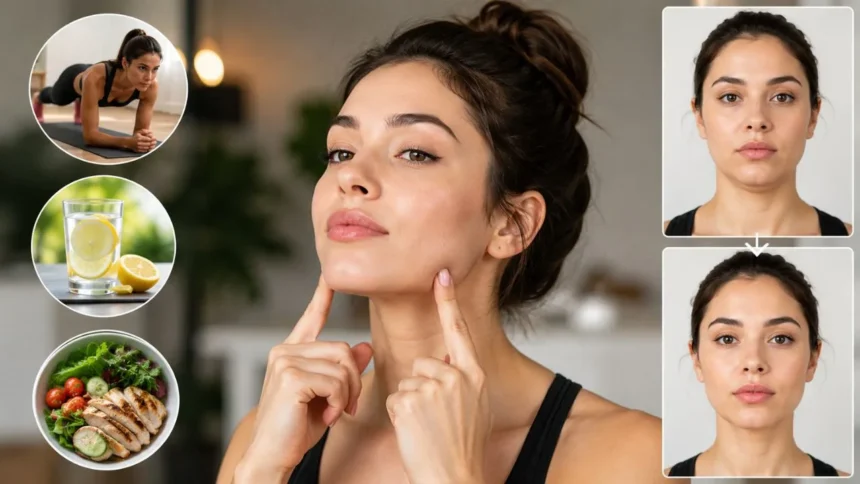
A fuller face can be influenced by body fat, genetics, facial structure, fluid retention, sleep, diet, and lifestyle habits. If your goal is to make your face look leaner, the most effective approach is usually reducing overall body fat gradually rather than trying to burn fat from one specific area. Sustainable habits generally produce better results than extreme dieting or quick-fix methods.
It is also important to separate facial fat from temporary puffiness. A salty meal, alcohol, poor sleep, dehydration, or hormonal changes can temporarily make the face appear more swollen even when body fat has not changed. Improving these factors may make your face look less puffy quickly, while actual fat loss usually takes longer and requires consistent changes.
This guide explains how to lose face fat using practical strategies that support overall weight management and health. The tips include nutrition, exercise, sleep, hydration, and everyday habits that can influence both body composition and facial appearance. Results vary from person to person because genetics largely determine where the body stores and loses fat first.
Why Does Your Face Look Fuller?
Facial fullness is not always caused by excess body fat. Genetics strongly influence facial shape, cheek size, jawline definition, and where your body naturally stores fat. Some people have rounder faces even at a healthy body weight, while others develop a more angular appearance easily. Bone structure also plays an important role in how lean or full your face looks.
Weight gain can increase fat beneath the skin of the cheeks, jawline, and neck, making facial features appear softer. When overall body fat decreases, some people notice significant changes in their face relatively early, while others lose facial fat later. There is no reliable way to control exactly which body area becomes leaner first during weight loss.
Fluid retention can create a similar appearance without involving additional fat. High sodium intake, alcohol, poor sleep, certain medications, and hormonal changes can temporarily increase facial puffiness. Because fat and fluid retention require different approaches, understanding the likely cause helps you choose realistic strategies instead of following unnecessary or overly restrictive diets.
Can You Specifically Target Face Fat?
Spot reduction is the idea that exercising one body area causes fat to disappear from that same location. Unfortunately, the body does not normally burn stored fat according to which muscles you exercise. Performing facial exercises may work certain muscles, but it does not guarantee that fat covering those muscles will be specifically used for energy.
When you maintain an appropriate calorie deficit, your body draws energy from stored tissue throughout the body. Genetics, hormones, age, and sex influence where noticeable fat loss occurs first. This is why two people following similar weight-loss programs can experience very different changes in their cheeks, waist, hips, arms, or neck.
The practical solution is to focus on healthy overall fat loss while managing habits that contribute to facial puffiness. Regular exercise, balanced nutrition, adequate sleep, and consistent hydration support this process. Instead of judging progress only by your face, monitor broader indicators such as energy levels, fitness, measurements, clothing fit, and sustainable changes in body weight.
1. Create a Sustainable Calorie Deficit
Fat loss generally requires consuming less energy than your body uses over time. This does not mean eating as little as possible or skipping entire meals. A moderate calorie deficit is usually easier to sustain because you can continue eating satisfying meals while gradually reducing stored body fat, including fat that may contribute to facial fullness.
Focus on portions and food quality rather than attempting an extremely restrictive diet. Meals built around vegetables, fruit, lean protein, whole grains, legumes, and other minimally processed foods can be filling without requiring excessive calories. Small changes such as reducing oversized portions or frequent high-calorie snacks may create meaningful progress without making everyday eating miserable.
Rapid weight-loss approaches can be difficult to maintain and may lead to fatigue, hunger, and loss of lean tissue. Instead, choose habits you could realistically continue for months rather than days. Gradual weight management allows your body and routines to adapt, making it easier to maintain results once you reach a comfortable and healthy weight.
2. Eat More Protein and Fiber
Protein can help make meals more satisfying while supporting muscle maintenance during weight loss. Useful sources include eggs, fish, poultry, yogurt, beans, lentils, tofu, and other foods that fit your eating preferences. Including a protein source at meals may reduce the urge to snack constantly and can make a moderate calorie deficit easier to maintain.
Fiber also supports fullness because many fiber-rich foods take longer to eat and digest. Vegetables, fruit, beans, whole grains, seeds, and legumes can add volume to meals without relying entirely on highly calorie-dense ingredients. Increasing fiber gradually is usually more comfortable, especially if your current diet contains relatively little, and drinking enough fluid is also important.
Combining protein and fiber can create particularly satisfying meals. For example, vegetables with grilled chicken, lentils with whole grains, or yogurt with fruit can provide balanced nutrition while supporting appetite control. There is no special food that directly burns facial fat, but a filling eating pattern can make overall fat loss easier to sustain.
3. Reduce Sugary and Highly Processed Foods
Sugary drinks, pastries, candy, fast food, and highly processed snacks can add substantial calories without keeping you satisfied for very long. Consuming these foods occasionally is not a problem for most people, but frequent intake can make maintaining a calorie deficit more difficult. Reducing them may support gradual body fat loss without requiring complicated dieting rules.
Start with the easiest high-calorie items to replace. Water instead of sugary beverages, fruit instead of frequent sweets, or a balanced meal instead of regular fast food can reduce overall energy intake. You do not need to remove every favorite food. A flexible eating pattern is generally easier to maintain than a strict plan that labels common foods as completely forbidden.
Pay attention to liquid calories in particular because they can accumulate quickly. Sweetened coffee, soda, energy drinks, and some specialty beverages may provide significant energy without producing the same fullness as solid food. Choosing lower-calorie drinks most of the time can support your weight-management goals while still leaving room for occasional treats you genuinely enjoy.
4. Stay Properly Hydrated
Drinking enough fluid supports normal bodily functions and can help you distinguish thirst from hunger. Water itself does not directly melt facial fat, but staying hydrated can support a healthy eating routine and physical activity. Some people also notice that their face looks less puffy when hydration is consistent, especially after periods of dehydration or high sodium intake.
Hydration needs vary depending on body size, activity, temperature, diet, pregnancy, and other factors. Instead of forcing an excessive amount of water, drink regularly throughout the day and pay attention to thirst. Foods such as fruit, vegetables, soups, and yogurt can also contribute to total fluid intake alongside water and other suitable beverages.
Be cautious with claims that drinking huge quantities of water will quickly slim your face. Excessive water intake can be harmful and provides no special fat-loss advantage. The goal is normal, consistent hydration rather than extremes. Pairing adequate fluids with balanced nutrition and regular exercise is far more useful than treating water as a stand-alone weight-loss solution.
5. Limit Excessive Alcohol Intake
Alcohol can affect facial appearance in several ways. Alcoholic drinks contain calories, and frequent consumption can make overall weight management more difficult when those calories are added on top of regular meals. Alcohol can also influence hydration and sleep, which may contribute to a more tired or puffy-looking face the following morning.
Drinking is often accompanied by salty snacks, restaurant meals, or late-night eating, adding even more calories and sodium. Reducing the frequency or quantity of alcohol can therefore improve several habits at the same time. Some people notice less morning puffiness after drinking less, although changes in actual facial fat still depend mainly on longer-term overall energy balance.
You do not need to rely on extreme detox plans after drinking. Returning to normal hydration, balanced meals, adequate sleep, and your regular exercise routine is more practical. If alcohol is becoming difficult to control or affecting daily life, professional support is more appropriate than treating the issue solely as a weight-management concern.
6. Add Regular Cardio Exercise
Cardiovascular exercise increases energy expenditure and supports heart and lung fitness. Walking, jogging, cycling, swimming, dancing, and similar activities can all contribute to a weight-management plan when performed consistently. You do not need the hardest possible workout to see benefits. An activity you enjoy enough to repeat regularly is usually the better long-term choice.
Beginners can start with brisk walking and gradually increase duration or pace as fitness improves. More experienced exercisers might include running, cycling, interval sessions, or other vigorous activities depending on their preferences. Combining everyday movement with structured workouts can increase total activity without requiring every exercise session to feel exhausting.
Cardio does not specifically burn fat from the cheeks, but it can contribute to overall fat loss when paired with appropriate nutrition. As total body fat decreases, facial changes may eventually become noticeable. The timing differs considerably between individuals, so avoid becoming discouraged if your waist or other areas change before your face does.
7. Include Strength Training
Strength training helps preserve and build muscle, making it an important part of a balanced fat-loss program. Exercises such as squats, rows, lunges, presses, push-ups, and resistance-band movements can train major muscle groups. Maintaining muscle is particularly useful during weight loss because the goal is generally to reduce unnecessary body fat while preserving useful lean tissue.
You can strength train at a gym or at home using bodyweight, resistance bands, dumbbells, or other suitable equipment. Beginners do not need complicated routines. A few full-body sessions per week can be enough to establish consistency, provided exercises are performed with appropriate technique and recovery between sessions.
Strength training will not directly reshape your cheeks, but improving overall body composition can influence your appearance over time. It also provides benefits beyond aesthetics, including stronger muscles and better physical function. Combining resistance training with cardio and sensible nutrition creates a more balanced approach than relying exclusively on long hours of aerobic exercise.
8. Prioritize Consistent Sleep
Sleep is often overlooked when people focus on losing face fat, yet it can influence appetite, energy, exercise performance, and daily food choices. When you are consistently tired, highly calorie-dense foods may become more tempting and planned workouts may feel harder to complete. Poor sleep can therefore make healthy weight-management habits more difficult to maintain.
Sleep deprivation can also contribute to a tired or puffy appearance for some people. A more consistent sleep schedule may improve how refreshed your face looks even before significant body fat changes occur. Aim for a routine that gives you sufficient rest and allows you to wake feeling reasonably restored rather than repeatedly relying on very short nights.
Improve sleep by maintaining regular bedtimes, reducing stimulating activities close to bedtime, and creating a comfortable sleeping environment. Caffeine late in the day can interfere with sleep for some people. If persistent insomnia, severe snoring, or excessive daytime sleepiness is affecting your life, consider discussing the problem with a qualified healthcare professional.
9. Watch Sodium if Your Face Looks Puffy
Sodium does not directly create body fat, but high-sodium meals can temporarily increase fluid retention in some people. Restaurant food, processed meats, instant noodles, salty snacks, sauces, and packaged foods can contain large amounts of sodium. If your face looks noticeably puffier after certain meals, your recent food choices may be contributing to water retention.
This does not mean salt must be eliminated completely. Sodium is an essential nutrient, and excessively restrictive diets are unnecessary for most healthy people. Instead, aim for a balanced eating pattern with plenty of minimally processed foods and moderate use of salty packaged products. Your individual medical needs may differ if a clinician has advised a specific sodium target.
Temporary fluid-related puffiness may improve faster than true facial fat because water balance can change within a relatively short period. That is why day-to-day facial appearance is not a reliable measure of fat loss. Look at longer-term trends rather than becoming concerned every time your face appears slightly fuller after a salty meal.
10. Stay Consistent Instead of Chasing Quick Fixes
Consistency is one of the most important factors in changing body composition. A healthy meal or one workout will not noticeably reduce facial fat, just as one indulgent meal will not ruin long-term progress. Results come from patterns repeated over weeks and months. Building simple habits generally works better than constantly switching between extreme plans and complete inactivity.
Choose a small number of behaviors you can maintain, such as regular walking, strength training, balanced meals, adequate sleep, and fewer sugary drinks. Once those habits feel normal, additional improvements become easier. Trying to overhaul every part of your lifestyle simultaneously can create unnecessary pressure and make the plan difficult to sustain.
Be patient with facial changes because genetics determine where fat is lost first. Your face may slim noticeably after modest overall fat loss, or changes may appear much later. Avoid comparing your timeline with edited social media images or other people’s results. Sustainable progress should support your health and daily life rather than becoming an obsession with one facial feature.
Do Facial Exercises Actually Burn Face Fat?
Facial exercises are often promoted as a way to reduce cheek fat or create a sharper jawline. These movements may engage facial muscles, but evidence that they specifically reduce the layer of fat covering those muscles is limited. Working a muscle does not force the body to use nearby fat for energy, so facial exercises should not replace overall weight-management strategies.
Some people enjoy facial movements because they create a feeling of muscle engagement or relaxation. If performed gently and comfortably, they can be treated as an optional activity rather than a proven fat-loss technique. Be cautious with programs claiming dramatic facial slimming within a few days because rapid changes are more likely related to lighting, posture, fluid balance, or presentation.
You also do not need expensive facial devices, jaw exercisers, or unusual chewing routines to lose face fat. Aggressive jaw training may cause discomfort for some people, especially those with existing jaw problems. If your main goal is reducing facial fat, nutrition, physical activity, sleep, and overall weight management remain more relevant areas to prioritize.
How to Tell Face Fat From Facial Bloating
Facial fat generally changes gradually, while bloating or fluid retention can change more noticeably from one day to the next. If your face looks significantly fuller in the morning after a salty dinner, poor sleep, or alcohol, temporary fluid retention may be contributing. True fat gain does not normally appear or disappear within a single night.
Look at patterns rather than one photograph. If facial fullness remains relatively stable over many weeks and changes alongside overall body weight, stored fat may be a larger factor. If appearance fluctuates frequently despite stable weight, sleep, sodium, hydration, hormones, or other temporary influences may explain some of the difference.
Lighting and camera position can also dramatically change how your face appears. Wide-angle phone cameras, low angles, and harsh lighting can make features look different without any physical change. When tracking progress, use similar lighting, distance, and positioning. This reduces the chance of mistaking photography differences for actual changes in facial fat.
How to Track Face Fat Loss Progress
Body weight can provide useful information when viewed as a trend rather than a daily judgment. Weight naturally fluctuates because of food, fluid, digestion, and other factors. If you choose to weigh yourself, compare averages over time instead of reacting strongly to individual readings. This provides a clearer picture of whether your overall weight-management plan is working.
Progress photographs can help reveal gradual facial changes that are difficult to notice in the mirror each day. Take photos under similar conditions, including lighting, camera distance, head position, and time of day. Comparing images several weeks apart is generally more meaningful than taking daily photographs and searching for tiny differences.
You can also monitor waist measurements, clothing fit, fitness, strength, and energy levels. These indicators prevent your entire definition of progress from depending on your face. If your health, body composition, and physical performance are improving, your plan may be working even when changes in facial appearance are slower than you hoped.
Common Mistakes When Trying to Lose Face Fat
Crash dieting is one of the most common mistakes. Severely restricting food may produce rapid scale changes, but it can also increase hunger, reduce energy, and make weight regain more likely. Extremely low-calorie plans can be especially risky without professional supervision. A moderate and sustainable approach is generally more appropriate for long-term body fat reduction.
Another mistake is relying on products that promise immediate facial slimming. Creams, supplements, sweating devices, and detox drinks cannot selectively remove stored facial fat. Some methods may temporarily change water levels or skin appearance, creating the illusion of rapid results. Be skeptical of dramatic before-and-after claims that do not explain the actual mechanism or long-term outcome.
People also become discouraged when they compare themselves with someone whose genetics produce a naturally sharper jawline. Facial structure varies significantly even at similar body fat levels. Focus on improving habits you can control instead of trying to copy another person’s facial proportions. Healthy progress does not require your face to match a particular online beauty standard.
How Long Does It Take to Notice a Slimmer Face?
There is no universal timeline for losing face fat. Some people notice facial changes relatively early during gradual weight loss, while others see changes in the abdomen, hips, or other areas first. Genetics largely influence the order in which visible fat reduction occurs. This makes exact promises such as “lose face fat in seven days” unrealistic.
Temporary facial puffiness may change more quickly. Improving sleep, reducing excessive alcohol, moderating very salty meals, and maintaining normal hydration can sometimes make facial appearance look less swollen within a shorter period. However, these changes should not be confused with a large reduction in stored facial fat.
Judge progress over several weeks or months rather than several days. A sustainable weight-management plan should be something you can continue without constant hunger, exhaustion, or social isolation. Faster is not automatically better. Long-term results depend more on maintaining healthy habits than reaching the lowest possible body weight within the shortest period.
How to Maintain a Leaner Facial Appearance
Maintaining results generally requires continuing many of the habits that helped you lose weight. If you return completely to the eating and activity patterns that previously caused weight gain, body fat can gradually increase again. Maintenance does not require permanent dieting, but it does require balancing energy intake with your usual activity level over time.
Continue exercising regularly and eating meals that provide protein, fiber, and satisfying portions. Enjoying occasional restaurant meals or desserts does not prevent maintenance when your broader routine remains balanced. Flexibility can actually make healthy habits easier to continue because you do not feel forced to choose between perfection and completely abandoning your routine.
Keep sleep, hydration, and alcohol habits in mind if facial puffiness bothers you. These factors can change how your face looks even when body weight is stable. Instead of constantly trying to make your face look as lean as possible, aim for habits that support your energy, health, confidence, and ability to maintain a comfortable body weight.
When Facial Swelling May Need Medical Attention
Not every change in facial size is related to body fat or ordinary fluid retention. Sudden or significant swelling can sometimes have medical causes, especially when it appears rapidly or affects only part of the face. Allergic reactions, infections, dental problems, injuries, and certain medical conditions can all potentially cause facial swelling that should not be treated as a weight-loss issue.
Seek urgent medical care if facial swelling is accompanied by difficulty breathing, swelling of the tongue or throat, severe allergic symptoms, or other signs of a medical emergency. Rapid unexplained swelling, severe pain, fever, or persistent one-sided swelling also deserves appropriate evaluation. Diet and exercise advice should not delay necessary medical attention.
Certain medications and medical conditions can also influence weight, fluid retention, or facial appearance. If your face has changed significantly without an obvious reason, speak with a qualified healthcare professional rather than assuming you need to lose weight. Identifying the underlying cause is more important than trying to change your appearance through increasingly restrictive diets.
Conclusion
Learning how to lose face fat begins with understanding that the body cannot reliably be forced to burn fat from one specific area. The most effective approach is gradual overall fat loss supported by balanced nutrition, physical activity, sleep, and sustainable lifestyle habits. Facial changes will occur according to your individual genetics and body composition rather than a guaranteed schedule.
You can also reduce factors that contribute to temporary puffiness by maintaining normal hydration, moderating very salty foods and excessive alcohol, and getting sufficient sleep. These habits may improve facial appearance even before major weight changes occur. Avoid crash diets, unproven supplements, and facial-slimming products that promise dramatic results without addressing overall body fat.
Focus on health and consistency rather than trying to achieve an unrealistic facial shape. A naturally round face can still be completely healthy, and bone structure cannot be changed through dieting. Build habits that improve your strength, energy, fitness, and overall well-being, and allow changes in facial appearance to occur gradually as part of broader progress.
Can you lose face fat in one week?
Significant facial fat loss in one week is unlikely. You may notice less puffiness from improved sleep, hydration, or lower alcohol and sodium intake, but actual fat loss usually requires consistent habits over a longer period.
Does drinking water reduce face fat?
Water does not directly burn facial fat. Staying appropriately hydrated can support overall health and may reduce dehydration-related puffiness, but meaningful facial fat loss depends primarily on overall body fat reduction.
Do facial exercises make your face slimmer?
Facial exercises may activate facial muscles, but they have not been shown to reliably target and remove facial fat. Overall nutrition, physical activity, and sustainable weight management are more relevant for fat loss.
Why is my face fat even though I am slim?
Genetics and bone structure strongly influence facial shape and fat distribution. Some naturally lean people still have fuller cheeks, and having a rounder face does not automatically mean you have excess body fat.
What foods should I avoid to reduce facial puffiness?
You do not need to completely avoid specific foods. However, very salty processed foods and excessive alcohol may increase temporary puffiness in some people, so moderating them can help if you notice a consistent pattern.