
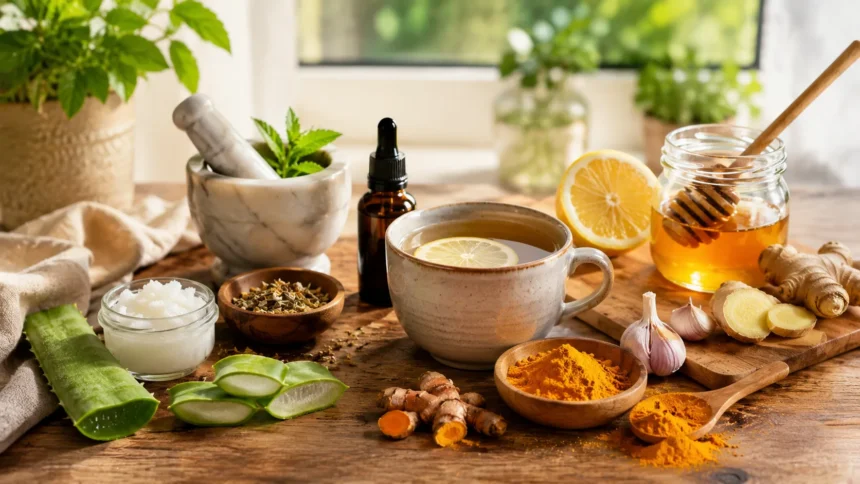
Lemon Balm Tea: Benefits, Uses and Side Effects
Lemon balm tea is an herbal infusion made from the leaves of Melissa officinalis, a lemon-scented plant belonging to the mint family. Despite its name and citrus-like aroma, lemon balm is not made from lemons and does not naturally contain lemon juice. The fresh or dried leaves are steeped in hot water to create a mild, slightly sweet herbal tea that is naturally caffeine-free. Lemon balm has a long history of traditional use for relaxation, sleep, and minor digestive discomfort. Today, it is available as loose dried leaves, tea bags, extracts, capsules, tinctures, and combination herbal products marketed for stress and nighttime relaxation.
The leaves contain several naturally occurring plant compounds, including rosmarinic acid, flavonoids, and aromatic oils that contribute to lemon balm’s scent and biological activity. Researchers have studied these compounds for possible effects on the nervous system, inflammation, oxidative stress, and digestive function. However, an ingredient showing biological activity in laboratory research does not automatically mean a cup of lemon balm tea will produce a strong medical effect. Tea is generally much less concentrated than extracts used in many clinical studies. This distinction is important when evaluating online claims about lemon balm benefits, because research using standardized extracts cannot always be applied directly to a homemade herbal infusion.
The European Medicines Agency recognizes melissa leaf as a traditional herbal medicinal product for relieving mild symptoms of mental stress, supporting sleep, and easing minor digestive complaints such as bloating and flatulence. However, the EMA classification is based largely on long-standing traditional use rather than strong evidence from large modern clinical trials. Its assessment notes that some small studies have suggested possible benefits, but methodological limitations prevent firm conclusions. This means lemon balm tea has reasonable traditional uses, but it should not be presented as a proven treatment for anxiety disorders, chronic insomnia, irritable bowel syndrome, depression, or other diagnosed medical conditions.
One reason lemon balm tea remains popular is that it offers a simple caffeine-free beverage for people who want something warm in the evening. Coffee, black tea, green tea, and energy drinks contain caffeine, which can interfere with sleep in susceptible individuals when consumed too late in the day. Replacing a late-night caffeinated drink with lemon balm tea may therefore support a calmer routine even if the herb itself produces only a modest effect. The act of preparing tea, reducing screen exposure, and sitting quietly can also contribute to relaxation. In other words, some benefits may come from both the plant and the healthy routine surrounding its use.
Lemon balm tea is generally best viewed as a mild herbal beverage rather than a powerful natural medicine. Many healthy adults can include it occasionally or regularly when they enjoy the flavor and tolerate it well. Its strongest traditional uses involve mild stress, occasional sleep difficulty, and minor digestive discomfort rather than serious medical conditions. People should also remember that herbal products vary in strength depending on the amount of leaf, preparation method, growing conditions, and product quality. Understanding these limitations allows lemon balm to be used sensibly without exaggerating what a simple cup of herbal tea can realistically accomplish.
Potential Benefits of Lemon Balm Tea
One of the most frequently discussed lemon balm tea benefits is its potential to promote relaxation during mild periods of stress. Traditional European herbal medicine has used melissa leaf for this purpose for decades, and the EMA considers the use plausible based on long-standing experience. Some clinical research using lemon balm preparations has also reported improvements in measures of anxiety or mood, although studies have often been small and have used different formulations and doses. A systematic review and meta-analysis found promising reductions in anxiety and depressive symptoms but emphasized substantial differences between studies and the need for cautious interpretation.
Sleep support is another commonly promoted use, especially when lemon balm is consumed as an evening tea. The EMA includes helping with sleep among the traditional uses of melissa leaf, although the evidence supporting this recommendation does not meet the standard required to establish a strong clinical treatment effect. Some research has tested lemon balm alone, while other studies have combined it with herbs such as valerian, making it difficult to determine how much benefit comes specifically from lemon balm. A caffeine-free evening beverage may nevertheless be useful for people experiencing occasional difficulty unwinding. Persistent insomnia, however, requires a broader evaluation of sleep habits and possible medical causes.
Lemon balm has also been traditionally used for mild digestive symptoms, particularly bloating and excess intestinal gas. The EMA recognizes symptomatic treatment of minor gastrointestinal complaints such as flatulence as one of its traditional indications. Researchers have proposed that aromatic plant compounds may influence smooth muscle activity and digestive comfort, although rigorous clinical evidence specifically evaluating lemon balm tea remains limited. Drinking a warm beverage after a meal may itself feel soothing, especially when symptoms are mild. Significant abdominal pain, repeated vomiting, gastrointestinal bleeding, or persistent bloating should not be managed indefinitely with herbal tea.
Researchers have investigated lemon balm for several other possible effects, including cognition, attention, agitation, metabolic health, and antioxidant activity. Some small studies involving extracts have produced interesting findings, but these areas remain less established than the traditional uses for stress, sleep, and digestive comfort. Results can also vary according to the chemical composition and concentration of the extract. A commercial capsule containing a standardized amount of rosmarinic acid is not nutritionally equivalent to a lightly brewed tea. People should therefore be cautious when a website takes research involving a concentrated extract and markets ordinary lemon balm tea as if it provides the same clinical dose.
The most realistic health benefit may simply be that lemon balm tea can replace less suitable beverages in a person’s routine. An unsweetened cup contains little or no meaningful calories, no caffeine, and does not require added sugar to be enjoyable. Choosing it instead of a sugary drink or late-evening coffee can indirectly support better dietary and sleep habits. Those advantages are practical even without assuming dramatic medicinal effects. Lemon balm tea can therefore be a useful addition to a healthy lifestyle while remaining only one small part of a much larger approach involving nutrition, sleep, stress management, physical activity, and appropriate healthcare.
Can Lemon Balm Tea Help With Stress and Anxiety?
Lemon balm has attracted considerable attention for stress and anxiety because several of its plant compounds may influence pathways involved in nervous-system signaling. Laboratory research has examined interactions with gamma-aminobutyric acid, commonly known as GABA, an inhibitory neurotransmitter involved in calming nervous-system activity. This biological mechanism is one reason lemon balm is frequently included in relaxation supplements and nighttime herbal products. However, identifying a possible mechanism is not the same as proving that drinking tea reliably treats an anxiety disorder. The amount of active compounds reaching the body from tea can also differ substantially from concentrations delivered through standardized extracts used in research.
Clinical evidence is promising but still limited. A systematic review and meta-analysis of clinical trials found that lemon balm preparations were associated with improved anxiety and depressive symptom scores compared with control treatments in the studies analyzed. However, the authors emphasized that the number of trials was small and that there was considerable heterogeneity between study methods and populations. These limitations make it difficult to determine the ideal dose, preparation, or duration. They also mean lemon balm should be described as a potentially calming herb rather than a proven replacement for psychotherapy or medication.
For ordinary everyday stress, drinking lemon balm tea may be reasonable when symptoms are mild and temporary. Someone feeling mentally overstimulated after work may find that a caffeine-free herbal drink combined with quiet breathing or reading creates a useful transition into the evening. The ritual can encourage people to slow down and temporarily step away from email, work, social media, or other stressors. This behavioral component should not be underestimated because relaxation practices often work through multiple pathways. Lemon balm may contribute to the experience, but the environment and routine surrounding the tea can be equally important.
Anxiety that frequently interferes with work, relationships, sleep, eating, or normal daily activities requires more than an herbal beverage. Generalized anxiety disorder, panic disorder, obsessive-compulsive symptoms, trauma-related conditions, and depression are medical or psychological conditions with evidence-based treatments. Lemon balm tea may be used as a complementary beverage if it is safe for the individual, but it should not become a reason to postpone professional care. Severe anxiety can also occur because of thyroid problems, medications, stimulant use, sleep deprivation, and other medical issues. Identifying the underlying cause provides much more value than repeatedly increasing the strength of herbal tea.
People should also avoid assuming that feeling sleepy after lemon balm means the underlying cause of anxiety has been corrected. Sedation can temporarily reduce awareness of stress without addressing the patterns driving chronic anxiety. Long-term improvement often involves appropriate sleep, exercise, reduced stimulant intake, healthy coping strategies, psychological support, or medical treatment depending on severity. Lemon balm is best positioned as a mild supportive option within that larger framework. If anxiety is worsening or lasts for weeks despite self-care, speaking with a qualified healthcare professional is more appropriate than relying on increasingly concentrated lemon balm products.
Can Lemon Balm Tea Help You Sleep?
Lemon balm tea is commonly consumed before bed because of its traditional reputation as a calming herb. The EMA recognizes melissa leaf as a traditional herbal product that may help relieve mild mental stress and aid sleep in adults and adolescents older than twelve. Importantly, this conclusion is based mainly on long-standing use rather than strong clinical evidence from large randomized trials. Some small studies suggest potential improvements in sleep-related symptoms, but limitations in study design make firm conclusions difficult. Lemon balm should therefore be seen as a possible aid for occasional sleeplessness rather than an established treatment for chronic insomnia.
One advantage of lemon balm tea is that it contains no caffeine naturally. People who regularly drink coffee, black tea, cola, or energy drinks in the evening may improve sleep simply by replacing those beverages with a caffeine-free alternative. Caffeine can remain active in the body for several hours and may make it harder for susceptible people to fall asleep or stay asleep. A warm herbal drink can also become a consistent cue that bedtime is approaching. Establishing predictable cues is often useful because the brain responds well to repeated sleep routines involving lower stimulation and regular timing.
For the best chance of benefiting, lemon balm tea should be combined with basic sleep hygiene rather than treated as a standalone sleep medication. Keep wake and bedtime reasonably consistent, reduce bright screen exposure before bed, and create a dark, quiet sleeping environment when possible. Avoid using the bed as a workspace or spending long periods scrolling through stimulating content immediately before trying to sleep. Large meals, alcohol, and caffeine late in the evening can also disrupt sleep even when herbal tea is added afterward. A calming beverage works best when the rest of the sleep routine supports the same goal.
People sometimes combine lemon balm with valerian, passionflower, lavender, chamomile, or other herbs promoted for sleep. Combination herbal teas can feel relaxing, but adding multiple sedating ingredients also makes it harder to know what is producing an effect or side effect. The EMA recognizes certain traditional herbal combinations for mild stress and sleep, but the evidence is still based primarily on long-standing use rather than strong clinical trials. Combining herbal sedatives with alcohol, sleep medication, or other medicines that cause drowsiness may increase impairment. A pharmacist or clinician can help review combinations when medication is involved.
Chronic insomnia should not be treated indefinitely by increasing herbal tea intake. Persistent difficulty sleeping can be related to anxiety, depression, sleep apnea, restless legs syndrome, chronic pain, medications, shift work, or another condition requiring specific treatment. Cognitive behavioral therapy for insomnia and other evidence-based approaches may provide much more durable improvement. If sleep problems last several weeks, cause severe daytime fatigue, or occur with loud snoring and breathing pauses, medical evaluation is appropriate. Lemon balm tea may still remain part of a bedtime routine, but it should not hide symptoms of an untreated sleep disorder.
Lemon Balm Tea for Digestion and Bloating
Lemon balm has traditionally been used for mild gastrointestinal complaints including bloating and flatulence, and this use is recognized by the European Medicines Agency on the basis of long-standing herbal practice. Aromatic herbs have historically been consumed after meals because they may help some people feel more comfortable when digestion produces mild fullness or gas. Lemon balm’s gentle citrus-mint flavor also makes it easier to drink without adding sugar. However, scientific evidence specifically proving that lemon balm tea treats digestive disease remains limited. It should therefore be used for mild temporary discomfort rather than as a substitute for diagnosis.
A warm drink itself can provide comfort when someone feels mildly bloated after eating. Sipping slowly may encourage relaxation, and replacing carbonated drinks with still herbal tea can reduce the additional swallowed gas associated with fizzy beverages. Lemon balm is naturally caffeine-free, which may also be useful for people whose digestive symptoms worsen after coffee. The potential herbal effect and the beverage-related effect can occur together. This makes it difficult to separate exactly how much relief comes from lemon balm compounds compared with warmth, hydration, and simply avoiding a trigger beverage.
Bloating has many possible causes, which means lemon balm will not address every case. Large meals, constipation, lactose intolerance, irritable bowel syndrome, celiac disease, menstrual changes, certain medications, and fermentable carbohydrates can all contribute to abdominal fullness or gas. Someone who repeatedly experiences bloating should look for patterns involving food, bowel movements, timing, and other symptoms rather than assuming digestive weakness needs herbal treatment. Keeping a short symptom diary can sometimes reveal clear triggers. Persistent symptoms deserve clinical evaluation, particularly when they are new or progressively worsening.
Lemon balm tea should also not be used to suppress serious abdominal symptoms. Severe or localized pain, persistent vomiting, black or bloody stools, unexplained weight loss, fever, abdominal swelling, or inability to pass stool or gas require medical attention. These symptoms may indicate conditions that cannot be safely treated by tea or dietary experimentation. Repeatedly drinking stronger preparations because ordinary tea does not relieve significant pain can delay appropriate treatment. Home herbal remedies are most appropriate when symptoms are mild, familiar, short-lived, and improving rather than when they are severe or unexplained.
For occasional post-meal discomfort, a simple unsweetened lemon balm tea can be tried while also paying attention to meal size and eating habits. Eating slowly, avoiding excessive carbonation, staying gently active after meals, and identifying foods that consistently cause problems may offer more predictable relief. People with chronic gastrointestinal disorders should follow their existing medical or dietetic treatment rather than replacing it with herbal products. Lemon balm can be complementary when tolerated, but it is not a cure for reflux, ulcers, inflammatory bowel disease, or irritable bowel syndrome. Realistic expectations keep the beverage useful without turning normal digestive discomfort into an excuse for excessive supplementation.
How to Make Lemon Balm Tea at Home
Preparing lemon balm tea is simple and does not require expensive equipment or concentrated extracts. Fresh leaves can be gently rinsed and lightly crushed before steeping, while dried lemon balm is convenient and available year-round. A traditional herbal preparation described in the EMA monograph uses approximately 1.5 to 4.5 grams of dried comminuted leaf in about 150 milliliters of boiling water. Home tea does not need to be measured with medical precision for ordinary culinary use, but this range provides useful context. Starting with a mild infusion is generally more sensible than making an extremely concentrated brew.
For a simple cup, place roughly one to two teaspoons of dried lemon balm leaves in a mug and add freshly boiled water. Covering the cup while it steeps for approximately five to ten minutes can help retain aromatic compounds that would otherwise escape with steam. Strain the leaves before drinking and allow the tea to cool to a comfortable temperature. Fresh leaves can also be used, although a larger volume is usually needed because fresh plant material contains more water. The flavor should be gently lemony and herbal rather than intensely bitter or medicinal.
Lemon balm can be combined with other ingredients for flavor, but additions should be chosen thoughtfully. A slice of lemon, a little ginger, or a small amount of honey can change the taste without requiring heavily sweetened syrups. Honey should never be given to a baby younger than twelve months because of the risk of infant botulism. If the goal is an evening relaxation drink, combining lemon balm with caffeine-containing tea would defeat part of the purpose. Keeping the recipe simple also makes it easier to identify the cause if digestive discomfort, allergy, or another reaction develops.
People using packaged lemon balm tea should read the ingredient list because many products contain combinations of herbs rather than pure Melissa officinalis. A sleep blend might also contain valerian, passionflower, hops, or chamomile, potentially creating more noticeable drowsiness than lemon balm alone. Added flavorings and sweeteners can further change the nutritional and safety profile. The dose of lemon balm may not always be listed clearly when it appears inside a proprietary blend. Anyone trying the herb for the first time may find a single-ingredient tea easier to evaluate than a mixture containing several sedating botanicals.
Homemade tea should be prepared from lemon balm obtained from a reliable source rather than from an unidentified plant that merely smells citrus-like. People growing their own herbs should confirm the plant’s identity and avoid leaves that have been treated with inappropriate pesticides or chemicals. Dried products should be stored away from moisture and discarded if mold, unusual discoloration, or an off odor develops. Herbal tea is still a food product and requires ordinary food-safety habits. Good preparation improves both flavor and safety without needing elaborate wellness techniques or unusually high doses.
How Much Lemon Balm Tea Can You Drink?
There is no universally established medically necessary daily amount of lemon balm tea for healthy people because it is usually consumed as an herbal beverage rather than an essential nutrient. The EMA monograph describing traditional medicinal use lists 1.5 to 4.5 grams of dried leaf prepared in approximately 150 milliliters of boiling water, used one to three times daily for adults and adolescents over twelve. These quantities provide a reference for traditional herbal preparations rather than a requirement that everyone should drink three cups. A person who simply enjoys lemon balm tea can use a milder preparation according to taste and tolerance.
Starting with one cup is sensible when you have never used lemon balm before. This allows you to observe whether it causes unusual drowsiness, digestive symptoms, headache, dizziness, rash, or another unexpected reaction. If it is well tolerated, some adults may choose another cup later in the day according to the product directions. Drinking larger quantities does not necessarily produce stronger relaxation or greater health benefits. Herbal compounds can have dose-related effects, and exceeding traditional amounts provides little proven advantage while increasing uncertainty about safety.
Timing depends on why the tea is being used. Someone trying it for occasional stress may prefer a cup during the late afternoon, while a person using it as part of a nighttime routine may drink it before bed. Because lemon balm may cause drowsiness in some people, first-time users should avoid testing a strong preparation immediately before driving or performing safety-sensitive work. The EMA assessment notes that melissa preparations may impair the ability to drive or operate machinery in affected individuals. Paying attention to personal response is therefore more important than following another person’s schedule.
The EMA advises seeking professional advice when symptoms for which medicinal lemon balm is being used persist beyond approximately two weeks or worsen during use. This is a useful principle even for people using ordinary tea. Drinking lemon balm night after night for months while severe insomnia, persistent anxiety, or chronic abdominal symptoms remain unchanged can delay evaluation of the actual problem. A herbal remedy should provide supportive relief, not become an indefinite substitute for identifying why symptoms continue. Long-term everyday use also has less robust safety evidence than ordinary short-term consumption.
People who use lemon balm simply as a beverage do not necessarily need to count days strictly, but moderation remains reasonable. Rotate herbal drinks and maintain normal water intake rather than depending on large amounts of one herb throughout the day. Pregnant people, breastfeeding parents, children, and people taking medications require additional caution because safety information is more limited. Concentrated extracts, tinctures, and capsules also deliver different doses from tea and should not be treated as equivalent. The safest amount is ultimately influenced by the product, personal health, medications, and reason for using it.
Possible Side Effects of Lemon Balm Tea
Lemon balm has a long history of traditional use, and serious adverse effects have not been prominent in assessments of ordinary traditional preparations. The EMA reported that no specific side effects had been identified at the time of its formal herbal assessment, while also acknowledging that clinical safety data are limited. This does not mean side effects are impossible. Individual reactions can occur with virtually any herb, food, or medication. Tea also differs from standardized medical preparations, meaning product strength and purity can vary.
Drowsiness is one of the most relevant practical effects because lemon balm is used specifically for relaxation and sleep. Some people may feel calm without becoming sleepy, while others may experience enough sedation to affect concentration or reaction time. The EMA advises that affected individuals should avoid driving or operating machinery. Combining lemon balm with alcohol or several sedating herbs may increase this impairment, even though formal interaction studies are limited. People should therefore learn how they personally respond before using stronger preparations in situations requiring alertness.
Digestive side effects are also possible despite lemon balm’s traditional use for bloating. Herbal products can cause nausea, abdominal discomfort, loose stool, or other gastrointestinal symptoms in susceptible individuals. A stronger infusion may be more irritating than a mild tea, particularly when consumed on an empty stomach. If digestive symptoms consistently appear after drinking lemon balm, reducing the amount or stopping it is more sensible than assuming discomfort represents detoxification. There is no evidence-based reason to continue consuming an herb that repeatedly makes you feel unwell.
Allergic reactions are uncommon but possible because lemon balm belongs to the mint family and contains many plant proteins and aromatic compounds. Itching, rash, swelling, wheezing, or other symptoms developing shortly after tea consumption should be taken seriously. Mild skin symptoms warrant stopping the product and seeking advice if they continue, while breathing difficulty or swelling involving the mouth or throat requires urgent medical care. People with known allergies to related plants should introduce unfamiliar herbal products cautiously. “Natural” products can trigger genuine immune reactions just as ordinary foods and medicines can.
Product contamination creates another potential risk that is separate from the herb itself. Poor-quality herbal products can occasionally contain incorrect plant species, pesticides, microbes, heavy metals, or undeclared ingredients. Purchasing tea from established manufacturers with clear labeling and quality controls can reduce these uncertainties. Herbal supplements and highly concentrated extracts deserve even greater scrutiny because they deliver larger amounts than ordinary tea. A simple single-ingredient tea from a trustworthy source usually provides a more predictable exposure than a proprietary supplement claiming to deliver extremely high-potency lemon balm.
Lemon Balm Tea and Medication Interactions
Formal data on lemon balm medication interactions are limited, and the EMA monograph states that adequate interaction data are not available. This uncertainty is important because websites sometimes provide long lists of definite interactions that are based mainly on theoretical mechanisms rather than established clinical evidence. The absence of proven interactions does not mean combinations are automatically safe. It simply means research has not clearly characterized many of them. People taking regular medicines should therefore use reasonable caution, particularly with concentrated lemon balm products.
Sedative medicines deserve particular attention because lemon balm itself may cause drowsiness. Combining it with prescription sleep medicines, anti-anxiety medicines, sedating antihistamines, opioid pain medications, or other substances that reduce alertness could theoretically increase sleepiness or impairment. Older EMA draft guidance advised caution with concurrent sedatives unless recommended by a doctor. Alcohol can create similar problems because it also impairs reaction time and judgment. A mild cup of tea is different from a concentrated extract, but anyone taking sedating medication should ask a pharmacist or clinician before routinely combining products.
People taking several medicines should be especially cautious with herbal supplements because plant compounds can theoretically alter drug absorption, metabolism, or physiological effects. This becomes more relevant as doses increase from culinary tea toward tinctures, capsules, essential oils, or concentrated extracts. A pharmacist can often identify whether a medicine has a narrow therapeutic range or whether sedation is already a concern. Bringing the exact product label is useful because “lemon balm supplement” can describe many different formulations. A combination formula may create interactions through another ingredient even if lemon balm itself has limited interaction data.
Concerns are sometimes raised online about lemon balm and thyroid function because laboratory research has examined possible effects of plant compounds on thyroid-related pathways. However, strong clinical evidence demonstrating that ordinary lemon balm tea significantly alters thyroid function in humans is lacking. People taking thyroid hormone or receiving treatment for a thyroid disorder should avoid assuming the herb is definitely safe or definitely harmful based on internet claims. Discussing regular concentrated use with the treating clinician is a reasonable precaution. This is especially important if symptoms or laboratory results change after starting an herbal product.
The safest general rule is that occasional weak tea has a lower exposure than concentrated medicinal products, but lower exposure does not eliminate every possibility of interaction. People taking important medications should not stop or change their prescriptions because they want to use lemon balm. Instead, ask a pharmacist whether the specific tea or supplement fits safely alongside the current treatment plan. This approach is particularly useful for people taking several medicines or treatments that affect alertness. Herbal tea can be enjoyable and supportive without becoming more important than essential evidence-based medication.
Pregnancy, Breastfeeding and Lemon Balm Tea
Pregnancy requires additional caution because there are not enough high-quality data to establish the safety of medicinal lemon balm preparations for pregnant people. The EMA states that safety during pregnancy has not been established and recommends avoiding medicinal use when adequate information is unavailable. This does not necessarily prove that an occasional weak cup is harmful, but it means strong claims that lemon balm is completely pregnancy-safe are not supported by sufficient evidence. Pregnant people should discuss regular herbal tea use with their obstetric healthcare professional, especially when the product contains additional herbs.
Breastfeeding evidence is also limited. A 2026 update from the Drugs and Lactation Database reported that there are no direct data measuring lemon balm components in human milk or establishing the safety and effectiveness of lemon balm alone in nursing mothers and infants. Small amounts used in food may present a different exposure from concentrated extracts, but absence of documented harm does not automatically establish safety. A breastfeeding parent who wants to consume lemon balm regularly should therefore consider discussing it with a clinician or pharmacist, particularly if the baby was premature or has medical problems.
Herbal tea marketed specifically for pregnancy or lactation should still be evaluated according to its actual ingredients. Products may contain several herbs, and safety data for one ingredient do not establish safety for the entire blend. Labels using terms such as natural, mother-friendly, nursing support, or traditional do not replace clinical evidence. Some breastfeeding teas are also marketed to increase milk supply despite limited or inconsistent evidence. The LactMed review notes that evidence supporting lemon balm as a galactagogue is weak and does not establish a reliable milk-supply effect.
Children require additional consideration because standardized safety information is limited for younger age groups. The EMA traditional-use recommendations for melissa leaf apply to adults and adolescents older than twelve and do not recommend medicinal use in children under twelve because adequate data are lacking. This does not mean lemon balm is inherently toxic to younger children, but it does mean parents should not automatically give adult-strength herbal preparations for sleep or anxiety. Pediatric sleep problems, recurrent abdominal complaints, or anxiety deserve age-appropriate assessment rather than routine herbal sedation.
The broader principle is that vulnerable populations deserve a higher safety standard. Pregnancy, breastfeeding, infancy, childhood, and serious chronic illness are situations where limited data matter more because potential consequences can be different from those in healthy adults. An herbal tea that is well tolerated by millions of adults can still lack enough research for these groups. When professional advice is available, it is more reliable than social media claims based on tradition alone. Lemon balm can remain part of a health-conscious lifestyle without assuming that every natural beverage is equally appropriate at every stage of life.
How to Choose a Good Lemon Balm Tea
The first thing to check is whether the product clearly lists Melissa officinalis as the ingredient. Botanical names are useful because common names can occasionally refer to different plants or appear in mixtures with other herbs. A single-ingredient lemon balm tea gives you better control over what you are consuming and makes reactions easier to identify. Combination teas can still be appropriate, but each additional ingredient has its own benefits, risks, and interaction considerations. Clear labeling is therefore more useful than vague marketing phrases such as calming botanical blend or nighttime wellness tea.
Look for tea from a manufacturer that provides basic information about ingredients, packaging, and quality rather than relying only on dramatic health promises. Claims that a tea cures anxiety, eliminates depression, reverses insomnia, detoxifies the liver, or balances hormones should raise skepticism. Lemon balm has plausible traditional benefits, but the available evidence does not support these kinds of sweeping medical promises. Responsible brands usually describe the product as herbal tea rather than implying that it can replace professional care. Marketing restraint can be a useful indicator of whether a company communicates honestly.
The condition of the leaves also matters because aromatic herbs gradually lose flavor and volatile compounds during prolonged storage. Dried lemon balm should smell fresh and mildly lemony rather than musty or moldy. Tea stored in damp conditions should be discarded because moisture encourages microbial growth. Keep dried herbs in an airtight container away from excessive heat, humidity, and direct sunlight. Fresh lemon balm from a garden should be correctly identified and washed before use, particularly if pesticides, pets, or soil contamination could be present.
When comparing tea bags with loose-leaf lemon balm, neither format is automatically healthier. Tea bags are convenient and provide relatively consistent portions, while loose leaves make it easier to adjust strength and inspect the plant material. The quality depends more on the source and freshness than on the packaging format. Some tea bags also contain several herbs even when lemon balm is the main ingredient, so labels still matter. People sensitive to sedative herbs may prefer pure lemon balm rather than blends containing valerian or passionflower.
Finally, avoid assuming that an expensive tea containing higher advertised levels of plant compounds will necessarily produce better health outcomes. No universally established therapeutic dose of lemon balm tea has been proven to treat stress, insomnia, or digestive disease. A moderate preparation that tastes pleasant and causes no side effects is usually more appropriate than chasing maximum potency. If stronger treatment is needed because symptoms are persistent or severe, the answer may be medical evaluation rather than stronger herbal products. Quality herbal use is about appropriate expectations as much as product purity.
Is Lemon Balm Tea Worth Drinking?
For many healthy adults, lemon balm tea can be a pleasant and reasonable caffeine-free herbal drink. Its traditional uses for mild stress, occasional sleep difficulty, bloating, and flatulence have been recognized by European herbal authorities based on long-standing experience. Small clinical studies and reviews provide some support for calming effects, particularly for anxiety-related symptoms, but the evidence remains limited and heterogeneous. The most accurate conclusion is therefore that lemon balm may help some people without being a guaranteed treatment.
Its greatest value may come from the combination of mild herbal effects and healthy routine changes. A warm caffeine-free beverage before bed can encourage people to reduce coffee intake, step away from work, and create a predictable relaxation ritual. After meals, the tea can replace carbonated or sugary drinks while providing a comfortable warm beverage. These practical advantages exist even when the herb’s pharmacological effect is small. Health benefits do not always need to be dramatic to make a dietary habit worthwhile.
At the same time, people should resist the temptation to use lemon balm for every symptom associated with stress. Persistent anxiety, depression, chronic insomnia, severe abdominal symptoms, and unexplained physical changes require proper assessment. Herbal tea can complement treatment when safe, but it should not become the only response to a condition that is getting worse. The EMA advises seeking professional care when symptoms being treated with medicinal lemon balm persist beyond about two weeks or worsen during use. This provides a useful limit for self-treatment.
Safety is also easier to maintain when lemon balm is consumed as a modest tea rather than as increasingly concentrated extracts. Strong tinctures and supplements can deliver larger quantities of active plant compounds and may be more likely to produce sedation or interactions. Pregnant people, breastfeeding parents, children, and people taking medications need additional caution because evidence is limited. Anyone experiencing an allergic reaction, severe dizziness, excessive sedation, or another unexpected symptom should stop the product and seek appropriate advice.
Ultimately, lemon balm tea deserves neither miracle status nor dismissal. It is a traditional herbal beverage with plausible calming, sleep-supporting, and digestive uses, supported by modest clinical evidence and a long history of consumption. The research is encouraging enough to justify interest but not strong enough to replace established treatment for medical conditions. Used moderately, it can fit comfortably into a healthy routine for many adults. The smartest approach is to enjoy the tea for its flavor and possible mild benefits while keeping expectations realistic and paying attention to safety.
Frequently Asked Questions About Lemon Balm Tea
What is lemon balm tea good for?
Lemon balm tea is traditionally used for mild stress, occasional sleep difficulty, bloating, and flatulence. The EMA recognizes these traditional uses, although stronger clinical evidence is still limited.
Does lemon balm tea make you sleepy?
It may have a mild calming or sedating effect in some people, which is why it is commonly consumed before bed. If it makes you drowsy, avoid driving or operating machinery until the effect has passed.
Can I drink lemon balm tea every day?
Many healthy adults can tolerate moderate amounts, but long-term safety data are less extensive than the herb’s history of traditional use. If you are using it medicinally for ongoing symptoms that persist beyond about two weeks, consider discussing the problem with a healthcare professional.
Is lemon balm tea safe during pregnancy?
Safety during pregnancy has not been adequately established, and the EMA does not recommend medicinal use during pregnancy when sufficient data are unavailable. Pregnant people should ask their healthcare professional before using lemon balm regularly or in concentrated forms.
Can lemon balm tea interact with medication?
Reliable interaction data are limited, but lemon balm may cause drowsiness, so caution is reasonable with medicines or substances that also cause sedation. If you take regular prescription medication, especially sedating medicines, ask a pharmacist or clinician before using lemon balm frequently.