
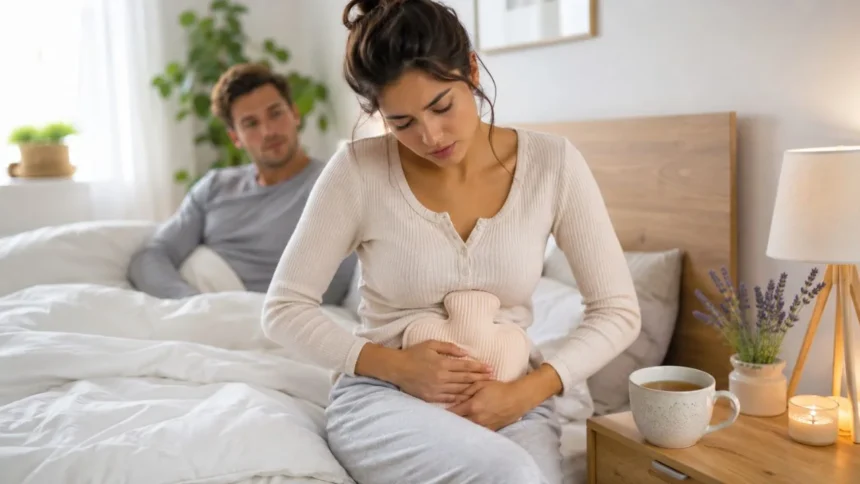
Why Do I Get Cramps After Sex? Causes, Relief, and When to Seek Help
Cramps after sex can feel confusing, especially when the sexual activity itself was comfortable and enjoyable. The discomfort may appear as a dull lower abdominal ache, tightening around the pelvis, period-like cramps or a deeper pressure that begins several minutes after sex. For some people, it happens occasionally, while others notice a recurring pattern.
Post-sex cramping can have several explanations. Temporary muscle contractions, deep penetration, menstrual-cycle changes and pelvic floor tension are common possibilities. However, recurring or severe pelvic pain after intercourse can also occur with endometriosis, pelvic infections, ovarian cysts and other conditions that deserve professional assessment.
The timing of the pain does not always reveal its cause. Muscles may remain tense until sexual activity has ended, and irritation from deeper pressure can become noticeable only when the body begins settling. Emotional stress and anticipation of pain can also contribute to involuntary muscle guarding without making the symptoms imaginary or unimportant.
This guide explains why cramps after sex happen, what they may feel like and how long they commonly last. It also explores natural relief strategies, mind-body pain patterns and warning signs that require medical care. The information is educational and should not replace individual advice from a qualified healthcare professional.
Key Takeaways
Mild cramps after sex can sometimes result from orgasm-related muscle contractions, deep penetration or temporary pelvic floor tension. They may settle within a few minutes or hours without treatment. An occasional mild episode is generally less concerning than pain that is severe, progressively worsening or occurring after most sexual activity.
The menstrual cycle can affect pelvic sensitivity. Ovulation, the days before a period and menstrual cramping may make the uterus, ovaries and surrounding muscles more sensitive to pressure. Tracking when postcoital cramping happens can reveal whether it follows a repeatable cycle-related pattern.
Recurring cramps may be associated with pelvic floor dysfunction, endometriosis or another chronic pelvic pain condition. Stress and anxiety can increase muscle bracing and nervous-system sensitivity, but they should not be used to dismiss possible physical causes. Several factors can exist together and may require a combined treatment approach.
Seek medical help for severe or one-sided pain, heavy bleeding, fever, unusual discharge, faintness, vomiting or symptoms that repeatedly interfere with intimacy. Pain combined with possible pregnancy, vaginal bleeding, shoulder-tip pain or dizziness needs prompt assessment because an ectopic pregnancy must be ruled out.
Is It Normal to Get Cramps After Sex?
An occasional mild cramp after sex can happen without indicating a serious health condition. Sexual arousal and orgasm involve changes in pelvic blood flow and contractions of muscles around the uterus, vagina and pelvic floor. These contractions may leave a temporary aching or tightening sensation once sexual activity ends.
Cramps are more likely to be considered within normal variation when they are mild, short-lived and not accompanied by other symptoms. They may occur after particularly intense sexual activity, deeper penetration or an orgasm. The discomfort should improve rather than continue growing stronger over the following hours.
Pain should not be treated as something you must tolerate simply because it happens during or after sex. Recurring discomfort can affect enjoyment, confidence, relationships and willingness to be intimate. Even when the cause is not dangerous, support may be available through a doctor, gynaecologist or pelvic health physiotherapist.
Consider arranging an assessment when cramps happen frequently, last for many hours or interfere with daily activities. Keeping a short symptom diary can help identify patterns involving sexual positions, orgasm, menstrual timing, bleeding, bladder symptoms and bowel changes. These details can make a medical conversation more useful and focused.
Why Do I Get Cramps After Sex? Common Causes
Cramps after intercourse may originate from the uterus, pelvic floor muscles, ovaries, bladder, bowel or surrounding tissues. The sensation can be difficult to locate accurately because several pelvic structures share nerve pathways. What feels like uterine cramping may therefore involve muscle tension or pressure elsewhere in the pelvis.
Temporary causes include deep penetration, vigorous movement and contractions associated with orgasm. Cycle-related changes may also make the pelvis more sensitive at particular times. These episodes commonly improve with rest, warmth and a reduction in the activity or position that triggers the discomfort.
Recurring pain can involve conditions such as endometriosis, ovarian cysts, fibroids, pelvic inflammatory disease or a urinary problem. Vaginal dryness, infections and tissue irritation may contribute, particularly when cramping occurs alongside burning, discharge, bleeding or pain during penetration.
More than one factor can be present. Endometriosis may create underlying pelvic sensitivity, while fear of a painful episode can cause the pelvic floor to tighten further. A careful evaluation looks at physical symptoms, menstrual patterns, emotional responses and previous experiences without assuming that one explanation accounts for everything.
Pelvic Floor Muscle Tension
The pelvic floor is a group of muscles supporting the bladder, bowel and reproductive organs. These muscles contract and relax during sexual activity. When they remain overactive or have difficulty releasing, they may create aching, pressure, spasms or lower abdominal cramps after sex.
Some people unconsciously tighten these muscles during penetration, particularly when they expect discomfort or feel rushed, unsafe or insufficiently aroused. The tightening may not cause immediate pain. Symptoms can become noticeable afterward when fatigued muscles begin aching or repeatedly contracting.
Pelvic floor tension may also be associated with constipation, painful periods, bladder urgency, lower back pain or difficulty using tampons. Some people experience pain during pelvic examinations or discomfort that continues after intercourse. These connected symptoms can help a clinician recognise a broader pelvic floor pattern.
Pelvic health physiotherapy can assess whether the muscles are tight, weak, poorly coordinated or affected by another condition. Treatment is individual and may include relaxation, breathing, movement and manual techniques. Repeated Kegel exercises are not automatically appropriate because strengthening already tense muscles may make discomfort worse.
Deep Penetration or Position-Related Pressure
Some sexual positions allow deeper penetration and place more pressure on the cervix, uterus or sensitive pelvic tissues. The activity may feel comfortable initially, especially during high arousal, but irritation can become noticeable afterward. This may produce deep aching or cramps rather than surface-level soreness.
The angle of penetration can matter as much as depth. Positions that bring the knees towards the chest or allow a partner to control the full movement may increase internal pressure. Changing the angle, slowing the pace or allowing the person receiving penetration to control depth can reduce symptoms.
Body position may also compress the abdomen, hips or lower back. Muscles surrounding the pelvis can tighten to stabilise an uncomfortable position, resulting in post-sex tension. Cushions and supportive positioning can reduce strain without removing intimacy or pleasure from the experience.
Pain from deeper pressure should usually improve when the triggering position is avoided. Persistent deep pain, particularly when combined with painful periods, bowel symptoms or pain at other times, should be assessed. Endometriosis, ovarian cysts, fibroids and pelvic inflammatory conditions can also cause deep discomfort.
Ovulation or Hormonal Changes
Ovulation occurs when an ovary releases an egg, usually around the middle of the menstrual cycle. Some people experience one-sided lower abdominal discomfort at this time. Sexual activity may make existing ovulation pain more noticeable because pressure and pelvic contractions affect an area that is already sensitive.
Ovulation discomfort can feel dull, sharp or cramp-like and may last from minutes to one or two days. It can alternate sides between cycles, although it does not always follow a predictable pattern. Mild symptoms that regularly occur around mid-cycle may reflect ordinary ovulation pain.
Hormonal changes can also affect vaginal lubrication and tissue sensitivity. When there is less natural lubrication, friction may cause the pelvic muscles to guard or tighten. Adequate arousal and a suitable lubricant may help when dryness contributes to discomfort, although recurring pain still deserves assessment.
Severe or persistent one-sided pain should not automatically be labelled ovulation pain. Ovarian cysts, infection, appendicitis and pregnancy-related complications can produce similar symptoms. Medical advice is particularly important when pain is sudden, intense or accompanied by bleeding, fever, nausea or dizziness.
Period-Related Sensitivity
The uterus naturally contracts during menstruation, and chemical changes involved in period pain can make the pelvis more sensitive. Sex shortly before or during a period may trigger stronger cramps in someone who already experiences dysmenorrhoea. The discomfort may resemble their usual menstrual pain.
Pelvic tissues can also feel heavier or more tender around this time. Deep penetration or orgasm-related contractions may intensify sensations that would otherwise remain mild. Some people find sex reduces period cramps, while others notice temporary worsening, so individual responses can differ considerably.
Tracking symptoms over two or three cycles can be useful. Record the date, position, pain intensity, duration and whether bleeding begins soon afterward. A clear pattern around menstruation may help guide adjustments and provide relevant information during a healthcare appointment.
Severe period pain, pain that becomes progressively worse or cramps affecting work and daily life should not be normalised. Endometriosis, adenomyosis and fibroids can cause painful periods and discomfort during or after sex. Early assessment may provide more options for symptom management.
Stress and Nervous System Tension
Stress activates protective responses in the nervous system and can increase muscle tension throughout the body. The jaw, shoulders, abdomen and pelvic floor may all tighten without conscious effort. During sex, this protective bracing can continue even when a person wants intimacy and feels emotionally connected to their partner.
Anxiety about pregnancy, pain, body image, performance or relationship concerns may make full physical relaxation difficult. The person may not experience pain during penetration because arousal temporarily changes their awareness. The muscular ache can appear afterward as the body moves out of the heightened state.
This does not mean post-sex cramps are “all in the mind.” Stress produces real changes in breathing, muscle activity, attention and pain processing. At the same time, physical conditions should be considered when pain is persistent, severe or associated with other pelvic symptoms.
A supportive approach may include slower pacing, communication, longer arousal, relaxation and professional help when needed. Trauma-informed therapy or psychosexual counselling can be useful when fear, previous unwanted experiences or relationship concerns contribute. Care should always respect consent, comfort and personal boundaries.
Endometriosis or Chronic Pelvic Pain Conditions
Endometriosis occurs when tissue similar to the uterine lining grows outside the uterus. It can cause pelvic pain, painful periods and pain during or after sex. Deeper penetration may place pressure on sensitive areas, while pelvic contractions can contribute to cramping after the activity ends.
Other chronic pelvic pain conditions can involve the bladder, bowel, nerves or pelvic floor. Conditions such as painful bladder syndrome, irritable bowel syndrome, vulvodynia and pudendal neuralgia may overlap. Symptoms can change over time and may not occur during every sexual experience.
Chronic pain can make the nervous system more protective and responsive to sensation. After repeated painful episodes, muscles may begin bracing before discomfort occurs. The resulting pain remains genuine even when an original injury, inflammation or disease does not fully explain its current intensity.
Recurring pain needs an individual assessment rather than repeated self-treatment. Management may involve medication, pelvic health physiotherapy, hormonal treatment, psychological support or specialist care. The goal is not merely to tolerate sex but to understand the pattern and support comfortable, consensual intimacy.
What Do Cramps After Sex Feel Like?
Post-sex cramps can feel similar to menstrual cramps, with a dull or squeezing sensation in the lower abdomen. Some people describe heaviness across the pelvis or a pulling feeling around the uterus. The discomfort may remain central or spread towards the lower back, hips or upper thighs.
Others experience sharper pain on one side, particularly around ovulation or when an ovary is sensitive. Sudden one-sided pain deserves closer attention when it is intense or unfamiliar. It should not automatically be assumed to be a normal response to sex.
Pelvic floor spasms may feel like internal tightening, throbbing or an inability to release the muscles around the vagina or anus. The sensation may come in waves and can be accompanied by bladder urgency or rectal pressure. Some people feel discomfort only when sitting or moving afterward.
The quality, location and timing of pain can provide clues but cannot confirm a diagnosis. Record whether symptoms are dull, sharp, burning, pressure-like or cramping. Also note bleeding, discharge, nausea, urinary changes and cycle timing, as these details can help a healthcare professional investigate possible causes.
How Long Do Cramps After Sex Usually Last?
Mild cramps related to temporary muscle contractions or position-related pressure may settle within a few minutes. Some episodes last an hour or two, particularly when the pelvic floor remains tense. Rest, warmth and relaxed breathing may help the body return to its usual state.
Cycle-related pain may last longer. Ovulation discomfort can continue for several hours or up to one or two days, while period-related cramps may remain until menstrual symptoms settle. Sex may make the existing discomfort more noticeable without being the sole cause.
Pain lasting throughout the day, returning repeatedly or continuing into the following day should be monitored carefully. Duration matters, but intensity and accompanying symptoms are equally important. Severe pain lasting twenty minutes can require more attention than a mild ache that gradually fades over several hours.
There is no single duration that proves whether cramps are harmless. A change from your normal pattern is important, especially when episodes become longer or more painful. Seek advice when symptoms repeatedly interfere with sleep, movement, work or willingness to engage in sexual activity.
When Should You Be Concerned About Cramps After Sex?
Arrange a medical appointment when cramps occur after most sexual activity, become progressively worse or last for many hours. Assessment is also recommended when pain occurs during periods, bowel movements, urination or at other times. These patterns may indicate a pelvic condition rather than temporary post-sex muscle contractions.
Contact a healthcare professional promptly if cramping is accompanied by fever, unusual vaginal discharge, pain when urinating or bleeding after sex. These symptoms may be associated with an infection, cervical irritation or another treatable condition. Sexually transmitted infections can sometimes cause few symptoms, so testing may be appropriate.
Seek urgent care for sudden severe pelvic pain, heavy bleeding, fainting, marked dizziness, persistent vomiting or a rigid and extremely tender abdomen. New intense one-sided pain can occur with conditions such as an ovarian cyst complication, appendicitis or ectopic pregnancy and should not be managed only at home.
When pregnancy is possible, take pelvic pain seriously if it occurs with vaginal bleeding, shoulder-tip pain, weakness or dizziness. An ectopic pregnancy can become life-threatening if it ruptures. Emergency symptoms require immediate care rather than waiting for a routine pregnancy test or appointment.
How to Relieve Cramps After Sex Naturally
Mild, occasional cramps may improve with simple measures that encourage the muscles and nervous system to settle. Stop any activity that increases pain and move into a comfortable resting position. Give the body time rather than trying to stretch aggressively or continue penetration through discomfort.
Slow breathing, gentle warmth and light movement can be helpful when symptoms appear muscular or cycle-related. These strategies do not treat infections, endometriosis or other underlying conditions. Their purpose is to support temporary comfort while you observe whether the episode resolves.
Consider what happened before the cramps appeared. Depth, pace, body position, emotional state, lubrication and cycle timing may all provide useful clues. Making one adjustment at a time can help identify what reduces discomfort without making intimacy feel like a medical test.
Natural relief should not delay professional care for recurring or severe pain. A clinician can assess for conditions requiring medical treatment, while a pelvic health physiotherapist can evaluate muscle function. You deserve support even when tests do not immediately reveal one simple cause.
Gentle Relaxation and Breathing
Lie in a supported position with the knees bent or resting over pillows. Allow the abdomen, jaw and shoulders to soften rather than forcing the pelvic muscles to relax. Comfort and a sense of safety are more important than holding a perfect posture.
Breathe slowly towards the lower ribs and abdomen. On the inhale, imagine the pelvic floor widening or dropping gently rather than pushing down. On the exhale, avoid squeezing the muscles and allow the body to release tension naturally.
Longer, quieter exhalations may help reduce the body’s protective arousal. Try breathing without counting when counting creates pressure. The aim is not to eliminate the cramps instantly but to give the nervous system repeated signals that it can move out of a guarded state.
Stop any exercise that makes symptoms stronger or creates dizziness. Breathing strategies may support muscle relaxation, but they cannot diagnose the cause. Persistent spasms, pain with penetration or difficulty relaxing the pelvic floor may benefit from assessment by a pelvic health physiotherapist.
Warm Compress or Gentle Heat
Apply a warm, not excessively hot, compress to the lower abdomen or lower back. Heat can provide comfort by relaxing surrounding muscles and changing how pain signals are experienced. A warm shower or bath may offer a similar soothing effect.
Place a layer of clothing or fabric between the heat source and your skin. Check the area regularly and avoid falling asleep with an electric heating pad switched on. People with reduced skin sensation should be especially careful to prevent burns.
Heat may be useful for period-related cramps, ovulation discomfort or muscular tension. It should help the pain feel more manageable rather than hide rapidly worsening symptoms. Remove it and seek advice when the discomfort continues to intensify.
Do not rely on heat for severe, unexplained abdominal pain, heavy bleeding, faintness or possible pregnancy complications. Comfort measures are suitable while arranging appropriate help, but they should never delay urgent evaluation when red flags are present.
Gentle Movement and Body Awareness
Remaining completely still can sometimes make muscle tension feel stronger. When the pain is mild, try a slow walk around the room or gently change position. Movement should feel easy and reassuring rather than forcing the hips or abdomen into a deep stretch.
Notice whether you are gripping the buttocks, holding your breath or tightening the lower abdomen. Letting these areas soften may reduce the overall bracing pattern. Avoid repeatedly checking the painful area by pressing deeply, as this may increase sensitivity and worry.
Before future sexual activity, explore positions that allow control over depth and speed. Pillows can support the hips, knees or lower back, while slower movement gives the body time to respond. Penetration does not need to continue when the body begins signalling discomfort.
Body awareness should be curious rather than self-critical. Pain is not evidence that you have failed to relax correctly. When multiple positions continue causing cramps, seek clinical advice instead of repeatedly modifying your behaviour around an undiagnosed condition.
Emotional and Stress Awareness
Consider whether the episode occurred during a period of unusual stress, fatigue or emotional pressure. These factors can reduce arousal, increase muscle guarding and make normal sensations feel more intense. Recognising the pattern is not the same as blaming yourself for the pain.
Communicate with your partner about pace, depth, comfort and the ability to stop. Consent should remain active throughout sexual activity, and neither person should feel pressure to continue. Feeling emotionally and physically safe can make muscular relaxation easier.
Allow intimacy to include forms of touch that do not involve penetration. Removing the expectation that sex must follow one specific pattern can reduce anticipatory tension. Pleasure, closeness and connection can continue while the cause of recurring cramps is being investigated.
Professional support may be helpful when anxiety, previous trauma or relationship stress contributes to symptoms. Psychosexual therapy and trauma-informed counselling can work alongside medical or physiotherapy care. A mind-body approach should expand treatment options, not replace appropriate physical assessment.
Why Recurring Cramps After Sex May Be a Mind-Body Pattern
Pain is produced through communication between the body, spinal cord and brain. When pelvic pain repeatedly occurs, the nervous system may become more watchful and protective. Sensations that were previously neutral can begin triggering muscle bracing or a stronger pain response.
The body may learn to anticipate discomfort after a previous painful sexual experience. Pelvic floor muscles can tighten before or during penetration, sometimes without conscious awareness. After sex, those muscles may remain activated and create cramping even when no new tissue damage has occurred.
This pattern does not mean the pain is imagined. Nervous-system sensitivity and muscle guarding are physical processes, and they can coexist with endometriosis, infection, hormonal changes or another condition. Effective care should examine both the original trigger and the factors that keep symptoms recurring.
Recovery may involve reducing fear, improving pelvic floor coordination and creating safer, more comfortable experiences. Medical care, physiotherapy and psychological support can complement one another. The aim is to help the nervous system become less protective while addressing any underlying health condition.
Real-Life Situations When People Experience Cramps After Sex
Someone may feel completely comfortable during sex but notice period-like cramps ten minutes later. The timing may relate to orgasm contractions or pelvic muscles that remained tense during penetration. When the discomfort is mild, brief and occasional, relaxation and monitoring may be enough.
Another person may notice deep cramps only in positions allowing greater penetration. Changing the angle and controlling depth may prevent the discomfort. If deep pain continues across different positions or occurs with painful periods, an assessment for conditions such as endometriosis may be appropriate.
Someone else may experience one-sided cramps after sex around the middle of each menstrual cycle. Tracking the symptoms could reveal a connection with ovulation. However, sudden severe pain, nausea or faintness should be assessed rather than assumed to be ordinary ovulation discomfort.
A person with previous painful experiences may begin bracing before penetration and cramp afterward, even with a supportive partner. Pelvic physiotherapy and trauma-informed care may help the body relearn safety and relaxation. The symptoms are real, and support should never depend on proving a purely physical or emotional cause.
FAQ
Why do I get cramps after sex even when it does not hurt during?
Arousal can temporarily reduce awareness of pressure or muscle tension. After sex, pelvic floor fatigue, orgasm-related contractions or irritation from deeper penetration may become more noticeable as the body settles.
Can stress cause cramps after sex?
Yes, stress can increase abdominal and pelvic floor tension, making post-sex cramping more likely. However, recurring pain should still be medically assessed because stress can coexist with a physical pelvic condition.
Can anxiety cause cramps after sex?
Anxiety can contribute through shallow breathing, involuntary muscle guarding and increased nervous-system sensitivity. This does not mean the cramps are imaginary, and persistent symptoms deserve physical as well as emotional assessment.
How can I prevent cramps after sex?
Use adequate lubrication, allow enough time for arousal and choose positions that let you control depth and speed. Relaxed breathing, communication and stopping when discomfort begins may also help prevent muscular guarding.
Why do I get cramps after sex but not during?
Pressure and muscle contractions can build during sexual activity without causing immediate symptoms. The ache may appear afterward when arousal decreases and the nervous system begins registering tension or irritation more clearly.
Does cramping after sex mean pregnancy?
Cramping after sex is not a reliable sign of pregnancy. Take a pregnancy test at the appropriate time, and seek urgent help for possible pregnancy combined with one-sided pain, bleeding, dizziness or shoulder-tip pain.
Conclusion
Cramps after sex can result from temporary pelvic contractions, muscle tension, deep penetration or cycle-related sensitivity. Mild episodes that settle quickly may not indicate a serious condition. Their timing, intensity, frequency and associated symptoms provide important context.
Recurring postcoital cramping should not be ignored or accepted as an unavoidable part of intimacy. Endometriosis, pelvic floor dysfunction, infections and other pelvic pain conditions can contribute. A qualified healthcare professional can help identify possibilities and recommend appropriate treatment.
Relaxation, gentle heat, supportive movement and emotional awareness may relieve mild symptoms. These measures work best as part of a broader understanding of the body rather than as substitutes for diagnosis. Pain that repeatedly affects sexual wellbeing deserves compassionate, individual care.
Seek urgent medical attention for severe pain, heavy bleeding, fainting, fever or possible pregnancy with concerning symptoms. For non-urgent recurring cramps, keep a symptom record and arrange an assessment. Understanding the pattern is the first step towards safer, more comfortable intimacy.