
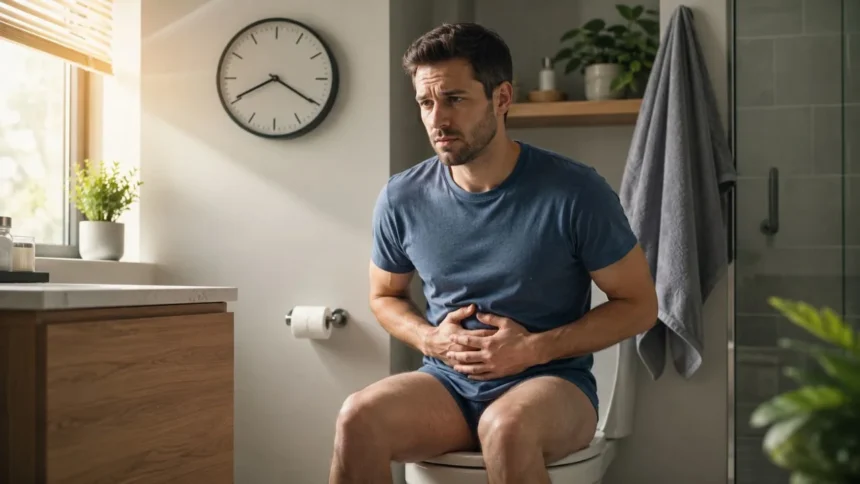
How Long Can You Go Without Pooping? Normal Limits and Warning Signs
Skipping a bowel movement for a day or two can feel uncomfortable, especially if you normally use the bathroom every morning. You may begin worrying that stool is building up or that something is wrong with your digestive system. However, healthy bowel habits vary considerably, and not everyone needs to poop every day.
Some people naturally have several bowel movements a day, while others comfortably go once every two or three days. Frequency alone does not determine whether you are constipated. Stool consistency, straining, pain, bloating, and whether you feel completely emptied are equally important.
There is no exact number of days that is safe for every person. Going several days without pooping may be normal for someone with a naturally slow but comfortable pattern, while two days may signal constipation for someone who usually goes twice daily. A sudden change from your normal schedule deserves more attention.
The greatest concern is not simply the calendar but the symptoms developing around the missed bowel movements. Severe abdominal pain, vomiting, marked swelling, inability to pass gas, blood in the stool, or rapidly worsening illness requires prompt medical assessment. This guide explains normal bowel frequency, safe relief options, and warning signs.
The Quick Answer: How Long Can You Go Without Pooping?
Many healthy adults have bowel movements anywhere from three times a day to three times a week. This means that going one or two days without pooping may still fall within a normal pattern. What matters is whether the stool remains soft, comfortable to pass, and consistent with your usual routine.
Constipation is commonly described as having fewer than three bowel movements in a week, but frequency is only one part of the definition. You may also be constipated when stool is dry or lumpy, passing it requires considerable straining, or you regularly feel that stool remains inside.
Going three or four days without a bowel movement is not automatically dangerous, especially if this is normal for you and you have no pain or swelling. However, it becomes more concerning when the delay is unusual, you feel increasingly uncomfortable, or simple measures have not helped.
If you have gone close to a week without pooping, particularly when that is not normal for you, contact a healthcare professional or pharmacist for advice. Seek urgent help sooner if you have severe pain, vomiting, a swollen abdomen, fever, rectal bleeding, or an inability to pass gas.
What Is a Normal Bowel Movement Schedule?
A normal schedule is one that is regular for your body and produces comfortable, well-formed stool. Some people go shortly after breakfast each day, while others have a bowel movement every other day. Both patterns can be healthy when they are not associated with pain, excessive straining, or hard stool.
Diet, fluid intake, physical activity, hormones, age, stress, travel, and medications can all change bowel frequency. Your routine may temporarily slow when you travel, become less active, eat differently, or ignore the urge to use the bathroom. A short-term change does not always mean that you have a digestive disease.
The appearance of the stool can provide useful information. Healthy stool is generally soft, formed, and relatively easy to pass. Separate hard pellets or a firm, lumpy stool often suggest that waste has remained in the colon longer and lost more water than usual.
You do not need to force yourself to poop every day to be healthy. Repeatedly using strong laxatives or enemas simply to achieve a daily bowel movement may cause unnecessary problems. The goal is a comfortable, sustainable pattern rather than matching someone else’s bathroom schedule.
Is Going Three Days Without Pooping Normal?
Three days without pooping can be normal for a person who regularly has only two or three bowel movements a week. If you feel comfortable, can pass gas, are eating normally, and eventually produce a soft stool without major straining, the timing alone is not usually alarming.
The same three-day gap may represent constipation when you normally go every day. You may notice bloating, abdominal pressure, hard stool, reduced appetite, or the repeated feeling that you need to go but cannot. These symptoms suggest that the change is more than a harmless variation.
Consider what has changed recently. A low-fiber diet, dehydration, travel, illness, reduced movement, stress, or a new medication may explain a temporary delay. Addressing the likely trigger early can prevent the stool from becoming harder and more difficult to pass.
Begin with gentle measures such as adequate fluids, regular meals, light activity, and responding promptly when you feel the urge. If you have significant discomfort, are pregnant, have a medical condition, or take several medications, ask a pharmacist or clinician before selecting a laxative.
Is Five Days Without Pooping Dangerous?
Going five days without a bowel movement does not always mean that an emergency is developing. However, it is long enough to pay close attention, particularly when your normal pattern is much more frequent. Stool generally becomes drier and harder the longer it remains in the colon.
At this point, you may experience increasing bloating, cramps, rectal pressure, loss of appetite, or difficulty passing even a small amount. Some people pass watery stool around retained hard stool and assume the constipation has resolved. This leakage can occasionally occur with fecal impaction.
Contact a pharmacist or healthcare professional when you have reached five days and home measures are not working. Earlier advice is appropriate if you are older, pregnant, recently had surgery, take opioid painkillers, or have a condition that increases the risk of severe constipation.
Do not continue taking repeated laxative doses beyond the label instructions in an attempt to force a bowel movement. Different laxatives work in different ways and at different speeds. Combining them incorrectly may cause dehydration, electrolyte problems, cramps, or delayed treatment of an obstruction.
Is One Week Without Pooping Too Long?
A full week without pooping is not a normal change for most people and warrants prompt professional advice. Even if you do not have emergency symptoms, a clinician or pharmacist can help determine whether you need a suitable laxative, an examination, or treatment for an underlying cause.
The longer stool remains in the colon and rectum, the more water can be absorbed from it. This may produce a large, dry mass that is painful or impossible to pass normally. Trying to force out very hard stool can cause anal tears, hemorrhoid irritation, or rectal bleeding.
A week without a bowel movement is more concerning when you also have abdominal swelling, persistent pain, nausea, vomiting, fever, weakness, or reduced ability to eat. These symptoms can occur with severe constipation, fecal impaction, medication complications, or an intestinal blockage.
Do not wait for seven days when you already have serious symptoms. The calendar should never override how unwell you feel. Severe or rapidly worsening symptoms require urgent assessment regardless of whether your last bowel movement was yesterday, three days ago, or a week ago.
What Happens When You Do Not Poop for Several Days?
The colon absorbs water from digestive waste as it moves toward the rectum. When movement slows, the stool remains in the colon longer and loses additional moisture. It can become firmer, smaller, lumpier, and more difficult to move through the final part of the bowel.
As stool accumulates, you may feel bloated, heavy, or uncomfortably full. Gas may become trapped behind or around the stool, causing cramps and pressure. Some people also notice nausea, reduced appetite, lower-back discomfort, or a general feeling that their abdomen is not settling.
Repeated straining can put pressure on blood vessels around the anus and contribute to hemorrhoids. A hard stool may also tear the delicate anal lining, causing sharp pain and bright-red blood on the toilet paper. These complications are uncomfortable but can often be prevented by treating constipation early.
Long-lasting constipation can sometimes progress to fecal impaction, where a large mass becomes stuck in the rectum. More rarely, serious bowel complications can develop, particularly in people who are frail, immobile, taking high-risk medicines, or living with neurological or intestinal conditions.
Signs That You May Be Constipated
The clearest sign is pooping less often than is normal for you. However, you can have constipation even if you continue passing small amounts of stool. Frequency should therefore be considered alongside the stool’s shape, firmness, and the effort required to pass it.
Hard, dry, pebble-like, or unusually large stools commonly occur with constipation. You may need to strain for a long time, change position repeatedly, or feel as though the stool is stuck near the rectum. Passing stool should not routinely require intense pushing or significant pain.
Another common symptom is incomplete evacuation. You may finish using the toilet but continue feeling that more stool remains. This sensation can lead to repeated toilet visits, prolonged sitting, or the urge to use fingers to help remove stool, which should be discussed with a healthcare professional.
Bloating, abdominal discomfort, nausea, reduced appetite, and excessive gas can accompany constipation. Liquid leakage or unexpected loose stool can sometimes pass around impacted stool. Do not automatically treat this as ordinary diarrhea when you have also been constipated for several days.
Common Reasons You Have Not Pooped
A low-fiber diet is a common contributor because fiber adds bulk and holds water in the stool. Diets dominated by refined grains, fast food, cheese, meat, and highly processed snacks may contain too little fiber to support comfortable, regular bowel movements.
Not drinking enough fluid can make stool harder, particularly when you are also increasing fiber. Dehydration may occur during hot weather, illness, heavy exercise, or when you simply forget to drink. However, drinking excessive water will not cure every form of constipation.
A change in routine can temporarily slow your bowel habits. Travel, unfamiliar bathrooms, disrupted meals, stress, and shift work can all affect the urge to poop. Repeatedly ignoring that urge may allow the stool to remain in the colon and become increasingly dry.
Low physical activity can contribute, especially during bed rest, recovery from surgery, or long periods of sitting. Movement helps support normal intestinal activity, although exercise is not a guaranteed cure. Constipation can still affect active people who have medication, dietary, pelvic-floor, or medical causes.
Medications That Can Cause Constipation
Opioid painkillers are a major cause because they slow movement through the digestive tract and reduce intestinal secretions. Constipation may begin shortly after opioid treatment starts and can become severe without prevention. People taking opioids should discuss a bowel-management plan with their prescriber.
Some iron supplements, calcium supplements, antacids, anti-nausea medicines, and medications for overactive bladder can also slow the bowel. Certain antidepressants, antihistamines, blood pressure medicines, and medicines used for Parkinson’s disease may contribute as well.
Clozapine, a medicine used for certain severe mental health conditions, can cause particularly serious constipation and bowel complications. Anyone taking clozapine should follow their treatment team’s bowel-monitoring instructions and seek prompt care when bowel movements stop or abdominal symptoms develop.
Do not stop a prescribed medicine on your own because sudden discontinuation can be dangerous. Ask the prescriber or pharmacist whether the medicine may be contributing and whether the dose, timing, formulation, or constipation treatment should be changed.
Health Conditions Linked to Constipation
Irritable bowel syndrome with constipation can cause hard or infrequent stools alongside recurring abdominal pain and bloating. Symptoms often improve or change after a bowel movement. IBS is diagnosed from a broader pattern rather than simply counting how many days you go without pooping.
An underactive thyroid, diabetes, and certain electrolyte abnormalities can slow digestive movement. Neurological conditions such as Parkinson’s disease, multiple sclerosis, spinal cord disorders, and previous stroke may affect the nerves and muscles involved in bowel function.
Structural problems can also make stool difficult to pass. These include narrowing in the colon, rectal prolapse, pelvic organ prolapse, or other changes around the bowel. Pelvic-floor muscles may tighten instead of relaxing during a bowel movement, creating an outlet problem despite a strong urge.
Colon cancer is a much less common cause than diet, routine changes, or medication. However, a persistent change in bowel habits, unexplained weight loss, anemia, blood in the stool, or a family history of colorectal cancer should be professionally assessed rather than repeatedly self-treated.
What Is Fecal Impaction?
Fecal impaction occurs when a large mass of dry, hard stool becomes stuck in the rectum or lower colon. It usually develops after prolonged or severe constipation. The stool may be too large or firm to pass through ordinary straining and bowel movements.
Symptoms can include rectal pressure, abdominal pain, swelling, nausea, reduced appetite, and an inability to pass a normal stool. Small amounts of watery or loose stool may leak around the blockage, sometimes leading people to believe they have diarrhea rather than retained stool.
Older adults, people with reduced mobility, individuals with neurological conditions, and those taking constipating medicines face a higher risk. Dehydration, repeatedly ignoring the urge to poop, and long-term bowel problems can also contribute to the development of an impaction.
Treatment may involve oral laxatives, suppositories, enemas, or manual removal by a trained healthcare professional, depending on the location and severity. Do not attempt to remove deeply impacted stool yourself. Improvised methods can cause bleeding, tissue damage, fainting, or delayed treatment.
Constipation vs Bowel Obstruction
Constipation means stool is moving slowly or is difficult to pass, while a bowel obstruction involves a partial or complete blockage. The symptoms can overlap, but a complete obstruction is a medical emergency because digestive contents, fluids, and gas cannot move normally through the intestine.
Ordinary constipation may still allow you to pass gas and small amounts of stool. With an obstruction, you may develop worsening cramping, significant abdominal swelling, vomiting, and an inability to pass stool or gas. The pain may come in waves or become constant.
Previous abdominal surgery, hernias, tumors, severe inflammation, twisting of the intestine, and impacted stool can cause blockage. You cannot reliably identify or exclude an obstruction at home based only on how many days have passed since your last bowel movement.
Do not take more fiber or repeated laxatives when you have severe pain, vomiting, marked swelling, or cannot pass gas. Adding bulk or stimulating the bowel may be unsafe when a blockage is possible. Seek urgent medical assessment instead.
How to Encourage a Bowel Movement Safely
Start by eating regular meals rather than skipping food throughout the day. Eating activates natural contractions in the colon, particularly after breakfast. A warm drink and a calm visit to the bathroom after a meal may help you use this gastrocolic response.
Drink enough fluid to keep your urine relatively pale unless a clinician has restricted your intake. Water, soup, milk, and other suitable fluids can contribute. More fluid is especially important when you increase fiber or use a bulk-forming laxative.
Gentle physical activity may support bowel movement and reduce bloating. A walk, light stretching, or ordinary household movement can be more helpful than remaining seated for long periods. Intense exercise is unnecessary and should be avoided when you feel severely unwell.
Give the routine time to work rather than expecting an immediate result. A meal, extra fiber, or a walk may not produce a bowel movement within minutes. If constipation is becoming painful or has lasted several days, a pharmacist can recommend an appropriate treatment based on your symptoms.
Fiber, Food, and Fluids for Constipation
Adults generally need roughly 22 to 34 grams of fiber daily, depending on age and sex. Good sources include oats, whole grains, beans, lentils, vegetables, fruit, nuts, and seeds. Eating a variety provides different fiber types that support stool consistency and digestive health.
Increase fiber gradually over several days or weeks. A sudden large increase can cause gas, cramping, and uncomfortable bloating, particularly when your usual intake is low. Adding a small serving at a time allows the digestive system to adjust more comfortably.
Prunes, pears, kiwifruit, apples, and other fruits may help some people because they provide fiber, water, and naturally occurring compounds that support bowel movement. Responses vary, and eating a very large quantity can cause diarrhea or abdominal discomfort.
Fiber is not appropriate as an immediate solution for everyone. When stool is severely impacted or a bowel obstruction is possible, adding large amounts may worsen pressure and bloating. Seek advice if you have severe symptoms, swallowing difficulties, intestinal narrowing, or a medically restricted diet.
Toilet Position and Bowel Habits
Visit the toilet when you feel a genuine urge rather than repeatedly postponing it. The rectum may become less responsive when urges are ignored regularly. Creating privacy and enough time can make it easier for the pelvic-floor muscles to relax naturally.
Place your feet on a small, stable stool so that your knees sit slightly higher than your hips. Lean forward gently with your forearms resting on your thighs. This position may straighten the passage between the rectum and anus and reduce the effort needed to pass stool.
Breathe steadily and allow your abdomen to expand rather than holding your breath and pushing as hard as possible. A gentle exhale can support controlled pressure. Stop if straining causes sharp pain, dizziness, or significant rectal bleeding.
Avoid sitting on the toilet for long periods while scrolling on your phone. If nothing happens after several minutes, stand up and try again later when the urge returns. Prolonged sitting and repeated straining can increase pressure around the anus and aggravate hemorrhoids.
Should You Take a Laxative?
A laxative may be appropriate when diet, fluids, movement, and a regular toilet routine have not helped. Several types are available, and the best choice depends on whether the stool is hard, bowel movement is slow, or stool has reached the rectum.
Bulk-forming laxatives increase the weight and water content of stool but need adequate fluid and may take several days to work. Osmotic laxatives, such as polyethylene glycol or macrogol, draw water into the bowel and are commonly used for harder stool.
Stimulant laxatives encourage intestinal muscles to contract and may work more quickly. Stool softeners, suppositories, and rectal treatments are used in selected situations. Each type has different instructions, side effects, and reasons it may be unsuitable.
Follow the product label and ask a pharmacist when you take other medicines, are pregnant, have kidney or heart disease, or have had bowel surgery. Rectal bleeding or failure to have a bowel movement after using a laxative may indicate a condition that needs medical evaluation.
What Not to Do When You Cannot Poop
Do not take dose after dose of laxative because the first one has not worked immediately. Some products take one to three days to produce their full effect. Exceeding the label instructions can lead to diarrhea, dehydration, abdominal cramps, and electrolyte disturbances.
Avoid using soap, household liquids, or improvised substances as an enema. These products can irritate or burn the rectal lining. Even commercial enemas require caution, especially in older adults and people with kidney, heart, or electrolyte problems.
Do not insert objects or repeatedly use your fingers to remove stool. Although clinicians sometimes perform manual disimpaction, they use proper technique and assess the risks first. Attempting it yourself can cause tears, bleeding, infection, or a dangerous change in heart rate.
Do not ignore constipation because you feel embarrassed discussing bowel habits. Clinicians and pharmacists manage these concerns regularly. Early advice is much easier than treating severe pain, impaction, dehydration, or complications after the problem has continued for many days.
Who Needs Extra Caution With Constipation?
Pregnancy can slow the bowel because of hormonal changes, reduced activity, pressure from the growing uterus, and iron supplements. Pregnant people should ask a midwife, pharmacist, or doctor before taking medicine, as not every laxative or herbal remedy is suitable.
Constipation is common after childbirth, particularly after pain medication, a cesarean delivery, perineal injury, or fear of discomfort. Adequate fluid, gentle movement, fiber, and professionally recommended stool-softening treatment may help while the body recovers.
Babies and children have different normal patterns and treatment needs from adults. A child who is withholding stool, passing painful hard stools, developing a swollen abdomen, or leaking liquid stool into underwear may be constipated and should be assessed appropriately.
Older or less mobile adults have a greater risk of dehydration, medication-related constipation, and fecal impaction. New confusion, appetite loss, abdominal swelling, or overflow diarrhea may be signs of a significant problem even when the person does not report severe pain.
When Should You Contact a Healthcare Professional?
Contact a clinician when constipation does not improve with reasonable self-care, repeatedly returns, or represents a persistent change from your normal routine. Advice is also appropriate when you have gone several days longer than usual without a bowel movement.
Arrange an appointment for ongoing abdominal or rectal pain, frequent bleeding, unexplained weight loss, fatigue, fever, or a lasting change in stool shape. Tell the clinician about family history of bowel disease or colorectal cancer and any previous abdominal surgery.
Seek help when constipation began after starting a new medicine, especially an opioid, clozapine, iron supplement, or medicine with anticholinergic effects. The treatment plan may need preventive laxatives, a dose adjustment, or an alternative medication.
You should also be assessed if you regularly need laxatives, enemas, or physical assistance to pass stool. Chronic constipation may involve slow movement through the colon, pelvic-floor coordination, a medical condition, or another problem requiring targeted treatment.
When Is Not Pooping an Emergency?
Seek emergency care for severe or rapidly worsening abdominal pain, especially when the abdomen is hard, visibly swollen, or very tender. These symptoms may indicate an obstruction, severe impaction, inflammation, or another condition that cannot be safely treated at home.
Vomiting alongside constipation is another major warning sign, particularly when you cannot keep fluids down or the vomit has an unusual fecal smell. Dehydration and bowel complications can progress quickly, so do not continue experimenting with food, fiber, or laxatives.
An inability to pass gas as well as stool is more concerning than a missed bowel movement alone. Call for urgent advice when this occurs with cramps or swelling. Blood mixed through the stool, black stool, heavy rectal bleeding, fainting, or marked weakness also requires prompt assessment.
Emergency help is also appropriate when constipation follows a major injury or occurs with severe confusion, collapse, or symptoms of sepsis. Trust the overall severity of the situation rather than waiting for a particular number of days to pass.
How a Doctor May Evaluate Constipation
The clinician will ask about your normal bowel frequency, when the change began, stool consistency, straining, pain, bleeding, and whether you can pass gas. They will also review your diet, fluids, physical activity, medical history, pregnancy possibility, and medications.
A physical examination may include checking the abdomen for swelling, tenderness, or a mass. A rectal examination may be needed to look for impacted stool, bleeding, fissures, hemorrhoids, or problems with pelvic-floor function.
Blood tests may check for anemia, thyroid problems, diabetes, inflammation, or electrolyte abnormalities. Imaging is not necessary for ordinary short-term constipation but may be used when obstruction, severe impaction, or another abdominal condition is suspected.
Persistent or concerning symptoms may require colonoscopy, transit testing, pelvic-floor testing, or another specialized investigation. The choice depends on your age, warning signs, family history, and response to initial treatment rather than the number of missed bowel movements alone.
How to Prevent Future Constipation
Build fiber-rich foods gradually into your normal meals instead of relying on occasional large doses. Include vegetables, fruit, legumes, whole grains, nuts, or seeds according to your tolerance. A varied diet is generally more sustainable than using one “miracle” constipation food.
Drink regularly throughout the day and increase fluids when the weather, exercise, or illness raises your needs. People with heart, kidney, or liver conditions should follow their prescribed fluid guidance rather than adopting a general hydration target.
Stay physically active in a way that suits your health and mobility. Regular walking, strength training, and ordinary daily movement can support overall bowel function. Break up long periods of sitting whenever practical.
Create a regular bathroom opportunity after breakfast or another meal and respond when the urge appears. Review constipating medicines with a professional and address recurring symptoms early. Preventing stool from becoming very hard is easier than treating a painful impaction.
Final Verdict: How Long Can You Go Without Pooping?
There is no universal maximum number of days that every person can safely go without pooping. Some healthy adults naturally have a bowel movement every two or three days, while others feel constipated after missing a single day because their normal routine is more frequent.
Fewer than three bowel movements a week can indicate constipation, especially when stool is hard, painful, or difficult to pass. Three days may be harmless for one person, but five or more days is a reason to act when it is unusual or symptoms are increasing.
Going close to a week without a bowel movement warrants prompt professional advice even when symptoms are relatively mild. Severe pain, vomiting, significant abdominal swelling, bleeding, fever, or inability to pass gas requires urgent care much sooner.
Use gentle self-care for mild, short-term constipation and ask a pharmacist about suitable laxatives when needed. Do not keep increasing treatments when nothing works. Your usual pattern and accompanying symptoms are more important than reaching one specific deadline.
Frequently Asked Questions
Is it normal not to poop for three days?
It can be normal if you regularly go only a few times a week and feel comfortable. It may indicate constipation when it is unusual or accompanied by hard stool, bloating, pain, or straining.
What happens if you do not poop for seven days?
Stool may become increasingly dry, hard, and difficult to pass, raising the risk of fecal impaction. Contact a healthcare professional promptly rather than continuing to wait or repeatedly taking laxatives.
Can constipation make you feel sick?
Yes. Constipation can cause bloating, cramps, nausea, reduced appetite, and general discomfort. Vomiting, severe swelling, or inability to pass gas requires urgent medical assessment.
What is the fastest safe way to relieve constipation?
The safest option depends on the cause and severity. Fluids, movement, regular meals, and an appropriate pharmacist-recommended laxative may help, but suspected obstruction or impaction requires medical care.
Can you still be constipated if liquid stool comes out?
Yes. Watery stool can sometimes leak around a hard mass of impacted stool. Seek advice when loose leakage occurs after several days of constipation, especially with pain or rectal pressure.