
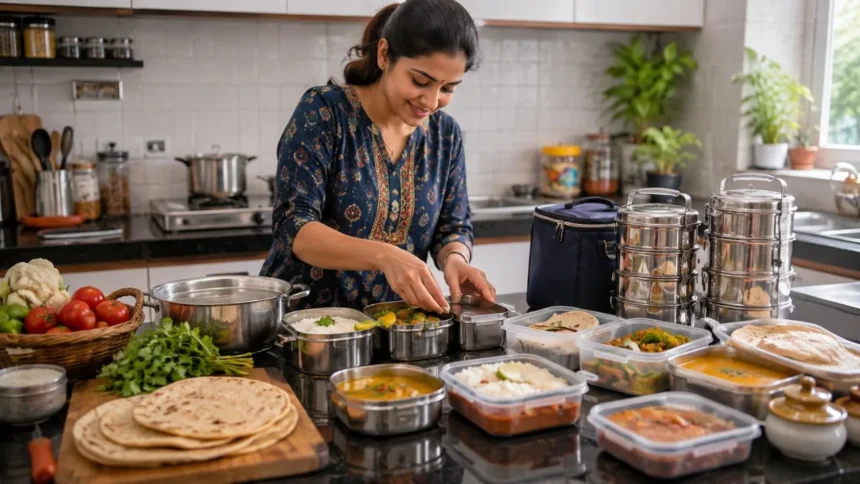
How to Start a Tiffin Service from Home and Build Daily Orders
Learning how to start a tiffin service from home can help you turn everyday cooking skills into a dependable small business. Students, office workers, elderly customers and busy families regularly need affordable homemade meals but may not have enough time to cook fresh food every day.
A home tiffin service usually requires less investment than opening a restaurant because you can begin with your existing kitchen, basic cooking equipment and a limited delivery area. However, success still depends on careful planning, food quality, accurate pricing, reliable delivery and compliance with local food-business requirements.
The strongest tiffin businesses do more than prepare tasty meals. They provide consistent portions, clean packaging, predictable delivery times and convenient subscription options. Customers continue ordering when they trust the quality of the food and know that their meal will arrive on time.
This guide explains how to research demand, select customers, create a menu, calculate costs, arrange deliveries and market your service. Follow the steps carefully so you can launch with manageable expenses and gradually build a profitable homemade food delivery business.
What Is a Home Tiffin Service?
A home tiffin service prepares and delivers freshly cooked meals to customers on a daily, weekly or monthly subscription. The meals commonly include rice, bread, lentils, vegetables, meat dishes, salad and other simple foods that customers would normally eat at home.
Unlike restaurant delivery, a tiffin service usually operates with a fixed or rotating menu. Customers order meal packages rather than choosing from a large list every day. This model makes ingredient purchasing, cooking, portion control and delivery planning easier for a small home-based business.
Some tiffin providers specialise in lunch for office workers, while others serve university students, families or elderly customers. Businesses may also offer vegetarian meals, calorie-controlled plans, regional dishes or food designed for customers with specific dietary preferences.
The subscription model can create predictable revenue because customers pay for several meals in advance. It also reduces food waste by helping you estimate how many portions to prepare. Starting with pre-orders is generally safer than cooking large quantities without confirmed customers.
Research Your Local Market
Begin by studying the people living or working within a practical delivery distance from your home. Look for offices, hostels, universities, apartments, factories and commercial areas where customers may need regular meals. A nearby audience reduces delivery time and transportation expenses.
Speak directly with potential customers before creating your menu. Ask what they currently spend on lunch, which dishes they prefer, what time they need delivery and why they are unhappy with existing options. Their answers can help you build a service around real demand.
Review other local tiffin services, restaurants and meal-delivery businesses. Compare their prices, menus, delivery areas, customer reviews and subscription packages. Do not copy them directly, but identify gaps such as inconsistent quality, limited vegetarian choices, expensive delivery or poor packaging.
Use your research to create a clear market position. You might offer affordable office lunches, hygienic meals for students, traditional home-style food or flexible weekly subscriptions. A specific promise makes your business easier to understand and promote.
Choose Your Target Customers
Trying to serve everyone can make a new tiffin business difficult to manage. Different customers expect different prices, portions, cuisines and delivery times. Selecting one main customer group allows you to create a focused menu and an efficient production schedule.
Office workers may want lunch delivered between noon and early afternoon. Students are often price-conscious and may prefer filling monthly packages. Elderly customers may value mild flavours, simple food and dependable delivery more than a wide variety of dishes.
Families may order dinner packages on busy weekdays, while fitness-focused customers could prefer high-protein meals with measured calories. You can expand into additional groups later, but your first offer should solve one clear customer problem.
Create a basic customer profile that includes location, budget, meal preferences and ordering habits. Use this profile when choosing dishes, setting prices and writing marketing messages. A well-defined audience prevents you from spending money promoting the service to people who are unlikely to order.
Write a Tiffin Service Business Plan
A tiffin service business plan does not need to be a complicated document. Start by recording what you will sell, who will buy it, how much you will charge and how many meals you can prepare each day without reducing quality.
List your expected startup expenses, including ingredients, containers, kitchen improvements, licences, branding and delivery supplies. Separate one-time costs from regular monthly expenses so you can estimate how much money is required before the service begins producing stable revenue.
Set realistic sales targets for the first three months. For example, you may aim to begin with ten daily subscribers and increase the number gradually. Starting small allows you to test your recipes, packaging and delivery process before accepting more orders.
Your plan should also explain how customers will place orders and make payments. Decide whether you will accept daily orders, weekly subscriptions or monthly plans. Clear order deadlines and cancellation rules will reduce confusion and unnecessary food waste.
Check Licences and Food Rules
Before selling meals, research the home-food-business rules that apply in your city, province, state or country. Requirements may include business registration, food-handler training, kitchen inspection, tax registration, health approval or permission to operate commercially from a residential property.
Do not assume that a small home business is automatically exempt from food regulations. Contact the relevant local food authority or small-business department and ask which permits are required. Written guidance is more reliable than informal advice from social media groups.
Create basic food-safety procedures even when local rules are limited. Keep raw and cooked ingredients separate, wash hands frequently, sanitise preparation surfaces and store foods at suitable temperatures. Use clean utensils and containers for every production cycle.
Label meals containing common allergens such as milk, eggs, peanuts, tree nuts, soy, wheat, fish or shellfish when relevant. Ask customers to disclose important dietary restrictions, but avoid promising that a meal is completely allergen-free unless your kitchen can prevent cross-contact.
Prepare Your Home Kitchen
Your home kitchen should be organised for efficient commercial cooking without affecting hygiene. Remove unnecessary items from preparation areas, create separate spaces for raw and cooked food and make sure counters can be cleaned easily before and after every batch.
Inspect your existing cooking equipment before buying anything new. Large pots, pans, knives, cutting boards, storage containers and measuring tools may be enough for a small launch. Additional equipment should be purchased only when order volume justifies the expense.
Create dedicated storage for business ingredients and packaging materials. Label dry goods clearly, rotate stock so older items are used first and check expiry dates regularly. Refrigerated ingredients should be arranged to prevent raw foods from contaminating prepared meals.
Test how many portions you can produce comfortably within your available time and space. Accepting too many customers too quickly can cause mistakes, late deliveries and inconsistent food. Increase capacity only after your kitchen workflow becomes reliable.
Create a Simple Tiffin Menu
A strong tiffin service menu should be appealing without becoming difficult to prepare. Begin with a small number of dishes that use overlapping ingredients. This approach reduces purchasing costs, shortens preparation time and prevents unnecessary food waste.
Create a rotating weekly menu so subscribers receive variety without needing to place a new order every day. For example, you can offer different lentils, vegetable dishes, chicken meals and rice combinations throughout the week while keeping the basic meal structure consistent.
Choose dishes that travel well and maintain their texture during delivery. Foods that become soggy, separate quickly or require immediate serving may create customer complaints. Test every meal inside its delivery container before adding it to the regular menu.
Offer limited customisation at the beginning. You might provide vegetarian and non-vegetarian plans or allow customers to choose between standard and large portions. Too many individual requests can slow cooking and increase the risk of order errors.
Calculate Food Costs
Accurate costing is essential when learning how to start a tiffin service from home. Calculate the cost of every ingredient used in one portion, including cooking oil, spices, sauces and garnishes. Small items can significantly affect profitability when multiplied across many meals.
Add the cost of packaging, gas, electricity, water, delivery, marketing and payment charges. Your selling price must cover more than the visible ingredients. Failing to include operating expenses can make a busy tiffin service appear profitable when it is actually losing money.
Include payment for your own time. Cooking, purchasing ingredients, cleaning, packing and communicating with customers are all part of the business. Your price should provide compensation for this work instead of covering only food and delivery expenses.
Review costs regularly because ingredient and transportation prices can change. Adjust portions, suppliers or package prices when necessary. Explain major price changes professionally so existing customers understand that the adjustment supports consistent quality.
Set Profitable Prices
Research local meal prices before deciding what customers should pay, but do not compete only by offering the lowest price. Extremely cheap packages can attract customers who quickly leave when another provider offers a discount, while also preventing you from maintaining good ingredients.
Create daily, weekly and monthly options. A single meal can have the highest per-meal price, while subscriptions can include a reasonable discount because they provide predictable orders. Make sure the discount does not remove your profit margin.
You can also create standard and premium packages. A basic plan may include one main dish, bread or rice and salad, while a premium plan may include additional protein, dessert or a larger portion. Clear differences make customers more comfortable choosing between prices.
State exactly what each package includes, whether delivery is included and which days the service operates. Hidden charges damage trust. A simple price card shared through WhatsApp or social media can make the ordering decision faster.
Choose Packaging and Delivery
Food packaging should protect the meal, prevent leaks and maintain a presentable appearance. Select food-grade containers that fit your portions properly. Oversized packaging increases cost, while containers that are too small can cause spills and crushed food.
Separate liquids, bread, rice and salad when combining them would reduce quality. Test containers with hot food and transport them over the typical delivery distance. This reveals problems with lids, condensation, leakage and temperature before customers experience them.
Decide whether you will deliver personally, hire a rider or use a local delivery platform. Personal delivery may work for a small nearby customer base, but it can interrupt cooking as orders grow. A dedicated rider provides more control but adds a regular expense.
Create delivery zones and fixed time windows instead of accepting orders from distant locations. Grouping customers by area can reduce fuel costs and delays. Always keep customers informed when weather, traffic or another unavoidable issue affects delivery.
Build Your Brand
Choose a simple and memorable name for your home tiffin service. The name should be easy to pronounce, spell and search online. Avoid using a name that limits the business to one dish if you may expand the menu later.
Create a basic logo, colour style and menu design that can be used on packaging, social media and order messages. Professional branding builds trust, but you do not need an expensive design agency when launching. Clean and consistent presentation is more important than complexity.
Write a clear description explaining who the service is for and what makes it different. For example, you could promote fresh home-style office lunches, affordable student meal plans or hygienic vegetarian tiffin delivery within a specific neighbourhood.
Use high-quality photographs of your actual food rather than unrelated stock images. Natural light, clean plates and simple backgrounds can make meals look attractive. Customers should receive food that closely matches what they saw in your promotional content.
Create an Ordering System
WhatsApp Business can provide a simple ordering system for a new tiffin service. Create a product catalogue or menu, prepare automatic replies and use labels to organise new orders, confirmed payments, active subscribers and completed deliveries.
Set a clear daily order deadline. For example, customers may need to confirm lunch orders before a fixed morning time. This gives you enough time to purchase ingredients, prepare accurate portions and organise delivery without last-minute disruption.
Record every order in a spreadsheet or order-management tool. Include the customer’s name, phone number, address, meal choice, subscription dates, allergies, payment status and delivery instructions. Accurate records prevent missed meals and payment confusion.
Offer convenient payment methods used by your target customers. You may accept cash, bank transfers, mobile wallets or online payments depending on your location. Encourage advance payment for subscription plans to protect cash flow and reduce unpaid orders.
Market Your Tiffin Service
Begin marketing within the area you can serve reliably. Share your menu in neighbourhood groups, local business communities, university networks and apartment forums. Ask administrators for permission before posting so your promotion is not treated as spam.
Use Instagram, Facebook and TikTok to show meal preparation, weekly menus, clean packaging and customer feedback. Short behind-the-scenes videos can make the business feel trustworthy because customers can see the ingredients and care involved in preparing their food.
Offer a paid trial meal or a short introductory package instead of giving away too much free food. A trial lowers the customer’s risk while still protecting your expenses. Follow up after delivery and ask what they liked or wanted improved.
Referral offers can produce high-quality customers. Give existing subscribers a discount or additional meal when they introduce someone who purchases a plan. Recommendations from trusted friends often convert better than general advertising.
Maintain Food Quality
Create standard recipes for every dish so flavour and portion size remain consistent. Measure ingredients instead of relying entirely on estimation, especially when several people help with cooking. Customers should receive approximately the same experience with every order.
Purchase ingredients from dependable suppliers and inspect them before use. Lower prices are not valuable when quality is inconsistent. Build relationships with vendors who can provide fresh products in the quantities and on the days your business requires.
Use portion-control tools such as measuring cups, ladles or digital scales. Consistent portions protect profit margins and prevent customer dissatisfaction. Clearly define the quantity included in standard and large meal packages.
Ask for regular feedback without changing the menu after every individual comment. Look for repeated concerns involving taste, spice level, packaging or delivery. Patterns provide more useful information than one unusual preference.
Manage Daily Operations
Prepare a production schedule showing when ingredients will be purchased, cleaned, chopped, cooked and packed. Include enough time for kitchen cleaning and unexpected delays. A written routine can make the work more manageable as order volume increases.
Confirm the next day’s subscriber count before buying highly perishable ingredients. Maintain a small safety quantity when practical, but avoid purchasing excessive food without confirmed orders. Careful forecasting protects both freshness and cash flow.
Keep business income and expenses separate from household money. Use a dedicated bank account, digital wallet or record book where possible. This makes it easier to understand whether the tiffin business is producing a real profit.
Review important numbers each week, including meals sold, revenue, food cost, packaging cost, delivery expenses and customer complaints. Simple tracking can reveal which packages are profitable and where money is being lost.
Scale the Tiffin Business
Do not expand until you can deliver existing orders consistently. Late meals, incorrect dishes and falling quality indicate that the operation needs improvement before accepting more customers. Strong systems should support growth rather than growth creating constant emergencies.
When demand increases, consider hiring help for vegetable preparation, cleaning, packing or delivery. Assign specific responsibilities and train every person in hygiene and portion standards. Clear roles reduce confusion inside a busy kitchen.
You can increase revenue by adding office catering, family meal boxes, weekend specials or healthy meal plans. Introduce one new service at a time and test demand before purchasing additional equipment or ingredients.
A successful home tiffin service may eventually require a larger licensed kitchen. Make this decision based on stable order volume and financial records rather than excitement alone. Expansion should improve capacity and profit without creating unsustainable debt.
Common Tiffin Business Mistakes
The first common mistake is launching with too many dishes. A large menu creates complicated purchasing, slower cooking and greater waste. Begin with meals you can prepare efficiently and add new options after understanding customer demand.
Underpricing is another serious problem. Low prices may generate orders but leave no money for replacing equipment, managing price increases or paying yourself. Build a complete cost sheet before announcing meal packages.
Unreliable delivery can damage an otherwise good food business. Customers ordering lunch often have limited break times, so repeated delays may cause them to cancel. Use realistic delivery areas and avoid promising exact times you cannot consistently meet.
Ignoring customer communication can also reduce retention. Inform subscribers about menu changes, holidays, delays and payment deadlines in advance. Clear communication shows professionalism and helps customers plan their meals confidently.
Frequently Asked Questions
How much does it cost to start a tiffin service from home?
Startup cost depends on your kitchen, menu, packaging and local licence requirements. Beginning with pre-orders and existing equipment can keep expenses lower than opening a restaurant.
Is a home tiffin service profitable?
It can be profitable when prices cover ingredients, packaging, labour and delivery. Subscription orders, controlled portions and limited waste can improve the overall profit margin.
Do I need a licence for a home tiffin business?
Requirements differ by location. You may need food-business registration, health approval, food-handler certification or permission to operate from a residential kitchen.
How can I get customers for my tiffin service?
Promote the service in nearby offices, universities, apartments and online community groups. Trial packages, referrals, customer reviews and consistent social media content can help generate orders.
What should a tiffin meal include?
A standard meal may include bread or rice, one vegetable dish, lentils or protein and a small salad. The exact combination should match local tastes, customer budgets and your business costs.
Conclusion: Start Your Home Tiffin Service With a Clear Plan
Understanding how to start a tiffin service from home begins with identifying a local group that needs regular, affordable meals. Research demand before investing heavily, and create a focused offer based on the customer’s budget, preferred food and delivery schedule.
Build a small rotating menu, calculate every expense and set prices that protect your profit. Follow local food regulations and maintain strict hygiene standards, even when preparing only a limited number of meals from your kitchen.
Use subscriptions, simple ordering systems and organised delivery routes to make the business predictable. Reliable service is as important as taste because customers depend on tiffin providers for meals during work, study or busy family schedules.
Start with a manageable number of orders and improve your system before expanding. Consistent food, clean packaging, timely delivery and clear communication can turn a small home tiffin service into a trusted and profitable local brand.