
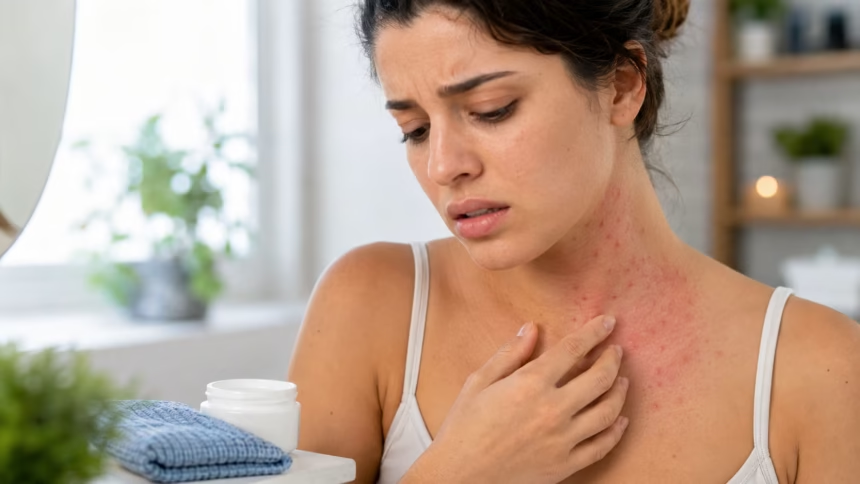
Stress Bumps: Causes, Symptoms & How to Get Relief
Noticing itchy, red, or raised bumps during an emotionally difficult week can make an already stressful situation feel worse. Many people call these changes “stress bumps,” although the phrase is not a formal medical diagnosis. It may refer to hives, acne breakouts, eczema flare-ups, or another rash that becomes more noticeable during stress.
Stress can affect the skin because the brain, nervous system, immune system, and skin communicate with one another. Stress-related changes may increase inflammation, intensify itching, stimulate oil production, or encourage habits such as scratching and touching the face. These effects can trigger or worsen certain skin conditions in susceptible people.
However, stress should not automatically be blamed for every unexplained bump. Allergic reactions, insect bites, infections, heat, medicines, new skincare products, and chronic skin disorders can produce similar symptoms. Identifying the appearance, location, timing, and duration of the rash can help narrow down its likely cause.
Most mild stress-related skin changes can be managed with gentle skincare, trigger avoidance, and practical stress-reduction strategies. A spreading rash, persistent symptoms, severe pain, signs of infection, or swelling around the mouth and throat requires appropriate medical attention rather than repeated home treatment.
What Are Stress Bumps?
Stress bumps are raised or inflamed areas of skin that appear or worsen during periods of emotional or physical pressure. They may look like welts, pimples, tiny blisters, rough patches, or clusters of small red bumps, depending on the underlying skin condition.
Hives are among the skin reactions most frequently associated with stress. These raised, itchy welts can appear suddenly, change shape, join together, and move from one area to another. Individual hives may fade while new ones develop elsewhere on the body.
Stress bumps can also refer to acne lesions that appear during demanding periods. These may include whiteheads, blackheads, small red pimples, pus-filled spots, or deeper painful lumps. Stress does not create every cause of acne, but it may increase the severity of existing breakouts.
In people with eczema, stress may lead to itchy, dry, inflamed, or blistered patches. The bumps are therefore not a single disease with one appearance or treatment. The correct approach depends on whether the symptoms come from hives, acne, eczema, irritation, allergy, or another condition.
What Do Stress Bumps Look Like?
Stress hives usually appear as smooth, raised welts rather than solid pimples. They may be round, oval, ring-shaped, or irregular and can range from tiny spots to larger connected patches. They often itch intensely and may become pale in the centre when pressed.
The colour of a stress rash can vary with skin tone. Hives may appear pink or red on lighter skin, while they can look skin-coloured, violet, brown, or slightly darker on deeper skin tones. Swelling and changes in skin texture may be easier to recognize than redness.
Stress-related acne tends to remain in one location for longer than hives. It commonly develops on the face, chest, shoulders, upper back, or areas exposed to oil and friction. Acne lesions may feel tender, especially when inflammation develops deeper within the skin.
Eczema-related bumps may sit within dry, thickened, cracked, or scaly patches. Dyshidrotic eczema can produce extremely itchy, fluid-filled blisters on the fingers, palms, or soles, and stress may trigger a flare in people who already have the condition.
Where Can Stress Bumps Appear?
Stress hives can appear almost anywhere, including the face, neck, chest, arms, back, abdomen, and legs. Some people first notice them around areas exposed to pressure, heat, sweat, or tight clothing during a stressful event.
The face and neck may become especially noticeable because changes in blood flow, warmth, and sweating can accompany anxiety. Raised itchy patches in these locations can still have other causes, including cosmetics, fragrance, hair products, jewellery, or an allergic reaction.
Acne breakouts often occur where the skin has more oil glands. Stress pimples may therefore appear around the forehead, cheeks, chin, jawline, chest, and upper back. Repeatedly touching the face or resting the chin on the hands may add friction and transfer oil.
Eczema can affect many areas, but its distribution often depends on the person’s age and eczema type. Existing patches may become itchier during stressful periods, encouraging scratching that makes the skin more inflamed, swollen, and vulnerable to further irritation.
How Stress Affects the Skin
The body responds to a stressful situation by activating systems designed to manage a perceived challenge. This response involves stress hormones and chemical signals that can affect heart rate, attention, sleep, digestion, immune activity, and the skin.
When stress continues, the skin may become more reactive and inflammation may increase. Existing conditions such as hives, eczema, psoriasis, rosacea, or acne can become harder to control. Stress may also intensify the sensation of itching, making a mild rash feel much more uncomfortable.
Stress can influence everyday behaviour as well. A person may sleep poorly, skip skincare, eat differently, scratch the skin, pick pimples, or use harsh products while trying to clear the breakout quickly. These habits may damage the skin barrier and prolong symptoms.
This connection does not mean that a skin condition is imaginary or “all in the mind.” Stress can produce real physical effects, but it is usually one contributing factor rather than the only cause. Medical treatment may still be necessary even when stress appears to be an important trigger.
Can Stress Cause Hives?
Emotional stress is a recognized trigger for hives in some people. Hives, also called urticaria, develop when chemical signals such as histamine cause fluid to leak from small blood vessels into the skin, producing raised, swollen welts.
Stress may trigger hives directly in susceptible individuals or worsen an episode caused by another factor. Heat, sweating, exercise, pressure on the skin, infections, foods, medicines, insect stings, and exposure to certain substances can also trigger the reaction.
Hives usually itch and can appear quickly. A single welt may disappear within hours while another develops nearby, making the rash seem to move. This changing pattern helps distinguish hives from pimples, insect bites, and many forms of dermatitis.
Not every case has an identifiable trigger. When hives repeatedly occur for six weeks or longer, the condition is considered chronic urticaria. Persistent or frequently returning episodes should be evaluated rather than continually attributed to everyday stress.
Can Stress Cause Acne Breakouts?
Stress does not create acne from nothing, but it can worsen acne in people who are already prone to clogged pores. Stress-related hormonal and inflammatory changes may increase oil production and make existing lesions more noticeable or slow their improvement.
A stress breakout may consist of small inflamed pimples, whiteheads, or deeper painful spots. It may appear during examinations, work deadlines, relationship difficulties, disrupted sleep, travel, or another period when normal routines have changed.
Several factors may occur together. Poor sleep, sweaty workouts, heavier makeup, oily hair products, changes in diet, and frequent face touching may accompany stress. Treating only emotional stress may therefore not fully clear the breakout.
Avoid squeezing or picking stress pimples. Popping acne can push material deeper into the skin, increase inflammation, and raise the likelihood of pain, discolouration, or scarring. A consistent acne treatment plan is usually more effective than aggressively treating each new bump.
How Stress Can Trigger an Eczema Flare
Stress does not directly cause every case of eczema, but it can make eczema itchier and more difficult to control. Increased scratching can further damage the skin barrier, creating an itch-scratch cycle that prolongs the flare.
An eczema flare may produce dry, rough, discoloured, cracked, swollen, or oozing patches. Some people develop clusters of small bumps, while others notice thickened skin where they have repeatedly rubbed or scratched.
Stress may also interfere with sleep and skin healing. When the body is tired and the skin barrier is already irritated, common triggers such as fragrance, harsh soap, sweat, wool, dry air, or temperature changes may feel more intense.
Managing stress can support eczema treatment, but it should not replace prescribed creams, moisturization, or trigger management. Dermatology guidance notes that stress may worsen itching and lengthen eczema flares rather than serving as the sole cause of the condition.
Stress Bumps vs Heat Rash
Heat rash develops when sweat becomes trapped beneath the skin. It often appears as clusters of tiny bumps in warm, covered, or sweaty areas such as the neck, chest, back, armpits, groin, or skin folds.
The bumps may feel prickly, itchy, or mildly painful. Because emotional stress can cause sweating and a feeling of heat, a rash that appears during anxiety may actually be heat-related rather than directly produced by stress.
Cooling the body, moving to a well-ventilated area, wearing loose clothing, and keeping the affected skin dry may help mild heat rash. Thick creams and oily products may worsen sweat blockage in some cases.
Seek medical advice if the rash becomes increasingly painful, develops pus, spreads despite cooling, or occurs with fever. These signs can suggest infection or another condition that requires a different form of treatment.
Stress Bumps vs Contact Dermatitis
Contact dermatitis occurs when the skin reacts to an irritant or allergen. Common triggers include fragrances, cosmetics, hair dye, cleaning products, detergents, metals, latex, plants, and substances encountered at work.
The affected skin may become itchy, blistered, dry, cracked, swollen, or discoloured. Symptoms usually appear on areas that touched the trigger, although allergic reactions can sometimes spread beyond the original contact site.
A stressful period may make the itching feel worse, but the underlying problem can still be a recently introduced product. Reviewing new soaps, sunscreens, perfumes, laundry products, jewellery, gloves, and topical medicines can reveal a more direct explanation.
Contact dermatitis often develops within hours or days of exposure rather than immediately after an emotional event. Avoiding the responsible substance is central to improvement, although identifying the exact trigger may require professional patch testing.
Other Conditions That Can Look Like Stress Bumps
Insect bites may produce itchy, raised bumps that appear in clusters or lines. Their location, timing, and pattern can provide clues, especially after travel, outdoor activities, contact with pets, or sleeping in an unfamiliar environment.
Folliculitis causes inflammation around hair follicles and may look like small pimples. Friction, shaving, sweating, tight clothing, microorganisms, and hot-tub exposure can contribute. Some cases clear with simple care, while others require medical treatment.
Viral, bacterial, and fungal infections can also create bumps or rashes. Pain, crusting, pus, warmth, spreading redness, fever, or general illness makes an infection more likely and should not be dismissed as a stress response.
Scabies, rosacea, psoriasis, perioral dermatitis, drug reactions, and autoimmune conditions can also resemble stress-related breakouts. Small acne-like bumps around the mouth, for example, may indicate perioral dermatitis rather than ordinary stress acne.
How Long Do Stress Bumps Last?
The duration depends on the underlying condition. Individual hives often disappear within hours, although new welts may continue to appear for several days. A hive that remains unchanged in exactly the same place for a long period may need further evaluation.
Acne lesions typically last longer than hives. A small pimple may improve over several days, while deeper nodules or cysts can remain painful for weeks and may leave temporary dark marks or scars.
Eczema symptoms may continue until both inflammation and skin-barrier damage are controlled. Even after the redness or swelling improves, dryness and sensitivity may remain, making consistent moisturization and avoidance of known triggers important.
If bumps repeatedly return during stressful periods, take photographs and keep a brief symptom diary. Record where they appear, how long they last, whether they itch, and any foods, medicines, products, temperatures, or activities involved.
How to Calm Stress Hives at Home
Begin by cooling and protecting the affected skin. Apply a clean, cool compress and avoid hot showers, overheating, scratching, and tight clothing. Warm rather than hot bathing and loose cotton clothing may reduce irritation.
Use a mild, fragrance-free cleanser and gently pat the skin dry. Scrubbing with a loofah, exfoliating brush, or rough towel can stimulate sensitive skin and make the welts more uncomfortable.
A pharmacist or healthcare professional may recommend a suitable antihistamine for hives. Product choice depends on age, pregnancy, existing health conditions, other medicines, and whether drowsiness could create a safety risk.
Do not assume that recurring hives require increasingly strong home remedies. Seek medical advice if they are severe, keep returning, spread widely, or do not begin improving. Chronic hives often need a structured treatment plan.
How to Manage Stress-Related Acne
Wash acne-prone areas gently, usually no more than twice daily and after heavy sweating. Frequent scrubbing and strong alcohol-based products can irritate the skin without correcting the process occurring inside clogged pores.
Choose products labelled non-comedogenic, non-acnegenic, oil-free, or unlikely to clog pores. Heavy hair oils, pomades, makeup, and thick skincare products can contribute to breakouts along the forehead, temples, or other contact areas.
Common non-prescription acne ingredients include benzoyl peroxide, salicylic acid, and adapalene, but not every ingredient suits every person. Introduce one product gradually, follow its instructions, and consider professional advice during pregnancy or when the skin is highly sensitive.
A dermatologist can help when acne is painful, deep, widespread, scarring, or affecting emotional well-being. Effective treatment is available, and early management can reduce the likelihood of permanent marks and scars.
How to Soothe Stress-Related Eczema
Apply a fragrance-free moisturizer regularly to support the skin barrier. Creams and ointments generally provide more protection than thin lotions, particularly when the skin feels very dry, rough, or tight.
Keep showers comfortably warm and relatively brief. Use a gentle cleanser only where needed, pat the skin dry, and apply moisturizer before the skin has completely dried to help retain moisture.
Avoid known eczema triggers, which may include fragrance, harsh detergents, sweat, rough fabrics, heat, cold air, and certain personal care products. Stress reduction works best when combined with consistent skin treatment and trigger control.
Use prescribed eczema medication according to the clinician’s instructions. Seek advice when the skin becomes painful, warm, crusted, rapidly worse, or begins leaking fluid, as these changes may indicate infection.
Stress-Management Strategies That May Help
Stress management cannot guarantee clear skin, but it may reduce one factor contributing to repeated flare-ups. Begin by identifying the situations that consistently occur before the rash, breakout, or itching becomes worse.
Slow breathing, mindfulness, meditation, walking, stretching, and other forms of regular movement may help regulate the stress response. The most useful method is one that feels manageable enough to practise consistently rather than only during a crisis.
Sleep also deserves attention because poor sleep can increase emotional strain and make itching or skin discomfort harder to tolerate. Aim for a regular sleep schedule and reduce stimulating work or scrolling close to bedtime when possible.
Speak with a healthcare or mental health professional when stress feels unmanageable, interferes with everyday activities, or contributes to persistent anxiety or low mood. Skin treatment and emotional support can be used together rather than treating one concern while ignoring the other.
What Not to Put on Stress Bumps
Avoid applying undiluted essential oils, lemon juice, toothpaste, rubbing alcohol, bleach, or other harsh household substances. These products can cause irritation or chemical burns and may make the original rash harder to identify.
Do not repeatedly exfoliate bumps with rough scrubs, cleansing brushes, or strong acids. Damaging the skin barrier may increase burning, inflammation, discolouration, and sensitivity without treating hives or eczema.
Avoid using someone else’s prescription steroid, antibiotic, or acne medicine. A cream that helps one condition can worsen another, particularly when fungal infections, perioral dermatitis, or allergic reactions are mistaken for eczema.
Try not to cover unexplained bumps with thick layers of multiple products. A simple routine makes it easier to observe changes and identify possible triggers while reducing the likelihood of additional irritation.
When to See a Doctor or Dermatologist
Arrange a medical assessment if the bumps are severe, painful, blistering, frequently returning, or failing to improve. Persistent symptoms may require a diagnosis rather than another attempt at general stress relief.
Seek advice when the rash begins after a new medicine, supplement, food, cosmetic, or insect sting. Do not stop an essential prescribed medicine without contacting the healthcare professional who recommended it.
Signs of infection include increasing pain, warmth, swelling, pus, spreading redness, red streaks, fever, or feeling generally unwell. Scratched eczema, insect bites, and picked acne can all become infected.
Recurring hives lasting six weeks or longer, deep acne that may scar, or eczema that disrupts sleep deserves professional care. Effective treatment can improve both physical symptoms and the emotional stress created by a visible skin condition.
When Stress Bumps Are an Emergency
Call your local emergency service if a rash occurs with sudden swelling of the lips, mouth, tongue, or throat. These symptoms may indicate angioedema or a serious allergic reaction rather than an ordinary stress rash.
Breathing difficulty, wheezing, choking, throat tightness, difficulty swallowing, fainting, severe dizziness, or confusion also requires immediate attention. Anaphylaxis can develop quickly and needs urgent treatment.
Use an epinephrine auto-injector immediately when one has been prescribed for suspected anaphylaxis, then call emergency services. Do not rely on an oral antihistamine as a substitute for emergency treatment when breathing or circulation is affected.
A person can feel anxious during an allergic reaction, but anxiety does not make severe swelling or breathing trouble harmless. It is safer to treat these warning signs as a medical emergency rather than assuming stress caused every symptom.
How to Prevent Stress-Related Skin Flare-Ups
Keep a simple record of stressful events, sleep, skincare products, meals, medicines, exercise, weather, and skin symptoms. Patterns may reveal that heat, sweat, pressure, or a particular product is involved along with emotional stress.
Follow a consistent skincare routine built around gentle cleansing, moisturization, and sun protection. Frequently switching products during a breakout can expose the skin to more irritants and make the original trigger difficult to identify.
Prepare for predictable stressful periods. Refill prescribed medicines, keep suitable skincare products available, schedule movement and meals, and protect sleep before examinations, travel, deadlines, or major events.
Prevention does not mean eliminating all stress, which is rarely realistic. The goal is to reduce avoidable triggers, support the skin barrier, use treatment consistently, and respond early when familiar symptoms begin.
Stress Bumps Explained
Stress bumps are not one specific skin disease. The term may describe hives, acne, eczema, heat rash, or another condition that appears or worsens during emotionally demanding periods.
Stress can trigger hives and intensify existing inflammatory skin conditions. It may also increase oil production, itching, sweating, scratching, and skin picking, creating several possible pathways to visible bumps.
Relief begins with identifying the type of eruption rather than using the same treatment for every rash. Cool compresses may soothe hives, acne treatments target clogged pores, and moisturizers or prescribed medicines may be needed for eczema.
Most importantly, do not blame serious or persistent symptoms on stress alone. Seek professional care for recurring, infected, painful, or unexplained bumps, and obtain emergency help for breathing difficulty or sudden facial, tongue, or throat swelling.
Frequently Asked Questions
What do stress bumps usually look like?
They may appear as itchy raised welts, inflamed pimples, tiny blisters, or rough eczema patches. Their exact appearance depends on the underlying skin condition.
Can anxiety cause itchy bumps?
Anxiety and emotional stress can trigger hives or intensify itching in people with eczema and other skin conditions. However, allergies, infections, and irritants should also be considered.
How quickly do stress hives disappear?
An individual hive often fades within several hours, but new welts may continue appearing. Hives that repeatedly return or continue for six weeks need medical assessment.
Are stress bumps contagious?
Hives, acne, and eczema are not contagious. However, some infections and infestations can resemble stress bumps, so an uncertain or spreading rash should be evaluated.
What is the fastest way to calm a stress rash?
Move to a cool environment, apply a cool compress, wear loose clothing, and avoid scratching or hot showers. A pharmacist can advise whether an antihistamine is suitable for suspected hives.