How Does the Digestive System Work? Follow Food Through Your Body
How does the digestive system work after you take a bite of food? Digestion begins in the mouth and continues through a connected group of organs that break food into smaller substances. The body then absorbs useful nutrients, moves them into the bloodstream and removes the material it cannot use.
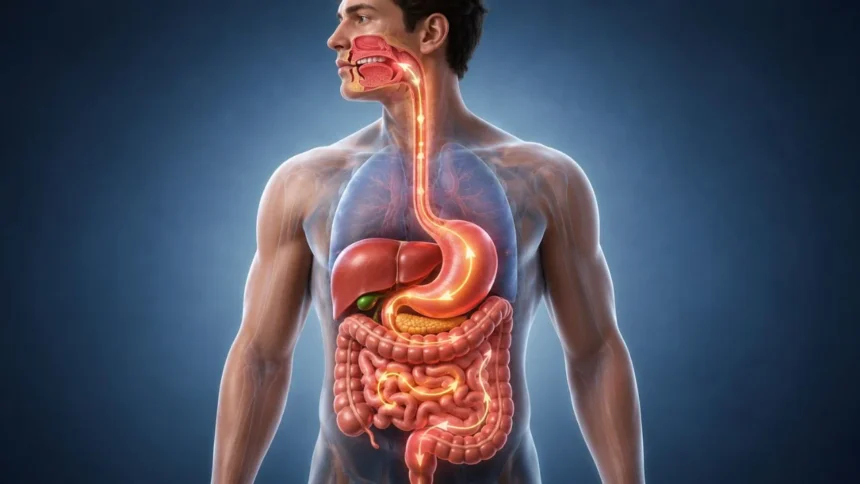
The process involves much more than the stomach. The mouth, oesophagus, stomach, small intestine, large intestine, rectum and anus form the gastrointestinal tract. The liver, pancreas and gallbladder also produce or store substances that help the body digest carbohydrates, proteins and fats.
Muscles push food through the digestive tract, while acids, bile and digestive enzymes break it into smaller parts. Nerves, hormones, blood vessels and gut bacteria also help control movement, digestion and nutrient absorption. These systems work together automatically, although eating habits and health conditions can influence their performance.
This guide follows food from the mouth to the anus and explains the role of every major digestive organ. It also covers digestive enzymes, nutrient absorption, gut bacteria and practical habits that support regular digestion. Persistent or severe digestive symptoms should always be discussed with a qualified healthcare professional.
What Is the Digestive System?
The digestive system is a group of organs responsible for moving food, breaking it down, absorbing nutrients and removing waste. Its main pathway is the gastrointestinal tract, also called the GI tract or digestive tract. This long muscular tube begins at the mouth and ends at the anus.
The hollow organs of the digestive tract include the mouth, oesophagus, stomach, small intestine, large intestine and anus. Each section performs a different job, but none works alone. Food must move through these organs in the correct order for digestion and waste removal to occur efficiently.
The liver, pancreas and gallbladder are known as solid digestive organs. Food does not travel directly through them, but they produce, process or store important digestive substances. Pancreatic juices contain enzymes, while the liver makes bile and the gallbladder stores it until the small intestine needs it.
Digestion is important because food contains nutrients the body needs for energy, growth and cell repair. Proteins are broken into amino acids, carbohydrates into simple sugars, and fats into fatty acids and glycerol. Vitamins, minerals and water can then be absorbed and used throughout the body.
Digestion Starts in the Mouth
The digestion process begins before food reaches the stomach. Teeth cut and grind food into smaller pieces, creating more surface area for digestive substances to act upon. The tongue moves the food around the mouth, mixes it with saliva and helps form it into a soft mass for swallowing.
Salivary glands release saliva when you see, smell, think about or begin eating food. Saliva moistens dry food, making it easier to chew and swallow. It also contains an enzyme that begins breaking down starch, meaning the chemical digestion of some carbohydrates starts inside the mouth.
Chewing food thoroughly does not complete digestion, but it prepares food for the next stages. Large, poorly chewed pieces require more mixing inside the stomach. Slower, careful chewing can also make it easier to notice taste, texture and fullness instead of swallowing a meal without paying attention.
When you swallow, the tongue pushes the softened food towards the throat. A small flap called the epiglottis closes over the windpipe to help prevent food from entering the airway. The swallowed food then passes into the oesophagus, where automatic muscle movements take over.
The Oesophagus Moves Food
The oesophagus is a muscular tube connecting the throat to the stomach. It does not perform a large amount of chemical digestion. Its main responsibility is transporting swallowed food and liquid safely towards the stomach through coordinated waves of muscular contraction.
These wave-like contractions are called peristalsis. Muscles behind the food tighten and push it forward, while muscles in front relax to create space. Peristalsis continues through other parts of the digestive tract, helping mix and move food, liquid and waste.
Once swallowing begins, the process becomes mostly automatic. The brain signals the muscles of the oesophagus to begin moving. This organised movement allows food to reach the stomach even when the body is not upright, although gravity can support the movement when a person is sitting or standing.
A ring-like muscle called the lower oesophageal sphincter sits at the bottom of the oesophagus. It relaxes to allow food into the stomach and normally closes afterward. When this muscle does not close properly, stomach contents may move backwards and contribute to acid reflux or heartburn.
The Stomach Mixes Food
The stomach is a muscular, expandable organ that temporarily holds swallowed food and liquid. Its upper muscles relax to receive a meal, while muscles in its wall contract to mix the contents. This movement combines food with stomach acid and digestive enzymes.
Glands in the stomach lining produce acid and enzymes that continue chemical digestion. Protein digestion begins in the stomach as enzymes break large protein structures into smaller pieces. The acidic environment also changes the texture and structure of food, preparing it for further digestion in the small intestine.
The stomach’s mixing action gradually turns food into a thick liquid mixture called chyme. Rather than releasing an entire meal at once, the stomach slowly empties this mixture into the first part of the small intestine. The emptying rate varies according to the meal and the person’s health.
The stomach does not absorb most nutrients from a meal. Its main roles are storing, mixing and beginning the breakdown of food before passing it forward. Most digestion and nutrient absorption take place later, particularly within the small intestine with help from the pancreas, liver and gallbladder.
The Small Intestine Does Most Digestion
The small intestine is the longest and most important area for completing digestion and absorbing nutrients. It has three sections: the duodenum, jejunum and ileum. Chyme enters the duodenum from the stomach and mixes with digestive substances released by the pancreas, liver and intestinal lining.
Muscles in the small intestine continue peristalsis, moving and mixing the contents. This repeated movement brings food into contact with digestive enzymes and the intestinal wall. Carbohydrates, fats and proteins are broken into units small enough to pass through the intestinal lining.
The pancreas supplies enzymes that digest carbohydrates, proteins and fats. Bile from the liver supports fat digestion, while enzymes produced along the intestinal surface complete the breakdown of certain nutrients. Together, these substances transform a mixed meal into absorbable sugars, amino acids, fatty acids and other components.
The walls of the small intestine absorb digested nutrients and much of the water entering this part of the digestive tract. Nutrients pass into the bloodstream or lymphatic system and are transported to areas where they can provide energy, support growth, repair cells or be stored for later use.
The Pancreas Releases Enzymes
The pancreas is located behind the stomach and performs both digestive and hormonal functions. Its digestive role involves making pancreatic juice containing enzymes that act on carbohydrates, fats and proteins. The juice travels through small ducts and enters the first section of the small intestine.
Pancreatic amylase helps continue carbohydrate digestion, while pancreatic lipase supports the breakdown of fats. Protein-digesting enzymes help separate proteins into smaller peptides and amino acids. These enzymes operate inside the small intestine, where food has already been chewed, mixed with stomach juices and partly digested.
The pancreas also releases bicarbonate-rich fluid that helps neutralise the acidic mixture arriving from the stomach. This protects the small intestine and creates a more suitable environment for pancreatic enzymes. Without enough pancreatic enzymes, the body may struggle to digest and absorb nutrients properly.
Digestive enzyme supplements are not automatically necessary for healthy people. They may be prescribed for specific conditions in which the body does not produce or release enough enzymes. Anyone experiencing unexplained weight loss, greasy stools or signs of poor nutrient absorption should seek medical evaluation rather than self-treating.
The Liver and Gallbladder Handle Bile
The liver is one of the body’s largest organs and performs many functions beyond digestion. During the digestive process, it produces bile, a fluid containing bile acids, water, cholesterol and other substances. Bile is important because it helps the small intestine process dietary fats.
The gallbladder is a small organ positioned beneath the liver. It stores and concentrates bile between meals. When food containing fat enters the small intestine, the gallbladder releases bile through ducts so it can mix with the digestive contents.
Bile does not work like a digestive enzyme. It separates larger fat globules into smaller droplets, making it easier for enzymes to act on them. This process supports the breakdown and absorption of fats and fat-soluble nutrients inside the small intestine.
After nutrients are absorbed, blood carries many of them to the liver for processing. The liver may store certain nutrients, transform them into usable forms or release them according to the body’s needs. It therefore connects digestion with energy use, nutrient storage and many wider metabolic functions.
How Nutrients Enter the Body
Digestion and absorption are related but different processes. Digestion breaks food into small components, while absorption moves those components through the intestinal wall and into the body. A food may be physically present inside the digestive tract without its nutrients entering the bloodstream immediately.
The small intestine has a large internal surface designed for absorption. Its lining contains folds and tiny projections that increase contact with digested food. This structure allows sugars, amino acids, vitamins, minerals, fatty acids and water to move efficiently through the intestinal lining.
Simple sugars and amino acids generally enter blood vessels and travel towards the liver. Many digested fats follow a different route through the lymphatic system before reaching the bloodstream. The circulatory system then distributes absorbed nutrients to cells throughout the body.
The body uses these nutrients for many purposes. Sugars can provide energy, amino acids can support tissue growth and repair, and fatty acids can contribute to energy storage and cell structure. Vitamins, minerals and water support numerous processes required for the body to function normally.
The Large Intestine Forms Stool
Material that is not digested or absorbed in the small intestine moves into the large intestine. This material includes undigested food components, fluid and older cells shed from the digestive lining. The large intestine is shorter than the small intestine but has a wider diameter.
One of the large intestine’s main jobs is absorbing water from the remaining material. As water is removed, the waste changes from a liquid mixture into more solid stool. Peristalsis gradually moves this stool through the colon and towards the rectum.
The rectum is the final section of the large intestine and temporarily stores stool. When enough stool collects, nerves signal that a bowel movement may be needed. Muscles around the rectum and anus then coordinate to allow stool to leave the body.
Bowel habits can differ considerably between healthy people. Diet, fluid intake, physical activity, medicines, age and health conditions may all influence stool consistency and frequency. A sudden or persistent change in bowel habits deserves attention, especially when accompanied by pain, bleeding or weight loss.
Gut Bacteria Support Digestion
The digestive tract contains a large community of microorganisms commonly called the gut microbiome or gut flora. These organisms live mainly in the large intestine, although microbes are present in other areas. They interact with food, the intestinal lining and the body’s immune system.
Bacteria in the large intestine can break down some carbohydrates and fibres that human digestive enzymes do not fully process. This activity can produce useful substances as well as gases. Gas is therefore a normal result of bacterial fermentation, although excessive or painful gas may have several possible causes.
The microbiome differs from person to person and can change over time. Diet, age, medication, illness and other factors can influence which microorganisms are present. Scientists continue to study how these communities affect digestion, immunity and wider health, so simple claims about an ideal microbiome should be treated carefully.
Probiotic foods and supplements are frequently marketed for digestive health, but their effects depend on the specific organism, product and health concern. They should not be treated as a replacement for medical care. People with ongoing digestive symptoms should seek a diagnosis before relying on supplements to correct an assumed bacterial imbalance.
Nerves and Hormones Control Digestion
The digestive system contains an extensive network of nerves that helps regulate movement, secretion and blood flow. Some digestive activity is controlled locally within the gut, while other signals travel between the digestive organs, brain and spinal cord. This coordination allows digestion to adjust to the arrival of food.
The brain begins influencing digestion before the first bite. Seeing, smelling or thinking about food can stimulate the salivary glands and prepare the digestive tract for a meal. After swallowing, many movements continue automatically without requiring a conscious decision.
Hormones produced in the digestive tract also help control appetite, digestive juices and the movement of food. These chemical signals allow one organ to communicate with another. For example, food entering the stomach or small intestine can trigger responses that affect stomach emptying and the release of digestive substances.
The relationship between the brain and digestive tract helps explain why stress can sometimes affect appetite, bowel movements or abdominal comfort. However, digestive symptoms should not automatically be dismissed as stress. Persistent problems may have physical causes that require medical testing and appropriate treatment.
How to Support Healthy Digestion
Eat a varied diet containing vegetables, fruits, whole grains, legumes and other sources of fibre when these foods suit your health needs. Fibre adds bulk to stool and can support regular bowel movements. Increase it gradually because adding a large amount suddenly may increase gas or discomfort.
Drink enough water and other suitable liquids throughout the day. Fluids help dietary fibre work effectively and can make stool softer and easier to pass. Individual fluid needs depend on body size, health, physical activity, climate and other factors, so there is no single amount appropriate for everyone.
Regular movement and balanced eating patterns can support general health and bowel regularity. Eat at a comfortable pace, chew thoroughly and notice how different foods affect you. Avoid removing major food groups without a clear reason because unnecessary restriction can make it harder to obtain sufficient nutrients.
Do not use laxatives, digestive enzymes, restrictive diets or supplements as long-term solutions without understanding the cause of your symptoms. A healthcare professional or registered dietitian can help identify whether dietary changes are appropriate and ensure that the plan remains nutritionally balanced.
Common Digestive Problems
Occasional gas, mild bloating, heartburn, constipation or diarrhoea can happen for many reasons. Eating quickly, swallowing air, dietary changes, infections, stress and certain medicines may influence symptoms. A single brief episode does not necessarily indicate a serious digestive disorder.
Persistent symptoms can be linked to conditions affecting different digestive organs. Examples include gastro-oesophageal reflux disease, irritable bowel syndrome, coeliac disease, inflammatory bowel disease, gallbladder disease and pancreatic disorders. These conditions may cause similar symptoms but require different tests and treatments.
Contact a healthcare professional when symptoms repeatedly interfere with eating, sleep, work or daily life. Keeping a record of meals, medicines, bowel habits and symptom timing may help the clinician understand possible patterns. Do not begin an extremely restrictive diet before evaluation unless medically advised.
Seek prompt medical attention for blood in the stool, severe abdominal pain, unexplained weight loss, persistent changes in bowel habits or heartburn that does not improve with usual treatment. Vomiting blood, black stool, fainting or sudden intense pain may require urgent emergency care.
Frequently Asked Questions
Where does digestion begin?
Digestion begins in the mouth. Chewing breaks food into smaller pieces, while saliva moistens it and starts breaking down starch before the food moves into the oesophagus.
What organ does most digestion?
Most chemical digestion and nutrient absorption occur in the small intestine. It receives enzymes from the pancreas and bile produced by the liver to process carbohydrates, proteins and fats.
What is peristalsis?
Peristalsis is a series of wave-like muscle contractions that pushes food, liquid and waste through the digestive tract. It occurs in the oesophagus, stomach and intestines.
How long does digestion take?
There is no single digestion time for everyone. The process varies with the meal, digestive health, medication, activity and the speed at which the stomach and intestines move their contents.
What happens to food the body cannot digest?
Undigested material moves into the large intestine, where water is absorbed. The remaining waste becomes stool, is stored in the rectum and leaves through the anus.
Conclusion: How Does the Digestive System Work?
How does the digestive system work from beginning to end? It uses coordinated movement and chemical digestion to turn food into substances the body can absorb. The process begins with chewing and saliva, continues through the stomach and small intestine, and ends when unused material leaves the body.
Every digestive organ has a specific responsibility. The oesophagus transports food, the stomach stores and mixes it, and the small intestine completes much of the digestion and absorption. The pancreas supplies enzymes, while the liver and gallbladder provide bile for processing fats.
The large intestine absorbs water and changes waste into stool. Meanwhile, muscles, nerves, hormones, blood vessels and gut bacteria support movement, communication and processing throughout the digestive tract. Digestion is therefore a coordinated body-wide process rather than the work of one organ.
Support digestive health with a balanced diet, suitable fibre intake, sufficient fluids and regular activity. Pay attention to persistent changes instead of covering symptoms with repeated home remedies. Severe pain, bleeding, unexplained weight loss or lasting bowel changes should be assessed by a healthcare professional.