
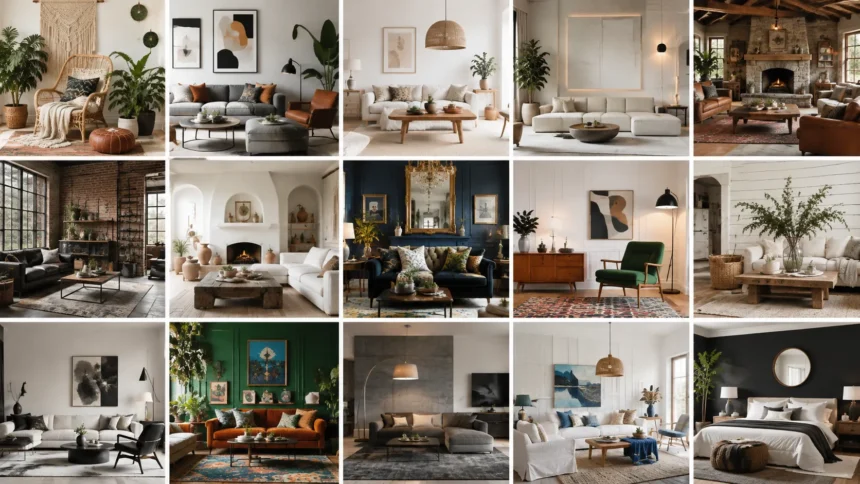
Choosing a home decor style can feel surprisingly difficult because many interiors now blend furniture, colors, materials, and influences from several design movements. You might love the warmth of rustic interiors, the simplicity of Scandinavian rooms, and the clean appearance of modern design at the same time. Understanding the most popular home decor styles helps you recognize what attracts you visually and makes decorating decisions far easier. Instead of purchasing individual pieces randomly, you can build a home that feels connected, comfortable, and intentionally designed.
Interior design styles are usually identified through a combination of color palettes, furniture shapes, architectural details, materials, patterns, lighting, and decorative accessories. Some styles emphasize simplicity and open spaces, while others celebrate layered textures, bold colors, or vintage details. Recognizing these characteristics allows homeowners to identify a design style even when two rooms contain completely different furniture. Learning the visual language behind each style also helps you understand why certain decorating combinations naturally work better together.
Modern homeowners are also becoming less interested in following one design category perfectly. Many attractive interiors combine complementary influences, such as modern farmhouse, Scandinavian minimalism, or contemporary coastal design. The key is understanding the foundations first so you can mix different interior decorating styles without making the room feel disconnected. Once you know which colors, materials, shapes, and decorative elements define each aesthetic, creating your own interpretation becomes much easier.
The following guide explores 15 popular interior design styles and explains the features that make each one recognizable. You will learn about furniture choices, color schemes, materials, textures, and decorative details that define every aesthetic. Whether you are furnishing a new home, refreshing one room, or simply trying to discover your decorating personality, these examples can provide practical inspiration. Use them as a starting point rather than strict rules, because the best interior ultimately reflects the people who live there.
1. Modern Interior Design
Modern interior design is recognized by clean lines, simple forms, functional furniture, and an overall sense of visual order. Despite the name, modern design does not simply mean whatever happens to be fashionable today. It primarily developed from design movements of the early to mid-20th century, when architects and designers emphasized functionality over elaborate decoration. Rooms usually feel uncluttered, open, and carefully organized rather than filled with unnecessary accessories.
A typical modern color palette includes white, black, gray, beige, brown, and other understated neutral shades. Natural materials such as wood, leather, stone, and metal are commonly incorporated to prevent the space from appearing cold. Furniture generally features straight lines, smooth surfaces, and low-profile silhouettes rather than carved details or ornate upholstery. Large windows and open floor plans are also common features because modern interiors often emphasize natural light and spaciousness.
You can identify modern home decor by looking for furniture and architectural elements that have simple geometric shapes. A streamlined sofa, rectangular coffee table, smooth cabinetry, and minimal shelving are stronger indicators than highly decorative objects. Accessories are usually limited to a few carefully chosen pieces, including abstract artwork, sculptural lighting, ceramic decor, or indoor plants. Every element normally has a clear visual or practical purpose within the room.
Modern interiors work particularly well for people who prefer organized spaces without excessive decoration or visual clutter. However, modern design does not have to feel stark or uncomfortable when natural textures and warm materials are included. Wood flooring, textured rugs, soft upholstery, and warm lighting can make these spaces much more inviting. If you appreciate simple furniture, neutral colors, functional layouts, and an uncluttered atmosphere, modern decor may suit your home perfectly.
2. Contemporary Home Decor
Contemporary interior design represents the styles, materials, colors, and decorating ideas that are popular in the present period. Unlike modern design, which refers to a specific historical design movement, contemporary decor constantly evolves as preferences and trends change. Today’s contemporary interiors often combine minimalist layouts with curved furniture, natural materials, statement lighting, and sophisticated neutral colors. The result typically feels polished, comfortable, and current without becoming overly decorative.
Contemporary color schemes frequently begin with warm neutrals such as cream, taupe, soft gray, beige, and earthy brown. Designers may then introduce deeper shades such as charcoal, olive, terracotta, navy, or muted burgundy through furniture and accessories. Natural wood, marble, glass, metal, textured fabrics, and stone frequently appear throughout contemporary spaces. These materials create visual interest while maintaining the clean and balanced appearance associated with the style.
One of the easiest ways to identify contemporary decor is through its combination of streamlined architecture and softer furniture forms. Curved sofas, rounded coffee tables, oversized pendant lights, sculptural chairs, and large abstract artwork are common examples. Rooms generally contain fewer decorative objects, but the pieces that are displayed tend to make a stronger visual statement. Lighting is especially important and frequently functions as decoration rather than simply providing illumination.
Contemporary decorating is ideal for homeowners who enjoy updated interiors but do not want to commit to a narrowly defined historical aesthetic. Because the style naturally evolves, it gives you flexibility to refresh furniture, artwork, and accessories as your preferences change. The most successful contemporary rooms balance current interior design trends with timeless materials and practical furniture. If your favorite interiors feel sophisticated, uncluttered, comfortable, and noticeably current, contemporary design may reflect your decorating taste.
3. Minimalist Interior Style
Minimalist interior design focuses on simplicity, functionality, quality, and the thoughtful use of space. Instead of decorating every available surface, minimalist rooms intentionally leave areas open so individual furniture pieces and architectural details can stand out. The philosophy behind minimalist decor is not simply owning fewer things but choosing items that genuinely serve a purpose. Successful minimalist spaces therefore feel calm, organized, and intentional rather than empty or unfinished.
Neutral colors dominate most minimalist home interiors, particularly white, cream, beige, soft gray, brown, and muted earth tones. Furniture tends to feature straightforward silhouettes without unnecessary ornamentation, while storage solutions keep everyday belongings out of sight. Natural materials such as wood, linen, cotton, stone, and wool help introduce warmth and texture. Carefully layered materials are especially important because they prevent simple neutral rooms from appearing flat or sterile.
You can identify minimalist decor by paying attention to what is absent as much as what is present. Countertops remain mostly clear, walls contain limited artwork, and decorative accessories are used sparingly rather than arranged in large collections. Furniture often provides built-in or concealed storage, allowing rooms to maintain a visually quiet atmosphere. Rather than displaying numerous small decorations, minimalist interiors might feature one large plant, a sculptural vase, or a single striking artwork.
People who enjoy calm surroundings and dislike excessive clutter often feel comfortable with minimalist interior decorating. Maintaining the aesthetic requires thoughtful purchasing habits because unnecessary objects can quickly disrupt the clean appearance. However, minimalist living does not require eliminating personality or sentimental belongings from your home. Instead, it encourages selective decoration, better organization, and intentional choices that allow your favorite objects to receive greater attention rather than competing with visual clutter.
4. Scandinavian Interior Design
Scandinavian design combines simplicity, functionality, comfort, and a strong connection with natural materials. Originating from Nordic countries, the style developed around creating bright and welcoming interiors despite long, dark winters. Scandinavian rooms usually feature practical furniture, light colors, clean lines, and comfortable textures rather than elaborate decoration. The overall atmosphere feels relaxed and approachable, making Scandinavian decor one of the most adaptable home design styles.
White and pale neutral shades frequently form the foundation of a Scandinavian color palette because they help reflect available natural light. Light-colored woods such as oak, ash, and pine commonly appear in flooring, furniture, shelving, and decorative accents. Soft textiles including wool blankets, linen curtains, woven rugs, and cotton cushions introduce warmth without overwhelming the simple design. Black details or muted earthy colors are sometimes incorporated to create subtle visual contrast.
Furniture is another easy way to recognize Scandinavian home decor because pieces often combine simple shapes with graceful proportions. Tapered wooden legs, rounded chair backs, streamlined sofas, and lightweight tables are common characteristics. Rooms generally contain practical storage and limited decorative accessories, although candles, ceramics, plants, books, and simple artwork frequently create a welcoming atmosphere. Natural light is maximized through minimal window treatments and carefully positioned furniture.
Scandinavian interiors are particularly appealing to people who want simplicity without the colder appearance sometimes associated with strict minimalism. The style values comfort just as strongly as visual organization, making cozy materials and everyday functionality essential. You can achieve the look gradually by simplifying your color palette, incorporating lighter woods, adding natural textiles, and reducing unnecessary accessories. If you enjoy bright, practical, peaceful, and comfortable interiors, Scandinavian decorating deserves serious consideration.
5. Industrial Home Decor
Industrial interior design draws inspiration from factories, warehouses, loft apartments, and other converted commercial spaces. Instead of hiding structural materials, the style often celebrates elements such as exposed brick, metal pipes, concrete surfaces, steel beams, and visible ductwork. Industrial interiors usually feel raw and architectural while still incorporating comfortable furniture and practical lighting. Their distinctive combination of unfinished materials and functional objects creates a strong urban character.
The typical industrial color palette centers around charcoal, black, brown, rust, gray, and other muted natural tones. Materials often provide more visual interest than color, with aged wood, exposed brick, concrete, leather, glass, iron, and steel appearing together. Furniture commonly has sturdy proportions and combines wood with dark metal frames or hardware. Distressed finishes and naturally aged surfaces are valued because imperfections contribute to the authentic industrial atmosphere.
You can often identify industrial decor by looking at ceilings, walls, lighting fixtures, and furniture construction. Large metal pendant lights, factory-style windows, open shelving, leather seating, reclaimed wood tables, and black-framed partitions are frequent features. Decorative objects may include vintage signs, oversized clocks, mechanical-inspired pieces, or large abstract artwork. Open floor plans also complement industrial interiors by referencing the expansive layouts commonly found in converted warehouses.
Although industrial rooms can appear rugged, balancing harder surfaces with comfortable materials prevents them from feeling harsh. A large fabric sofa, textured rug, indoor plants, upholstered chairs, and warm lighting can soften concrete, brick, and metal beautifully. You do not need an actual warehouse apartment to introduce industrial elements into your home either. Dark metal lighting, reclaimed wood furniture, exposed shelving, and understated colors can bring the aesthetic into conventional houses and apartments.
6. Mid-Century Modern Decor
Mid-century modern design became influential during the middle decades of the twentieth century and continues to inspire furniture and interiors today. The style combines functional design, uncluttered shapes, organic forms, and an optimistic approach to everyday living. Furniture is often the strongest visual feature because iconic mid-century pieces use distinctive curves, tapered legs, and streamlined silhouettes. Rooms generally feel stylish and carefully designed without appearing overly formal.
Warm woods such as walnut and teak are strongly associated with mid-century modern interiors, especially in cabinets, sideboards, coffee tables, and dining furniture. Neutral foundations are often combined with richer colors including mustard yellow, olive green, burnt orange, deep blue, and warm brown. Leather, glass, metal, molded plastic, and textured upholstery may also appear alongside wood. This combination creates an interesting balance between natural materials and innovative manufactured finishes.
Identifying mid-century modern decor becomes easier once you recognize characteristic furniture shapes. Sofas frequently sit on exposed tapered legs, storage cabinets have simple rectangular forms, and lounge chairs may include curved wooden frames. Starburst-inspired accessories, globe lighting, geometric patterns, and abstract artwork also frequently appear within the style. Large windows and connections between indoor and outdoor spaces reflect another important principle of mid-century residential architecture.
Mid-century modern decor suits homeowners who appreciate vintage character but still want interiors to feel clean and functional. Because many contemporary furniture brands continue producing pieces influenced by this era, achieving the look does not require collecting expensive antiques. A few recognizable furniture shapes combined with warm wood and carefully selected colors can establish the aesthetic successfully. Avoid filling every room with strongly themed objects, as subtle references generally produce a more timeless result.
7. Traditional Interior Design
Traditional interior design takes inspiration from established European furniture, architecture, and decorating traditions, creating rooms that feel elegant, balanced, and familiar. Unlike minimalist styles, traditional interiors welcome decorative details, layered fabrics, substantial furniture, and carefully arranged accessories. Symmetry is particularly important, with matching lamps, chairs, artwork, or side tables often positioned to create visual balance. The overall impression is usually polished, comfortable, and intentionally timeless.
Traditional color palettes vary considerably but often include warm neutrals combined with deeper shades such as navy, burgundy, forest green, cream, gold, or brown. Dark or medium-toned woods frequently appear in dining tables, cabinetry, bookcases, sideboards, and occasional furniture. Fabrics may feature florals, stripes, damask, checks, or other classic patterns. Upholstery, curtains, rugs, cushions, and decorative trims create layers that make traditional spaces feel rich and welcoming.
Furniture is generally more substantial than pieces found in modern or Scandinavian rooms, often featuring curved arms, turned legs, carved details, or upholstered backs. Architectural elements such as wall molding, paneling, fireplaces, decorative ceilings, and built-in cabinetry frequently reinforce the traditional aesthetic. Framed artwork, mirrors, table lamps, books, ceramics, and decorative objects are carefully arranged rather than minimized. Quality craftsmanship and visual balance remain central throughout the room.
Traditional decor works well for people who appreciate established design principles and interiors that feel refined without depending heavily on current trends. However, traditional rooms do not need to resemble historical museums or overly formal entertaining spaces. Mixing classic furniture with lighter colors, simpler window treatments, and fewer accessories can create a fresher interpretation often described as updated traditional. This approach keeps the elegance while making the home feel practical for modern everyday life.
8. Farmhouse Interior Style
Farmhouse decor emphasizes comfort, practicality, natural materials, and the relaxed character associated with rural homes. Although traditional farmhouses inspire the aesthetic, today’s farmhouse interiors range from rustic country rooms to streamlined modern farmhouse spaces. Wood furniture, simple fabrics, functional storage, and handmade-looking decorative pieces help create an approachable atmosphere. The style generally values warmth and livability over perfect finishes or overly sophisticated decoration.
White, cream, beige, soft gray, brown, and muted natural colors dominate many farmhouse interiors. Wood plays a significant role and may appear in floors, dining tables, cabinets, ceiling beams, open shelving, and decorative accessories. Cotton, linen, wicker, stone, ceramic, and galvanized metal can provide additional texture. Traditional farmhouse rooms may use distressed surfaces, while modern farmhouse versions usually feature cleaner finishes and stronger black accents.
Common farmhouse design features include large wooden dining tables, apron-front sinks, shaker-style cabinetry, woven baskets, simple pendant lighting, and comfortable upholstered seating. Open kitchen shelving and visible everyday objects can also contribute to the relaxed character. Decorative accents might include pottery, greenery, vintage-inspired objects, textured blankets, and understated wall decor. Black-framed windows and matte black hardware are particularly common in contemporary interpretations of farmhouse style.
The easiest mistake when decorating in farmhouse style is adding too many obvious themed accessories. Excessive signs, artificial distressed finishes, and repetitive rustic decorations can make a room feel staged rather than authentic. Instead, prioritize natural materials, functional furniture, comfortable textiles, and a small number of meaningful vintage or handmade pieces. A balanced farmhouse interior should feel as though it developed naturally over time rather than being assembled around a single decorating trend.
9. Bohemian Home Decor
Bohemian, commonly called boho, interior design celebrates creativity, individuality, global influences, layered textures, and relaxed decorating rules. Unlike highly coordinated styles, bohemian rooms often combine furniture, artwork, fabrics, plants, and objects collected from different periods and cultures. The aesthetic encourages personal expression rather than perfect matching, which makes every successful boho interior somewhat unique. Rooms generally feel informal, artistic, comfortable, and visually rich.
Bohemian color palettes can range from warm earthy neutrals to highly saturated jewel tones depending on the homeowner’s preference. Terracotta, mustard, rust, olive, teal, burgundy, cream, and warm brown are commonly used together. Natural materials such as rattan, bamboo, wood, jute, cotton, and linen provide an organic foundation. Patterned rugs, embroidered cushions, throws, woven wall hangings, and decorative ceramics add the characteristic layers associated with this decorating style.
Plants are particularly recognizable elements of bohemian interior decor because greenery adds both texture and a natural sense of abundance. Low seating, floor cushions, poufs, vintage furniture, woven baskets, and handmade objects also contribute to the relaxed atmosphere. Unlike minimalist spaces where accessories are intentionally restricted, boho rooms frequently display books, artwork, souvenirs, textiles, and personal collections. However, thoughtful arrangement still helps prevent the space from becoming visually overwhelming.
Bohemian decorating is particularly suitable for people who prefer flexibility and enjoy collecting meaningful objects rather than following strict design rules. You can personalize the style by emphasizing colors and materials that genuinely appeal to you instead of copying heavily layered inspiration images. Start with comfortable furniture and natural textures before gradually adding patterns, plants, artwork, and collected accessories. The result should feel expressive and lived-in while still providing enough organization for comfortable everyday living.
10. Coastal Interior Design
Coastal interior design takes inspiration from beaches, shorelines, sunlight, natural landscapes, and relaxed waterfront living. Modern coastal decor focuses more on atmosphere than obvious nautical themes, using airy spaces and organic materials instead of anchors, seashell collections, or decorative boats everywhere. Rooms are designed to feel bright, casual, and refreshing while maintaining comfortable everyday functionality. The visual connection with nature is one of the strongest characteristics of this style.
White, cream, sand, pale blue, muted green, and soft gray frequently appear in coastal color schemes. Designers often use white walls as a bright foundation before introducing subtle ocean-inspired colors through upholstery, artwork, rugs, or decorative accents. Light woods, rattan, wicker, linen, cotton, jute, and natural stone reinforce the relaxed appearance. Finishes generally feel matte, textured, and organic rather than glossy or heavily polished.
Furniture usually has comfortable proportions and casual fabrics, with slipcovered sofas and woven chairs appearing frequently in coastal rooms. Lightweight curtains allow natural light to enter, while open layouts help reinforce the spacious atmosphere. Woven pendant lights, large plants, ceramic vessels, landscape artwork, and textured rugs can provide visual interest without making the theme overly literal. Weathered or pale wood finishes may also reference materials naturally affected by sun and sea.
You do not need to live near the coast to use coastal home decor successfully. The essential qualities are brightness, simplicity, comfort, natural textures, and a restrained palette rather than direct references to marine objects. Keeping surfaces relatively uncluttered allows light and materials to become the primary decorative elements. If you enjoy peaceful rooms that feel casual, fresh, and naturally connected to outdoor environments, coastal design can work beautifully in almost any location.
11. Rustic Interior Style
Rustic interior design emphasizes natural beauty, handcrafted character, aged materials, and a strong sense of warmth. Rather than hiding imperfections, rustic interiors celebrate visible wood grain, knots, stone variations, and other characteristics produced by natural materials. Furniture often feels substantial and durable, while architectural features may include exposed beams, stone fireplaces, or wide-plank flooring. The result creates an inviting connection to cabins, countryside houses, and natural landscapes.
Warm browns, beige, cream, gray, forest green, and other earthy colors usually dominate rustic decorating palettes. Reclaimed or roughly finished wood is one of the most recognizable materials and may appear in furniture, walls, ceilings, doors, or shelving. Natural stone, leather, wool, linen, iron, and woven fibers provide additional layers of texture. These materials usually work best when allowed to show their natural variations rather than being heavily polished or concealed.
Rustic furniture generally features straightforward construction, sturdy proportions, and finishes that emphasize craftsmanship over perfect uniformity. Large wood dining tables, leather chairs, chunky coffee tables, open shelving, woven baskets, and textured rugs are common choices. Lighting might include iron chandeliers, lantern-inspired fixtures, or simple metal pendants. Decorative items tend to reference nature or traditional craftsmanship through pottery, wooden objects, greenery, vintage pieces, and handmade textiles.
Although rustic interiors embrace rougher textures, too many heavy materials can make smaller rooms feel dark or visually crowded. Combining rustic wood with lighter walls, simple upholstery, and generous natural light creates a more balanced interpretation. Modern rustic interiors frequently use this technique by pairing traditional materials with cleaner furniture and restrained decoration. If you prefer interiors that feel authentic, warm, tactile, and connected to natural surroundings, rustic design can provide lasting appeal.
12. Art Deco Interior Design
Art Deco interior design is known for glamour, geometric patterns, luxurious materials, dramatic contrasts, and confident visual statements. The movement became particularly influential during the 1920s and 1930s, shaping architecture, furniture, fashion, and decorative arts. Unlike styles centered on rustic simplicity, Art Deco embraces sophistication and deliberate ornamentation. Interiors often feel theatrical and polished while still maintaining strong geometric organization.
Common Art Deco colors include black, white, gold, emerald green, deep blue, burgundy, blush, and rich jewel tones. Materials such as brass, chrome, glass, lacquer, velvet, marble, and polished wood contribute to the luxurious appearance. Reflective finishes are especially effective because mirrors and metallic surfaces enhance the sense of glamour. Bold contrasts between dark and light surfaces frequently create additional drama within the room.
Geometric motifs are among the easiest ways to identify Art Deco decor, particularly fan shapes, stepped patterns, arches, sunbursts, and symmetrical designs. Furniture may feature curved silhouettes, glossy finishes, channel-tufted upholstery, and metallic details. Statement chandeliers, decorative mirrors, sculptural lamps, patterned flooring, and dramatic artwork frequently become focal points. Symmetry often keeps these bold decorative features looking sophisticated rather than chaotic.
You can introduce Art Deco style without turning your entire home into a historical recreation. A velvet chair, geometric mirror, brass light fixture, marble table, or patterned rug can provide recognizable character within a contemporary room. Limiting yourself to a few luxurious finishes usually creates a more balanced and livable result. Art Deco works particularly well for homeowners who appreciate interiors that feel glamorous, artistic, structured, and noticeably more decorative than minimalist spaces.
13. Japandi Interior Design
Japandi decor combines principles associated with Japanese interiors and Scandinavian design, emphasizing simplicity, natural materials, craftsmanship, and peaceful living. Both design traditions appreciate functional furniture, thoughtful organization, and a strong connection to nature, which makes their combination particularly harmonious. Japandi rooms are minimal without feeling sterile because tactile materials and warmer colors add comfort. Every object is generally selected carefully rather than included simply to fill empty space.
The typical Japandi color palette includes warm white, beige, taupe, soft gray, brown, charcoal, muted green, and earthy natural shades. Light Scandinavian woods may be combined with darker Japanese-inspired timber to introduce subtle contrast. Stone, bamboo, linen, clay, paper, wool, and handmade ceramics provide additional texture. Instead of bright accent colors, variations in natural materials usually create visual interest throughout the room.
Furniture often sits relatively low and features simple shapes, clean craftsmanship, and minimal ornamentation. Rooms remain uncluttered, but they may include carefully placed ceramics, branches, plants, handmade objects, or understated artwork. Storage plays an important role because unnecessary household items are generally concealed rather than permanently displayed. Lighting remains soft and atmospheric, contributing to the sense of calm and balance that defines the aesthetic.
Japandi interior design is ideal for people attracted to minimalist spaces who still want their homes to feel warm and grounded. Unlike trend-driven decorating, the aesthetic encourages buying fewer but better-quality pieces that can remain useful for many years. Natural imperfections and handmade materials are appreciated rather than hidden, giving the space quiet personality. If you value simplicity, craftsmanship, functionality, and peaceful surroundings, Japandi can provide an especially timeless decorating direction.
14. Eclectic Interior Design
Eclectic interior design intentionally combines furniture, artwork, colors, patterns, and influences from several different decorating styles. However, successful eclectic rooms are not random collections of unrelated objects. Designers create cohesion by repeating colors, materials, shapes, or visual themes throughout the space. This balance between variety and consistency allows eclectic interiors to feel expressive without appearing disorganized.
An eclectic color palette can be neutral or vibrant, but establishing several recurring colors usually helps unify different furniture styles. For example, a vintage wooden cabinet, contemporary sofa, traditional rug, and modern artwork can coexist when similar tones appear throughout the arrangement. Mixing old and new pieces often makes the room feel collected gradually instead of purchased as a matching set. Textures and patterns are commonly layered to add depth and personality.
You can identify eclectic home decor through unexpected combinations that still share visual relationships. A mid-century chair might sit beside an antique table, while modern artwork hangs above a traditional patterned rug. Collections, books, handmade accessories, inherited furniture, and travel pieces frequently contribute to the personal atmosphere. Rather than following the rules of one style, eclectic decorating allows homeowners to select individual elements they genuinely enjoy.
The greatest challenge with eclectic interiors is preventing visual clutter from overpowering the room. Begin with a consistent foundation such as a defined color palette, repeating wood tones, or similar furniture proportions. Then introduce contrasting pieces gradually while maintaining enough empty space around important objects. Eclectic design is particularly effective for people whose tastes span several interior styles because it allows those preferences to coexist within a thoughtful and personally meaningful environment.
15. Transitional Interior Design
Transitional interior design combines the comfort and elegance of traditional interiors with the cleaner shapes and restrained decoration associated with contemporary design. It is particularly popular among homeowners who find traditional spaces too formal but consider highly modern interiors too minimal. Transitional rooms usually feature timeless furniture, neutral colors, subtle textures, and balanced layouts. The overall appearance feels sophisticated without becoming strongly connected to a particular historical period or trend.
Neutral shades including cream, beige, taupe, gray, warm white, navy, and brown frequently create the foundation of transitional color schemes. Instead of relying heavily on bright patterns, designers introduce interest through texture, materials, and carefully selected decorative accents. Wood, stone, metal, linen, wool, leather, and upholstered fabrics can all appear together. Finishes tend to be refined but not excessively ornate, helping bridge the gap between traditional and contemporary aesthetics.
Furniture is usually comfortable and generously proportioned while maintaining relatively clean silhouettes. You might see a classic upholstered sofa combined with streamlined side tables, contemporary lighting, and understated artwork. Architectural details such as molding or paneling may remain, but they are often paired with simpler furnishings and modern accessories. This controlled combination of old and new elements is one of the easiest ways to recognize transitional interior design.
Transitional decor is an excellent choice if you want a home that can evolve without requiring major redesign whenever decorating trends change. Because the foundation relies on timeless colors and adaptable furniture, accessories can be refreshed relatively easily. The aesthetic also works well when a household includes people with different decorating preferences, since traditional and modern elements naturally coexist. If you prefer polished, comfortable, balanced interiors without extreme styling, transitional design provides considerable flexibility.
How to Identify Your Personal Home Decor Style
Finding your personal home decor style begins with noticing patterns in the rooms, furniture, colors, and materials you repeatedly appreciate. Save photographs of interiors that immediately attract your attention without worrying about design terminology at first. After collecting several examples, compare them to identify repeating features such as warm wood, neutral walls, vintage furniture, colorful textiles, or minimal decoration. Those recurring details often reveal your strongest decorating preferences more accurately than choosing a style based solely on its name.
Consider the atmosphere you want your home to create as well as its visual appearance. Some homeowners want their interiors to feel calm and uncluttered, while others prefer cozy, dramatic, artistic, elegant, or casual spaces. Your lifestyle also matters because a beautiful room still needs to accommodate children, pets, entertaining, storage, hobbies, and everyday routines. The most suitable interior design style should improve the way your home functions rather than making normal life unnecessarily difficult.
You may discover that your preferences do not fit perfectly into one category, which is completely normal. Many personalized homes combine two or three complementary aesthetics, such as Scandinavian and mid-century modern, rustic and contemporary, or traditional and modern. When blending styles, maintain several consistent elements such as color, wood tone, furniture scale, or material selection. These repeated details create visual continuity even when individual pieces come from different design traditions.
Before purchasing expensive furniture, experiment with smaller changes that help confirm whether an aesthetic truly works for you. Try new cushion covers, artwork, paint samples, lamps, rugs, plants, or decorative accessories before redesigning an entire room. Living with these elements can reveal whether you enjoy the style beyond photographs and inspiration boards. Building your home gradually also creates a more personal result because each decision reflects your actual preferences rather than a temporary interior decorating trend.
How to Mix Different Interior Design Styles Successfully
Mixing multiple home decor styles works best when one aesthetic provides the dominant foundation while another supplies supporting details. For example, you could create a mostly contemporary living room and introduce several mid-century furniture pieces rather than dividing the room equally between unrelated themes. Establishing a dominant style creates visual direction and makes secondary influences appear intentional. Without a clear foundation, too many competing elements may cause the room to feel confusing.
Color is one of the easiest tools for connecting furniture from different design periods. A traditional chair and contemporary sofa can look surprisingly harmonious when their upholstery relates to the same overall palette. Repeating materials creates similar continuity, whether through brass accents, warm wood tones, black metal details, or natural fabrics. These repeated visual connections allow individual objects to differ in style while still belonging within the same interior.
Scale and proportion should also remain relatively consistent when combining different decorating aesthetics. A delicate vintage side table may look awkward beside an extremely oversized modern sofa unless additional elements help bridge the difference. Furniture does not need identical proportions, but pieces should feel visually balanced within the architecture and available space. Leaving enough breathing room between statement items prevents diverse designs from competing too aggressively for attention.
Most importantly, avoid purchasing every decorative item associated with each style you enjoy. A few recognizable elements usually communicate an aesthetic more effectively than excessive themed decoration. Mixing styles should make a home feel more personal, not create a showroom containing examples from several design categories. Select furniture and accessories based on comfort, quality, usefulness, and personal meaning first, then use design principles to create harmony between them.
Final Thoughts
Learning about popular home decor styles gives you a useful vocabulary for understanding what makes certain interiors visually appealing. Modern, Scandinavian, bohemian, traditional, industrial, coastal, Japandi, farmhouse, and other aesthetics each rely on recognizable combinations of materials, colors, furniture, and decorative details. Once you understand these characteristics, browsing furniture stores, planning renovations, and collecting inspiration becomes much easier. You can quickly identify which elements support your preferred atmosphere and which ones may feel out of place.
Remember that interior design styles should function as helpful frameworks rather than strict rules. Your home does not need to match every characteristic associated with a particular aesthetic to look intentional. Some of the most interesting interiors combine influences from multiple periods while maintaining consistency through color, materials, and scale. Personal belongings, inherited furniture, artwork, books, and everyday objects can also give your rooms personality that cannot be reproduced through trends alone.
Before redesigning a room, think carefully about your lifestyle, available space, existing furniture, maintenance preferences, and realistic budget. A beautiful interior should support your daily activities and remain comfortable long after the initial decorating excitement disappears. Choose durable foundational pieces first and introduce trend-driven accessories more selectively. This approach makes future updates easier while creating an interior that remains visually cohesive for longer.
Ultimately, identifying your decorating style is less about finding the perfect label and more about understanding what makes you feel comfortable at home. Pay attention to the colors, textures, furniture shapes, and environments you repeatedly enjoy, then use those preferences as your decorating guide. Whether your taste is minimalist, eclectic, traditional, coastal, or a combination of several styles, consistency and thoughtful choices matter most. A successful home should look considered while still feeling unmistakably personal to the people who live there.
Frequently Asked Questions
What are the most popular home decor styles?
Popular home decor styles include modern, contemporary, minimalist, Scandinavian, farmhouse, mid-century modern, bohemian, traditional, coastal, industrial, rustic, Japandi, eclectic, transitional, and Art Deco. Each can be recognized through specific colors, furniture forms, materials, and decorative details.
How do I know what my interior design style is?
Save images of rooms you naturally like and look for repeating colors, materials, furniture shapes, and overall moods. If the same characteristics appear repeatedly, they can help reveal whether your preference is modern, traditional, bohemian, Scandinavian, or another style.
Can I combine two different home decor styles?
Yes. Mixing two or more interior styles can make a home feel more personal when there is a consistent color palette, material, or visual theme connecting them. Choose one style as the foundation and use the second style through selected furniture and accessories.
What home decor style is the easiest to maintain?
Minimalist, Scandinavian, contemporary, and transitional interiors can be relatively easy to maintain because they usually use limited accessories and practical furniture. However, the easiest style ultimately depends on your lifestyle, storage needs, household size, and preferred level of decoration.
What decorating style is timeless?
Traditional, transitional, Scandinavian, and well-balanced modern interiors often remain appealing because they rely on functional layouts, quality furniture, natural materials, and restrained colors. Choosing durable pieces you genuinely like is usually more effective than trying to avoid every changing design trend.