
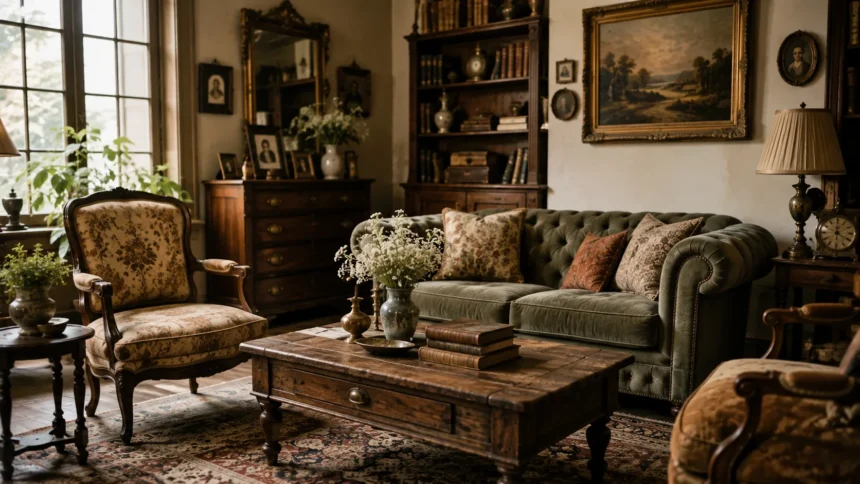
Vintage Home Decor Ideas for a Timeless Interior
Vintage home decor has a special ability to make a house feel collected, personal, and full of character rather than freshly assembled from a showroom. Instead of relying entirely on current trends, vintage interiors blend furniture, accessories, artwork, textiles, and architectural details that reflect different periods and stories. The result can feel warm, familiar, and sophisticated without becoming outdated. When carefully styled, vintage elements can work beautifully in modern apartments, traditional homes, cottages, and even minimalist spaces.
One reason vintage home decor ideas remain so appealing is that they encourage individuality. An old wooden cabinet, inherited mirror, antique lamp, patterned rug, or secondhand dining table can immediately give a room personality that mass-produced pieces often cannot provide. These objects may show natural wear, variations in color, or handmade details that make them visually interesting. Instead of hiding age, vintage decorating often celebrates it as part of the charm.
A timeless vintage interior does not require turning your home into a museum or filling every room with antiques. The most successful spaces usually combine older pieces with comfortable modern furniture, practical storage, updated lighting, and fresh textiles. This balance makes the home easier to live in while preserving the warmth and craftsmanship associated with traditional interiors. A few carefully chosen vintage features can often create more impact than an entire room filled with heavily themed decor.
This guide explores practical ways to create a stylish vintage-inspired home using color, furniture, wall decor, lighting, fabrics, accessories, and architectural details. You will also learn how to blend vintage and modern pieces, avoid common decorating mistakes, and create rooms that feel timeless rather than overly nostalgic. Whether you are starting with inherited furniture or shopping secondhand, these ideas can help you build an interior that feels layered, elegant, and genuinely personal.
Start With a Warm and Timeless Color Palette
Color plays an important role in creating a vintage atmosphere because older interiors often relied on warmer, more layered shades than highly minimalist contemporary rooms. Cream, ivory, warm beige, muted green, dusty blue, terracotta, deep brown, burgundy, and soft gold can all create a strong foundation. These tones provide enough depth to support antique furniture and patterned textiles without making the room feel visually heavy.
Rather than using one color everywhere, build the palette gradually through walls, upholstery, curtains, rugs, and accessories. A warm cream wall can complement a walnut cabinet, olive velvet chair, faded floral rug, and brass lamp beautifully. Repeating similar undertones across several materials creates harmony even when the individual pieces come from different periods. This is especially useful when combining inherited furniture with newer purchases.
Darker shades can be introduced selectively to give the room a richer and more traditional character. Deep green cabinetry, navy walls, chocolate brown furniture, or burgundy accents can create drama when balanced with lighter surfaces and natural light. If your home is small, use these colors on one wall, furniture piece, or textile rather than covering every surface. This creates depth without making the room feel enclosed.
Before choosing paint, consider the colors already present in vintage furniture and flooring. Older wood often has warm red, amber, or brown undertones that may clash with very cool gray walls. Test several shades next to existing pieces before committing. A thoughtful palette can make vintage and modern elements feel naturally connected instead of looking like items from unrelated decorating styles.
Build the Room Around One Statement Vintage Piece
A large vintage piece can become the visual anchor of an entire room. An antique sideboard, carved dresser, farmhouse table, leather armchair, armoire, or vintage writing desk can provide immediate character without requiring excessive decoration. Starting with one significant object also makes the decorating process easier because you can select colors, lighting, and accessories that complement its material and period.
Choose statement pieces that are both visually appealing and useful. A beautiful cabinet that provides storage contributes more to everyday life than an object purchased purely because it looks old. Vintage dining tables, bookcases, dressers, and sideboards are especially practical because their craftsmanship and proportions often allow them to remain relevant even when surrounding decor changes.
Natural wear can add charm, but condition still matters. Check drawers, doors, joints, upholstery, and structural stability before purchasing secondhand furniture. Minor scratches or faded finishes can be attractive, while severe damage may require expensive repairs. Distinguishing between patina and deterioration helps you avoid buying pieces that become more trouble than they are worth.
Once the statement item is in place, give it enough visual space to stand out. Avoid surrounding an ornate antique cabinet with numerous smaller decorative objects competing for attention. A simple lamp, framed artwork, or ceramic vase may be enough. Vintage furniture becomes more elegant when treated as a focal point rather than buried inside excessive styling.
Mix Vintage Furniture With Modern Pieces
A timeless interior often looks more natural when vintage furniture is mixed with newer pieces instead of recreating one historical period exactly. A traditional wooden chest can sit beside a streamlined sofa, while an antique dining table can be paired with simpler contemporary chairs. This contrast prevents the home from feeling overly themed and makes older furniture easier to integrate into everyday living.
The key is finding visual connections between old and new. Color, wood tone, scale, shape, or material can help pieces relate to each other even when their styles differ. A modern cream sofa may work beautifully beside a vintage walnut table because the warm neutral upholstery allows the wood to become the focal point. Repeating walnut elsewhere can strengthen the connection.
Keep the overall proportions balanced. A delicate antique side table may look awkward beside a very oversized sectional, while a substantial vintage cabinet can overwhelm extremely minimal furniture. You do not need identical scales, but the pieces should feel visually stable within the same room. Testing layouts before buying can prevent proportion problems later.
Avoid trying to make every vintage piece match perfectly. Homes that appear collected over time often feel more interesting than interiors built entirely from coordinated sets. A mix of eras can work when the palette and materials remain controlled. This approach allows sentimental objects, flea-market finds, and newer furniture to coexist without making the room feel chaotic.
Use Antique and Vintage Mirrors to Add Character
Mirrors are one of the easiest vintage elements to incorporate because they provide both decoration and function. Ornate gold frames, aged wood, beveled glass, and antique-inspired shapes can create instant visual interest on an otherwise simple wall. A vintage mirror can work in entryways, bedrooms, bathrooms, living rooms, and dining spaces, making it one of the most versatile decorating pieces.
Large mirrors can also help older-style interiors feel brighter. Positioning one near a window allows it to reflect natural light deeper into the room, balancing darker woods and richer colors. This is particularly useful if you enjoy traditional furniture but do not want the space to feel heavy. Mirrors can therefore provide both vintage charm and practical visual openness.
Consider the condition of genuinely old mirrors before purchasing them. Slight aging or foxing around the glass can add character, but excessive deterioration may reduce usefulness. If you prefer a cleaner reflection, you can retain an antique frame while replacing the glass. This preserves the decorative value while improving everyday function.
Avoid covering every wall with ornate mirrors simply because they fit the theme. One strong piece usually creates more impact than several competing frames. Place it above a console, fireplace, vanity, or sideboard where it can relate to furniture below. Thoughtful positioning makes the mirror feel integrated rather than added purely as decoration.
Decorate With Vintage Artwork and Prints
Artwork is an effective way to introduce vintage character without purchasing large pieces of furniture. Botanical illustrations, landscapes, portraits, architectural drawings, old maps, still-life paintings, and black-and-white photography can all give walls a more collected appearance. The artwork does not need to be extremely valuable or historically important to create visual interest.
Frames can influence the vintage effect just as much as the artwork itself. Warm wood, antique brass, gold, black, and distressed finishes can make simple prints feel more established. Mixing several frame styles can work beautifully in a gallery wall when the overall palette remains cohesive. Repeating one or two finishes helps prevent the arrangement from becoming too random.
Secondhand stores and flea markets can be excellent places to find framed art at reasonable prices. Sometimes the frame itself is more valuable stylistically than the print inside it. You can replace outdated artwork while keeping a well-made frame. This gives you more flexibility to create a personalized collection without relying entirely on newly manufactured decor.
Do not feel obligated to fill every wall. A single large vintage painting above a sofa or console can create a stronger focal point than many small pieces. If you do create a gallery wall, plan the arrangement before hanging anything. Balanced spacing and varied scale can make the display feel intentional while still preserving the layered character of vintage decorating.
Bring In Classic Patterns Through Textiles
Patterns are an important part of vintage interiors because they add richness and visual history to otherwise simple rooms. Florals, stripes, checks, paisley, damask, toile, and traditional geometric motifs can all work depending on the period and mood you prefer. The key is using pattern strategically rather than applying strong designs to every surface.
Begin with one dominant patterned textile, such as a rug, curtain, upholstered chair, or bedspread. Then support it with smaller patterns or solid fabrics in related colors. A floral rug could be paired with striped cushions and plain linen curtains, for example. Keeping the color palette connected allows several designs to coexist without making the space feel overwhelming.
Vintage and antique rugs are especially effective because they add both pattern and age. Faded reds, blues, greens, browns, and creams can create a sense of depth even in otherwise modern rooms. Slight wear may enhance the character, but check the rug carefully for structural damage or odors before bringing it into your home.
Pattern can also be introduced through smaller accessories if you prefer a more restrained interior. Cushion covers, lampshades, table runners, and framed textiles can add traditional detail without becoming permanent commitments. This makes it easier to adjust the room over time while maintaining the overall vintage atmosphere.
Add Vintage Rugs for Warmth and Depth
A well-chosen rug can immediately make a room feel more established and layered. Traditional Persian-style rugs, faded oriental patterns, kilims, and classic floral designs work particularly well in vintage-inspired interiors. Their complex colors can connect furniture pieces that might otherwise feel unrelated, making them useful when mixing several wood tones or eras.
Scale matters just as much as pattern. In a living room, choose a rug large enough to connect the main seating arrangement instead of floating beneath the coffee table. In dining areas, allow enough room for chairs to remain on the rug when pulled out. Proper scale makes vintage patterns feel elegant rather than visually busy.
Older rugs naturally show variation and wear, which can contribute to the timeless look. However, inspect edges, backing, staining, and areas of heavy damage before purchasing. Professional cleaning may be worthwhile for valuable secondhand rugs. A worn appearance can be charming, but deterioration that continues to worsen may not be practical.
If authentic vintage rugs are outside your budget, choose new rugs with traditional patterns and softened colors rather than highly artificial distressing. The goal is to create visual warmth and heritage, not to make every item appear artificially old. A thoughtful pattern and natural texture can achieve the effect without pretending the piece is antique.
Use Vintage Lighting as a Decorative Feature
Lighting can completely change the mood of a vintage interior. Brass lamps, glass pendants, pleated shades, chandeliers, milk-glass fixtures, wall sconces, and ceramic table lamps can add personality while providing practical illumination. Older lighting often has sculptural forms that make even simple rooms feel more distinctive.
Layer several types of lighting rather than relying solely on one ceiling fixture. Table lamps can create warmth beside sofas and beds, while sconces can highlight artwork or architectural details. Floor lamps can illuminate reading areas, and chandeliers can define dining or living spaces. Multiple light sources create a softer and more comfortable evening atmosphere.
When buying genuine vintage fixtures, safety should be a priority. Older wiring may need professional inspection or replacement before installation. Rewiring can allow you to enjoy the original shade or structure while meeting modern electrical standards. Never assume an old lamp is safe simply because it still turns on.
Warm bulbs usually suit vintage interiors better than extremely cool lighting because they complement wood, brass, textiles, and warmer paint colors. Consider dimmers where possible so lighting levels can change throughout the day. The right lighting can make older furniture and decorative materials appear richer while creating a more relaxed atmosphere.
Decorate With Brass, Bronze, and Aged Metal
Metal finishes are an easy way to add traditional character without making major structural changes. Brass, bronze, iron, copper, and aged nickel can appear through lighting, cabinet hardware, curtain rods, picture frames, candleholders, trays, and furniture details. These finishes bring warmth and subtle contrast to rooms dominated by wood and fabric.
Brass works particularly well in vintage interiors because it pairs naturally with warm neutrals, dark wood, green, burgundy, navy, and cream. Highly polished brass can feel more formal, while aged or brushed finishes create a softer appearance. Choose the finish according to whether you want the room to feel elegant, rustic, or casually collected.
You do not need to match every metal exactly. A room can include brass lamps, black iron furniture legs, and an aged bronze mirror when the finishes repeat thoughtfully. Limiting the number of metals in one visual area prevents the room from becoming inconsistent. Repetition is more important than perfect matching.
Small hardware changes can make a surprisingly large difference. Replacing generic cabinet handles with vintage-inspired brass or ceramic pulls can give simple furniture more character. This is particularly useful when updating secondhand pieces. A modest hardware change can transform a plain dresser or sideboard without requiring a full restoration.
Style Shelves With Books and Collected Objects
Books are naturally suited to vintage interiors because they add color, texture, and a sense of history. Old hardcovers, art books, travel guides, and inherited collections can make shelves feel more personal than decorative objects purchased solely for styling. Books can also be stacked horizontally to create different heights for smaller accessories.
Mix books with ceramics, framed photographs, clocks, small sculptures, boxes, and other meaningful objects. The arrangement should feel layered without becoming crowded. Leaving some open space helps each item remain visible. Vintage styling works best when shelves feel collected over time rather than filled simply because empty space exists.
Use objects with different heights and shapes to create balance. A tall vase can sit beside a stack of books, while a framed photograph adds a flat vertical element. Repeating similar colors or materials across several shelves creates cohesion. This allows eclectic collections to feel organized even when the objects come from different eras.
Avoid purchasing large amounts of artificial “vintage” decor simply to fill shelves. Personal objects, family pieces, secondhand finds, and books usually create a more convincing result. A small collection with real meaning can make the room feel richer than dozens of generic accessories designed to imitate age.
Bring Vintage Charm Into the Living Room
The living room is an ideal place to combine vintage and modern elements because it naturally contains several furniture pieces and decorative layers. Begin with comfortable seating and introduce older character through a coffee table, sideboard, rug, lamp, artwork, or accent chair. This creates visual interest without sacrificing everyday comfort.
A vintage leather chair or wooden cabinet can become a strong focal point beside a simple contemporary sofa. Traditional rugs can soften clean-lined furniture, while antique lamps create a warmer evening atmosphere. The goal is balance. Too many ornate pieces can make the room feel busy, while one or two vintage anchors can create just enough character.
Use textiles to connect different eras. Linen curtains, patterned cushions, wool throws, and traditional rugs can bridge modern upholstery with older wooden furniture. Repeating colors from the rug in cushions or artwork can make the entire room feel intentionally coordinated. These small connections are especially helpful when individual pieces have different styles.
Keep practical comfort at the center of the design. Coffee tables should remain usable, seating should feel comfortable, and storage should support everyday life. A vintage-inspired living room should feel welcoming and functional, not like a space where people are afraid to touch anything.
Create a Vintage-Inspired Bedroom
Bedrooms work especially well with vintage decor because softer colors, layered textiles, and traditional furniture naturally create a restful atmosphere. Begin with a bed that provides a strong focal point, such as a wooden frame, upholstered headboard, or metal bed inspired by older designs. Keep the surrounding furniture simple enough that the bed remains visually important.
Vintage bedside tables do not need to match perfectly. Two different wooden tables can still feel balanced if they have similar heights or colors. Adding traditional lamps, small framed artwork, and books can strengthen the character. This approach often feels more relaxed and personal than purchasing an identical bedroom set.
Layer bedding with natural fabrics and subtle patterns. Linen, cotton, quilts, embroidered cushions, and textured throws can create warmth without making the bed overly formal. Floral or striped patterns can work beautifully when the colors remain controlled. Choose bedding that remains comfortable and easy to maintain rather than arranging decorative layers purely for appearance.
Storage pieces such as antique dressers, trunks, or wardrobes can add both function and character. If older furniture requires restoration, preserve original details where practical rather than completely removing its history. Updated hardware or a carefully repaired finish may be enough to make the piece suitable for modern use.
Give the Dining Room a Timeless Vintage Look
A vintage dining room can feel elegant without becoming overly formal. A solid wood dining table is one of the strongest foundations because it provides both visual warmth and everyday function. Antique farmhouse tables, pedestal designs, and traditional rectangular tables can work in both older and contemporary homes.
Dining chairs do not always need to match the table perfectly. A traditional table can be paired with simpler upholstered or wooden chairs to create a more relaxed look. Mixing chair styles carefully can make the room feel collected over time. Keep the seat heights and proportions consistent enough for comfortable dining.
Lighting can strengthen the vintage atmosphere dramatically. A chandelier, brass pendant, or glass fixture positioned above the table creates a clear focal point. Use warm lighting and select a fixture proportionate to the table. Oversized lighting can overwhelm the room, while a very small fixture may disappear visually.
Keep tabletop styling simple enough for normal use. A ceramic bowl, candleholders, floral arrangement, or linen runner may provide enough decoration. Vintage rooms often look strongest when practical objects are attractive in their own right. The dining space should encourage meals and conversation rather than requiring constant restyling.
Bring Vintage Style Into the Kitchen
Vintage kitchens can feel especially welcoming because traditional materials naturally suit everyday activities such as cooking, gathering, and storage. You can introduce the style through wood cabinetry, open shelves, brass hardware, ceramic accessories, patterned textiles, and classic lighting. A complete renovation is not necessary to create a noticeable change.
Open shelving can display useful items such as pottery, glassware, cookbooks, and wooden boards. Keeping these objects functional prevents the shelves from becoming purely decorative clutter. Group similar items together and leave enough space for the display to remain easy to clean and use.
Hardware is another affordable way to introduce vintage character. Brass knobs, cup pulls, ceramic handles, and antique-inspired fixtures can make existing cabinetry feel more traditional. Pairing these details with warm paint colors or natural wood can create a stronger effect without replacing the cabinets entirely.
Avoid sacrificing modern convenience in an attempt to make the kitchen look historically accurate. Efficient appliances, durable countertops, practical storage, and good lighting should remain priorities. The most successful vintage kitchens combine traditional visual character with modern performance and easy maintenance.
Add Vintage Personality to the Bathroom
Bathrooms can incorporate vintage style through relatively small design choices. Traditional mirrors, brass fixtures, classic wall sconces, patterned floor tiles, pedestal sinks, and wooden vanities can all introduce character. Even one or two of these elements can transform a plain bathroom without creating an overly themed appearance.
A vintage mirror is often the easiest starting point because it immediately draws attention. Pairing an ornate or aged frame with a simple vanity creates an attractive contrast. Traditional lighting placed on either side can strengthen the effect while improving functional illumination around the mirror.
Textiles provide another opportunity for softer vintage detail. Choose simple striped, floral, or embroidered towels and shower curtains in muted colors. Natural baskets, ceramic containers, and small framed artwork can add additional warmth. Keep the number of accessories limited because bathrooms can quickly become cluttered.
Make sure decorative choices remain practical in humid conditions. Certain antique wood pieces may need proper sealing, while old electrical fixtures should be professionally evaluated. Vintage styling should never compromise safety or durability. Combining classic aesthetics with modern materials often produces the best long-term result.
Use Wallpaper to Create a Vintage Mood
Wallpaper can introduce pattern, color, and historical character in a way that paint alone cannot. Floral prints, botanical motifs, stripes, geometric patterns, and traditional damask designs can all support vintage interiors. The right pattern can make an ordinary room feel significantly more distinctive.
You do not need to wallpaper every wall. A feature wall behind a bed, dining area, or console can create enough visual impact. Smaller spaces such as powder rooms, entryways, or reading nooks can also handle stronger patterns because the limited area makes them feel intentional rather than overwhelming.
Choose colors that relate to your existing furniture. A wallpaper containing muted green, cream, and brown can connect beautifully with wood furniture and brass accents. Avoid selecting a pattern in isolation. Samples should be viewed beside flooring, upholstery, and lighting before making a final decision.
If you enjoy the look but are hesitant about commitment, removable wallpaper can provide a flexible alternative. It can be especially useful in rental properties or when experimenting with bolder patterns. The visual goal remains the same: introducing a sense of history and decorative depth without overwhelming the architecture.
Display Vintage Ceramics and Glassware
Ceramics and glassware can add subtle vintage character through color, shape, and craftsmanship. Stoneware, porcelain, transferware, colored glass, and hand-painted pieces can work beautifully on shelves, dining tables, cabinets, or kitchen displays. These objects are especially effective because many can remain practical rather than purely decorative.
Collect pieces gradually instead of purchasing a complete matching set immediately. Different shapes and patterns can create a more authentic collected look when they share similar colors or materials. A group of cream ceramics, for example, can include pieces from several periods while still feeling visually cohesive.
Display collections in concentrated areas. A glass-front cabinet or open shelf can showcase multiple objects without spreading them across the entire home. Grouping creates stronger impact and reduces visual clutter elsewhere. It also makes the collection easier to maintain and appreciate.
Use older tableware carefully if you are uncertain about its safety for food use. Some antique ceramics may contain materials or glazes that are better suited to display than everyday dining. When functionality is important, use newer pieces with vintage-inspired designs alongside genuinely old decorative objects.
Incorporate Vintage Trunks, Suitcases, and Storage Pieces
Old trunks and suitcases can provide both decoration and useful storage. A large trunk may work as a coffee table, blanket chest, or bedroom storage piece, while smaller cases can be stacked as decorative side tables. Their worn surfaces and hardware add character that is difficult to reproduce with new furniture.
Before using an old trunk indoors, inspect it for odors, moisture damage, insects, and structural weakness. Clean it carefully and repair loose hardware where necessary. Lining the interior can make storage more practical while preserving the exterior appearance.
Avoid stacking too many suitcases solely for decoration if they serve no practical purpose. Vintage interiors feel stronger when objects contribute to everyday living. A trunk storing blankets or seasonal bedding provides both character and useful organization, making it more valuable than an item occupying space without function.
Pair aged storage pieces with cleaner modern surroundings so their texture becomes a focal point. A worn leather trunk beneath a simple mirror or beside a contemporary sofa can look sophisticated. The contrast emphasizes the history of the object without making the entire room feel old-fashioned.
Add Architectural Details for Traditional Character
Architectural details can make a home feel more timeless even when the building itself is relatively new. Wall molding, picture rails, ceiling medallions, paneling, traditional trim, and decorative cornices can create a stronger foundation for vintage furniture and artwork. These features provide visual structure rather than relying entirely on accessories.
Wall molding is particularly effective because it can add character without taking up floor space. Simple rectangular panels painted the same color as the wall create subtle depth, while contrasting trim can produce a more formal appearance. The design should match the scale and architecture of the room.
Ceiling details can also create a sense of history, especially when combined with vintage-inspired lighting. A simple ceiling medallion around a chandelier can make a modern room feel more established. These features work best when used with restraint rather than covering every surface with decorative trim.
If you live in an older house, preserve original architectural features where possible. Fireplaces, doors, moldings, built-in cabinets, and old flooring often provide more authentic vintage character than newly purchased decorations. Restoring existing features can enhance both visual interest and the unique identity of the home.
Shop Secondhand With a Clear Plan
Flea markets, antique stores, estate sales, charity shops, online marketplaces, and secondhand furniture stores can all be excellent sources of vintage decor. However, shopping without a plan can lead to purchasing attractive items that have nowhere to go. Measure your space and identify what you actually need before looking.
Bring measurements for large furniture and consider doorway widths, staircases, and transportation before purchasing. A beautiful armoire is not useful if it cannot physically enter your home. Photographs of your existing room and color palette can also help you evaluate whether a piece will work.
Inspect quality carefully. Solid wood furniture, good joinery, durable hardware, and repairable construction can make an older item a strong investment. At the same time, not every vintage object is automatically high quality. Condition and usefulness should matter just as much as age.
Be patient rather than feeling pressure to complete the entire interior quickly. One of the strengths of vintage decorating is that the home can evolve as you discover meaningful pieces. Gradual collecting often creates a more personal and timeless result than buying everything during one shopping trip.
Restore Vintage Pieces Without Removing Their Character
Restoration can make older furniture more functional while preserving the qualities that make it interesting. Before sanding or painting anything, determine whether the existing finish has character worth keeping. Scratches, fading, and small imperfections may contribute to the patina and tell part of the object’s history.
Start with gentle cleaning and minor repairs rather than immediately refinishing the entire piece. Tightening hardware, repairing drawers, polishing wood, or replacing damaged fabric may be enough. More aggressive restoration can sometimes remove details that cannot easily be recreated.
If painting is necessary, choose colors that complement the overall room and respect the shape of the furniture. Not every wooden piece needs to remain unpainted, but avoid covering high-quality wood simply because painted furniture is currently fashionable. Consider the material and condition before deciding.
Professional restoration can be worthwhile for valuable or sentimental items. Attempting major repairs without the necessary skills can reduce both appearance and value. For ordinary secondhand furniture, however, simple DIY repairs can give the piece many additional years of useful life while keeping its original personality.
Blend Vintage Decor With Modern Technology
Modern homes contain televisions, speakers, computers, chargers, routers, and smart devices that did not exist during the periods inspiring vintage decor. Rather than pretending technology is absent, integrate it thoughtfully. Storage furniture, cable management, and strategic placement can reduce visual distraction while maintaining convenience.
A vintage sideboard can make an attractive media console while hiding routers, game systems, and accessories. Ensure there is enough ventilation and appropriate openings for cables. This combines the character of older furniture with the practical requirements of modern electronics.
Smart lighting can also work with traditional fixtures when compatible bulbs or switches are used. This allows you to maintain vintage visual style while benefiting from modern control and energy efficiency. Technology should support the atmosphere rather than forcing the room to look futuristic.
Avoid sacrificing functionality simply to maintain an aesthetic. A comfortable home needs reliable charging, internet access, entertainment, and practical lighting. The most successful vintage interiors acknowledge modern life while visually integrating technology into the broader design.
Keep Vintage Decor From Looking Cluttered
Because vintage interiors often include collections, patterns, and detailed furniture, they can become visually crowded more easily than minimalist spaces. Editing is therefore essential. Keep the pieces that contribute the most character or meaning and give them enough space to be noticed.
Limit the number of strong focal points in each room. If you already have a dramatic patterned rug and ornate cabinet, you may not also need heavily patterned wallpaper, multiple gallery walls, and several statement lamps. Allow some simpler elements to balance the more decorative ones.
Use closed storage for everyday items that do not contribute visually. Chargers, paperwork, remote controls, cleaning supplies, and miscellaneous household objects can quickly make a layered vintage interior feel messy. Antique cabinets, baskets, and trunks can provide attractive storage while supporting the style.
Review displays periodically and remove items that no longer feel important. Vintage decorating does not require showing everything you own. Rotating collections can keep the home feeling fresh while giving individual pieces more attention. Thoughtful restraint is one of the easiest ways to make vintage style feel elegant rather than chaotic.
Common Vintage Home Decor Mistakes to Avoid
One common mistake is making every item look artificially distressed. A room filled with intentionally chipped furniture and fake aged finishes can feel more themed than timeless. Genuine variation is usually more convincing. Combine naturally aged pieces with clean modern items instead of trying to make everything appear old.
Another mistake is purchasing vintage objects purely because they are inexpensive or unusual. A crowded home full of unrelated secondhand finds can quickly become difficult to style and maintain. Ask whether each item has a practical location and whether it connects with the rest of your interior before buying.
Ignoring comfort can also weaken vintage decorating. An antique chair may look beautiful but be unpleasant to use, while an old cabinet may provide inadequate storage for modern needs. Balance historical character with everyday practicality. Upholstery, repairs, and thoughtful placement can often make older furniture more useful.
Finally, avoid copying one historical period too literally unless that is genuinely your goal. Most homes feel more natural when vintage influences are combined with modern comfort and personal objects. A timeless interior should evolve with you rather than becoming a fixed recreation of another era.
How to Create a Vintage Look on a Budget
Start with secondhand shopping rather than buying everything from dedicated antique retailers. Local marketplaces, thrift shops, estate sales, and community sales can reveal affordable furniture and accessories. Look beyond surface condition and focus on shape, material, and construction. Minor cosmetic problems can often be repaired inexpensively.
Use paint and hardware strategically. A secondhand cabinet with good proportions may need only cleaning, new knobs, or a carefully chosen paint color to fit your room. Updating one piece can provide more visual impact than buying several small decorative accessories.
Rearrange objects you already own. Family photographs, old books, inherited dishes, wooden boxes, and existing artwork may already contain the vintage character you want. Grouping them differently can create a more intentional display without spending anything.
Prioritize large visual changes before small purchases. A vintage-style rug, statement mirror, antique sideboard, or new wall color can transform the room more effectively than dozens of minor decorations. Building slowly also gives you time to find better pieces rather than buying inexpensive substitutes you later replace.
Final Thoughts
Creating a timeless vintage interior is less about filling your home with antiques and more about choosing objects with character, craftsmanship, history, and personal meaning. Start with one or two strong vintage pieces and build around them using warm colors, natural materials, traditional patterns, and thoughtful lighting. This approach creates depth without making the home feel like a historical display.
The best vintage home decor ideas balance old and new. Modern sofas, practical storage, updated technology, and contemporary lighting can coexist beautifully with antique cabinets, vintage rugs, brass details, and traditional artwork. The contrast often makes older pieces feel even more distinctive while keeping the home comfortable for everyday life.
Patience is also important. Vintage interiors look most convincing when they develop gradually rather than being created in one shopping trip. Secondhand discoveries, inherited furniture, artwork, books, and meaningful accessories can accumulate naturally over time. This gives the home a personal identity that cannot easily be reproduced through mass-produced decorating sets.
Most importantly, choose pieces because you genuinely enjoy living with them. Trends will continue to change, but quality furniture, meaningful objects, warm materials, and balanced styling can remain appealing for decades. When vintage character is combined with practical modern living, the result feels timeless rather than outdated.
Frequently Asked Questions
What is vintage home decor?
Vintage home decor uses furniture, artwork, textiles, lighting, and accessories inspired by or originating from earlier decades. The style focuses on character, craftsmanship, warm materials, and collected pieces rather than perfectly matching modern furniture.
How can I make my home look vintage without making it look old-fashioned?
Mix a few vintage statement pieces with clean modern furniture, simple walls, practical storage, and updated lighting. This contrast preserves vintage character while keeping the overall interior fresh and comfortable.
What colors work best with vintage home decor?
Warm white, cream, beige, olive green, dusty blue, terracotta, burgundy, brown, navy, and muted gold work particularly well. Choose shades that complement the wood tones, textiles, and metals already present in your room.
Where can I find affordable vintage home decor?
Try flea markets, thrift stores, estate sales, local secondhand shops, online marketplaces, and family collections. Focus on useful pieces with good construction instead of buying every item simply because it appears old.
Can vintage and modern decor be mixed together?
Yes. Mixing vintage and modern decor often creates a more balanced and timeless interior. Connect the different styles through repeated colors, materials, wood tones, or proportions so the room feels intentional rather than mismatched.