
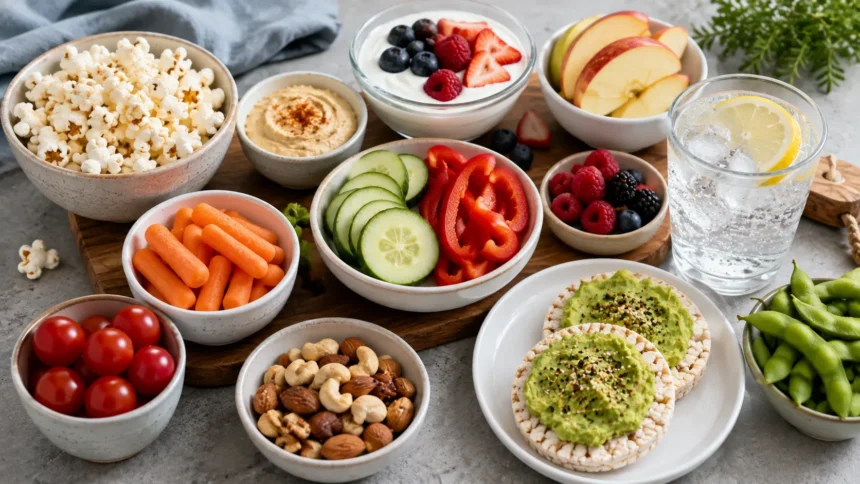
Low Calorie Snacks That Are Actually Satisfying
Finding low calorie snacks that are actually satisfying can feel surprisingly difficult. Many snacks marketed as light or diet-friendly contain very few calories but leave you searching for something else 20 minutes later. The problem is that calories alone do not determine how satisfying a food will be. Protein, fiber, water content, food volume, texture, and personal preferences can all influence whether a snack keeps hunger under control until your next meal.
A satisfying snack should do more than simply take up a small number of calories in your daily intake. Ideally, it should provide useful nutrients and enough staying power to make eating feel comfortable rather than restrictive. A piece of fruit, Greek yogurt, vegetables with hummus, cottage cheese, popcorn, eggs, or a carefully portioned handful of nuts can often deliver more nutritional value than highly processed “100-calorie” products.
The key is learning how to build snacks strategically. Combining protein and fiber, choosing water-rich foods, and paying attention to portions can create snacks that feel substantial without becoming full meals. For example, fruit paired with yogurt is usually more satisfying than fruit juice, while vegetables paired with hummus may hold hunger longer than plain vegetables alone.
This guide explores some of the best healthy low calorie snacks for different situations, including sweet cravings, savory cravings, workdays, evenings, and busy schedules. You will also learn what makes a snack filling, how to avoid common low-calorie snacking mistakes, and how to choose options that support your overall eating pattern without turning every bite into a calorie-counting exercise.
What Makes a Low Calorie Snack Actually Filling?
Satiety describes the feeling of fullness and satisfaction that helps reduce the desire to continue eating. Foods differ considerably in how effectively they create that feeling. A tiny serving of candy and a bowl of fruit may contain a similar number of calories, yet they can feel dramatically different because their volume, fiber, water, and nutrient composition are not the same.
Protein is particularly useful for building satisfying snacks because protein-rich foods often provide more staying power than snacks dominated by rapidly digested refined carbohydrates. Greek yogurt, cottage cheese, eggs, edamame, beans, tuna, and certain protein-rich dips are examples of foods that can add protein without requiring an extremely large calorie intake.
Fiber also contributes to satisfaction because it adds bulk and slows the eating and digestive experience. Fruits, vegetables, whole grains, legumes, seeds, and nuts provide varying amounts of fiber. Pairing fiber with protein is therefore one of the simplest strategies for turning a small snack into something that feels much more substantial.
Food volume matters as well. Water-rich fruits and vegetables allow you to eat a physically larger amount of food for fewer calories than energy-dense foods such as oils or large servings of nuts. A good low calorie snack often combines these ideas rather than depending entirely on one nutrient.
Greek Yogurt With Fresh Berries
Plain Greek yogurt with berries is one of the easiest high-protein low calorie snacks to prepare. Greek yogurt typically provides substantially more protein than many ordinary sweetened yogurts, while strawberries, blueberries, raspberries, or blackberries add natural sweetness, fiber, color, and texture.
Choosing plain yogurt also gives you control over added sugar. You can add fruit, cinnamon, a small amount of vanilla, or another preferred flavor rather than relying on heavily sweetened varieties. If plain yogurt tastes too tart initially, mixing it with ripe fruit can make the flavor more enjoyable without requiring a large amount of sweetener.
Berries are particularly convenient because they provide a relatively generous serving volume for their calorie content. Frozen berries work as well as fresh ones and can be useful when berries are expensive or unavailable seasonally. Allowing frozen berries to soften slightly creates a cold, dessert-like snack.
For additional texture, a small sprinkle of chia seeds, chopped nuts, or whole-grain cereal can be added, but portion size becomes more important once calorie-dense toppings enter the bowl. The yogurt and berries should remain the foundation if your goal is keeping the snack relatively light.
Apple Slices With Peanut Butter
An apple by itself makes a convenient low calorie snack, but pairing it with a controlled amount of peanut butter can make it much more satisfying. The apple contributes water, fiber, crunch, and sweetness, while peanut butter provides fat and protein that can give the snack greater staying power.
The important word is controlled because nut butter is calorie-dense. Eating directly from the jar can make it surprisingly easy to consume several servings without realizing it. Measuring a tablespoon or another intentional portion lets you enjoy the flavor and satisfaction without turning a snack into a much larger source of calories.
Apples also require chewing, which can make the snack feel more substantial than drinking the same calories through juice. Different varieties provide different levels of sweetness and crispness, so choosing an apple you genuinely enjoy can make a simple healthy snack more appealing.
If peanut butter is not your preference, almond butter or another nut or seed butter can provide a similar combination. Look at the ingredient list and choose a product that fits your needs rather than assuming every spread labeled natural automatically has a superior nutritional profile.
Air-Popped Popcorn
Air-popped popcorn is an excellent example of a high-volume snack. Popcorn is a whole grain, and several cups can provide the feeling of eating a substantial snack while remaining relatively low in calories when it is prepared without large amounts of butter or oil.
The problem is usually not the popcorn itself but what gets added to it. Movie-theater-style butter, caramel coatings, cheese powders, and heavy oil can dramatically increase calorie density. Preparing popcorn at home gives you much more control over both serving size and toppings.
Seasoning does not have to be boring. Paprika, garlic powder, black pepper, nutritional yeast, cinnamon, or other seasonings can create different flavors without requiring large amounts of butter. A light amount of salt may be enough if you prefer a classic savory snack.
Popcorn also takes time to eat because of its volume and individual pieces. That slower pace can be helpful when you want something to snack on during a movie or while relaxing in the evening. Just remember that heavily flavored packaged popcorn can differ substantially from plain air-popped versions.
Cottage Cheese With Fruit
Cottage cheese provides a convenient combination of protein and creamy texture, making it a useful option when a very light fruit snack does not feel substantial enough. Pairing it with peaches, pineapple, berries, melon, or sliced pear creates a balance of savory creaminess and natural sweetness.
Different cottage cheese varieties contain different amounts of fat and sodium, so you can choose according to your dietary preferences. A lower-fat option may reduce calories, while a slightly higher-fat version may feel more satisfying to some people. There is no requirement to choose the lowest-calorie version if it leaves you unsatisfied.
Fruit adds volume, water, fiber, and flavor without requiring much preparation. Canned fruit can also work, particularly when packed in juice rather than heavy syrup. Draining the fruit before adding it keeps the snack from becoming excessively sweet.
For people who prefer savory flavors, cottage cheese can instead be paired with cucumber, tomatoes, black pepper, herbs, or chopped bell pepper. This versatility makes it useful for both sweet and savory snack cravings without needing completely different ingredients.
Hard-Boiled Eggs
A hard-boiled egg is simple, portable, and naturally portion-controlled. Eggs provide high-quality protein along with several vitamins and minerals, making them considerably more nutritionally substantial than many processed snack foods containing a similar number of calories.
One egg may be enough when hunger is mild, while pairing an egg with vegetables or a piece of fruit can create a more satisfying mini-snack when you have several hours until your next meal. Preparing several eggs ahead of time can make healthier choices easier during busy weekdays.
Flavor can be changed easily with black pepper, paprika, chili flakes, herbs, or a small amount of mustard. Because eggs themselves are relatively neutral, they can fit into many different flavor preferences without requiring complicated recipes.
Food safety matters with prepared eggs. Keep hard-boiled eggs refrigerated and avoid leaving them sitting at room temperature for extended periods. Packing them appropriately makes them suitable for work lunches, travel days, or other situations when refrigeration is available.
Cucumber and Hummus
Cucumber is extremely water-rich, giving it excellent volume for relatively few calories. On its own, however, it may not provide enough satisfaction for someone who is genuinely hungry. Pairing cucumber slices with hummus adds protein, fiber, fat, and a creamy contrast that makes the snack feel more complete.
Hummus is traditionally made from chickpeas, tahini, lemon, and seasonings. Because tahini and oil can increase calorie density, portioning the hummus is useful when you specifically want a lower-calorie snack. A few tablespoons can provide plenty of flavor for a generous serving of vegetables.
Bell peppers, celery, carrots, radishes, or cherry tomatoes can be added when you want more variety. Using several vegetables also creates different textures, which can make the snack more enjoyable than repeatedly eating one type of raw vegetable.
This type of snack demonstrates an important principle: extremely low-calorie vegetables become more satisfying when they are paired with a nutrient-rich accompaniment. The goal is not always to choose the absolute lowest-calorie food but to create a snack that actually prevents you from becoming hungry again immediately.
Carrots With Hummus
Carrots provide crunch, natural sweetness, fiber, and useful nutrients while remaining relatively low in calories. Carrots and hummus therefore make a practical snack when you want something savory and substantial enough to require real chewing.
Baby carrots are particularly convenient because they require almost no preparation. Regular carrots can be sliced into sticks and stored in the refrigerator for several days, making them an inexpensive option for people who prefer preparing snacks ahead of time.
As with cucumber, hummus provides the component that makes the snack more satisfying. Chickpeas contribute protein and fiber, while tahini adds richness. Keeping the hummus portion moderate gives you the benefits without accidentally consuming a much larger snack than intended.
If hummus becomes repetitive, you can experiment with versions containing roasted red pepper, garlic, herbs, or other seasonings. Checking nutrition labels can help because prepared dips vary significantly in oil, sodium, and serving size.
Fresh Berries and Yogurt Dip
Fresh berries can satisfy a sweet craving with far fewer calories than many cookies, pastries, or candy products. Strawberries in particular provide substantial food volume because of their high water content, making a bowl feel much more generous than a small piece of calorie-dense dessert.
A simple Greek yogurt dip can make berries more filling. Plain Greek yogurt can be mixed with cinnamon, vanilla, or a small amount of cocoa powder to create a creamy accompaniment without relying on a highly sugary dessert sauce.
This snack also works well when presentation matters. A plate containing strawberries, blueberries, and raspberries with a small bowl of yogurt dip can feel like a deliberate dessert rather than a compromise made because you are trying to reduce calories.
Frozen berries are another option. Slightly thawed berries mixed into yogurt produce a consistency similar to frozen dessert, especially when the fruit releases some juice. This can be useful for people who prefer cold sweet snacks in the evening.
Watermelon and Other Melons
Watermelon contains a large amount of water, which is why a generous-looking portion can remain relatively light. It is particularly appealing during warm weather when a hydrating, refreshing snack feels more attractive than something heavy or creamy.
Cantaloupe and honeydew provide similar advantages and can add variety. Preparing a container of fresh melon cubes in advance makes them much easier to choose when hunger appears. Pre-cut fruit can be convenient, although cutting whole fruit yourself is often more economical.
Melon alone works well for mild hunger. When you need greater staying power, pair it with cottage cheese, Greek yogurt, or another protein source. This turns a primarily carbohydrate-and-water snack into something more balanced.
Remember that low calorie does not mean unlimited. Large portions can eventually add up, but there is generally little value in obsessively measuring every cube of melon. Building reasonable portions and paying attention to your hunger is more sustainable than treating nutritious fruit as something that needs to be feared.
Edamame
Edamame consists of immature soybeans and offers an unusual combination for a snack: protein, fiber, and relatively high food volume. Shelled or in-the-pod versions can both work, and frozen edamame requires only brief heating before it is ready to eat.
In-the-pod edamame has another practical advantage because removing each bean slows down the pace of eating. Slower snacks can sometimes feel more satisfying than foods that disappear within a few bites, even when calorie content is similar.
A little salt, chili, garlic, or other seasoning can make plain edamame more flavorful. People monitoring sodium intake can season with herbs, spices, citrus, or other low-sodium flavorings instead of relying heavily on salt.
Edamame is also useful for plant-based eaters who want more protein in their snacks. Unlike a plain piece of fruit or vegetables alone, soybeans contribute enough protein to make the snack more substantial and potentially useful between meals.
Roasted Chickpeas
Roasted chickpeas offer crunch similar to chips or nuts while providing plant protein and fiber. They can be purchased ready-made or prepared at home from canned chickpeas that have been drained, dried, seasoned, and roasted.
Seasoning possibilities are nearly endless. Smoked paprika, cumin, garlic, chili, curry spices, or cinnamon can create savory or slightly sweet variations. Preparing them yourself also lets you control how much oil and salt are used.
Although chickpeas are nutritious, they are more calorie-dense than vegetables such as cucumber or celery. Portioning them into small containers can help prevent absent-mindedly eating several servings directly from a large bag.
Their combination of crunch, fiber, and protein makes roasted chickpeas especially useful when you want a snack that feels closer to conventional snack food. They can provide a satisfying alternative to highly refined crackers or chips without requiring you to give up texture.
Celery With Peanut Butter
Celery has an extremely low energy density because it contains so much water. By itself, however, it is unlikely to satisfy significant hunger. Adding a small amount of peanut butter provides richness, fat, and protein while the celery provides volume and crunch.
This low calorie snack combination works best when peanut butter is measured rather than spread without attention. Nut butter packs many calories into a small quantity, so a little can go a long way in terms of both flavor and energy.
Celery can also be filled with cottage cheese, hummus, or another protein-rich spread if you want a lower-fat variation. Each choice creates a different balance of calories and nutrients without changing the basic snack concept.
The combination is particularly convenient when you want something that takes time to eat. Crunchy celery requires chewing, and adding a flavorful spread makes the experience much more satisfying than drinking a low-calorie beverage or eating a tiny packaged snack.
Rice Cakes With Cottage Cheese
Plain rice cakes are popular in low-calorie diets because they are light and portion-controlled. Their weakness is that they contain relatively little protein or fiber and may not keep someone full when eaten alone.
Adding cottage cheese changes the equation. The rice cake provides crunch and carbohydrates, while cottage cheese supplies protein and moisture. Tomato slices, cucumber, herbs, or black pepper can turn it into a simple savory snack.
For a sweeter version, cottage cheese can be topped with sliced strawberries, blueberries, or a small amount of cinnamon. The same basic ingredients can therefore accommodate different cravings without dramatically changing the snack’s nutritional profile.
Rice cakes are not inherently superior to bread or other whole grains. They are simply convenient when portion control and a crunchy base are useful. If whole-grain toast keeps you fuller and fits your nutritional goals, there is no reason to avoid it simply because a rice cake has fewer calories per piece.
Whole-Grain Crackers With Tuna
A small serving of whole-grain crackers with tuna can provide a satisfying combination of protein, fiber, and crunch. Tuna contributes substantial protein, while whole-grain crackers offer carbohydrates and some fiber, depending on the product.
Plain tuna can be mixed with Greek yogurt, mustard, lemon, herbs, or another preferred ingredient instead of large amounts of mayonnaise. This can keep the mixture relatively light while still providing moisture and flavor.
Portion the crackers before sitting down rather than repeatedly reaching into the package. Crackers are easy to eat quickly, and serving sizes can be smaller than many people expect. Putting the snack on a plate gives you a clearer visual portion.
Tuna should be eaten as part of a varied diet rather than relied on every day. Different fish vary in mercury content, so rotating protein sources such as eggs, yogurt, beans, cottage cheese, chicken, and other options creates greater nutritional variety.
Turkey Roll-Ups
Turkey roll-ups can be made by wrapping slices of turkey around cucumber strips, lettuce, bell pepper, or another crisp vegetable. This produces a high-protein low calorie snack without needing bread, although there is nothing wrong with adding whole-grain bread when you need something more substantial.
A small amount of mustard, hummus, or another flavorful spread can keep the roll-ups from feeling dry. Cheese can also be added, but it increases both calories and richness, so the amount can be adjusted according to your appetite and goals.
Processed deli meats can contain substantial sodium, so choosing lower-sodium products or using leftover home-cooked turkey or chicken can be preferable when practical. The phrase “high protein” should not automatically make every processed meat product an everyday choice.
Turkey roll-ups work particularly well for people who prefer savory snacks and find fruit or yogurt insufficient. Their protein content can make a small portion feel surprisingly substantial compared with crackers or pretzels alone.
Tomato and Mozzarella Bites
Cherry tomatoes paired with small pieces of mozzarella create a snack inspired by a simple Caprese salad. Tomatoes contribute water and volume, while mozzarella provides protein, fat, and creaminess.
Fresh basil, black pepper, or a small splash of balsamic vinegar can add substantial flavor without requiring heavy sauces. The snack feels more like real food than many packaged low-calorie products, which can improve psychological satisfaction as well as physical fullness.
Cheese is calorie-dense compared with vegetables, so the portion of mozzarella determines much of the snack’s calorie content. Using tomatoes generously and cheese more strategically creates a satisfying balance.
This approach reflects a broader principle that works across many snacks: use vegetables or fruit for volume and pair them with a smaller amount of protein or healthy fat for staying power. That formula can be adapted to countless ingredient combinations.
Banana With a Small Amount of Nut Butter
Bananas are portable, inexpensive, naturally sweet, and easy to eat without preparation. Although they contain more calories than some water-rich fruits, they can still fit comfortably into a low calorie snack plan.
Adding a small amount of almond, peanut, or seed butter creates a more satisfying combination by contributing protein and fat. Because nut butter is calorie-dense, a thin spread is usually enough to change the snack’s texture and staying power.
A smaller banana may be appropriate when you simply want something between meals, while a larger one can work before physical activity or when hunger is stronger. Portions do not need to be identical every day because hunger and activity levels naturally vary.
Frozen banana slices can also create a dessert-like experience. A small drizzle of nut butter or spoonful of yogurt over partially frozen slices can satisfy a sweet craving without requiring an elaborate recipe.
Frozen Grapes
Frozen grapes are a simple option for people who enjoy cold, sweet snacks. Freezing changes their texture and makes each grape take longer to eat, which can make a portion feel more satisfying than the same grapes eaten quickly at room temperature.
They contain natural sugars, but they also provide water and useful nutrients. Eating whole fruit is generally more satisfying than drinking grape juice because the fruit retains its structure and fiber.
Wash grapes thoroughly before freezing and store them in a sealed container. Because whole grapes can be a choking hazard for young children, they should be prepared appropriately when being served to children.
Frozen grapes work particularly well as a replacement for candy when the craving is mainly for something sweet and refreshing. If you are genuinely hungry rather than simply wanting sweetness, pairing fruit with a protein source may provide more lasting satisfaction.
Low Calorie Snacks for Sweet Cravings
Sweet cravings do not require eliminating dessert-like flavors entirely. Greek yogurt with berries, frozen grapes, melon, apple with peanut butter, cottage cheese with fruit, or banana with cinnamon can provide sweetness while contributing more nutritional value than many heavily refined sweets.
Cocoa can also be useful. Plain yogurt mixed with unsweetened cocoa and a small amount of sweetener can create a chocolate-flavored snack with considerably more protein than many conventional desserts.
Fruit naturally contains sugar, but treating whole fruit as equivalent to candy ignores differences in fiber, water, micronutrients, and food structure. Whole fruit can comfortably be part of a balanced eating pattern for most people.
At the same time, there is no need to pretend fruit tastes exactly like cake or chocolate. If you genuinely want a particular dessert, sometimes eating a reasonable portion of that dessert can be more satisfying than repeatedly eating substitutes and continuing to feel deprived.
Low Calorie Savory Snacks
For savory cravings, options include air-popped popcorn, edamame, vegetables with hummus, hard-boiled eggs, turkey roll-ups, cottage cheese with cucumber, roasted chickpeas, or whole-grain crackers with tuna. These provide considerably more variety than plain celery sticks.
Seasonings can transform simple ingredients. Chili powder, paprika, garlic, herbs, lemon juice, vinegar, mustard, and black pepper add flavor without requiring significant calories. This matters because satisfaction depends partly on enjoyment, not simply nutrient composition.
Sodium can accumulate quickly in packaged savory snacks, particularly deli meat, flavored popcorn, crackers, cheese, and prepared dips. People who need to monitor sodium should compare labels and rely more often on minimally processed foods.
A good savory snack should feel like something you chose because you enjoy it rather than a punishment for trying to eat fewer calories. Experimenting with seasoning and texture makes healthy snacking much easier to sustain.
Low Calorie High-Protein Snacks
Protein-focused snacks can be particularly useful when meals are several hours apart. Greek yogurt, cottage cheese, eggs, edamame, tuna, chicken, turkey, and certain protein-rich dips can provide significant protein without requiring a very large serving.
A protein shake can also work, although liquid calories may feel less satisfying for some people than solid foods requiring chewing. Choosing a shake simply because it contains a large amount of protein is not necessary if ordinary foods meet your needs.
Protein bars vary widely. Some are essentially candy bars with added protein, while others provide useful nutrition. Check calories, protein, fiber, added sugar, and serving size rather than assuming the word “protein” automatically means low calorie or healthy.
More protein is not always better. The objective is simply to include enough to make the snack satisfying and support overall nutritional needs. Extremely high-protein snacks are unnecessary for most people if total daily protein intake is already adequate.
Low Calorie High-Fiber Snacks
Fiber-rich snacks include berries, apples, pears, vegetables, popcorn, chickpeas, edamame, and whole-grain foods. Fiber adds bulk and can help make a snack feel more substantial, particularly when combined with adequate fluids.
Pairing fiber with protein creates even greater staying power. Examples include berries with Greek yogurt, vegetables with hummus, apple with peanut butter, or whole-grain crackers with cottage cheese.
Increasing fiber suddenly can cause gas or bloating for some people, particularly if their usual diet contains very little fiber. Gradually increasing fiber while maintaining appropriate fluid intake can make the transition more comfortable.
People with certain digestive conditions may receive individualized fiber restrictions, so generic high-fiber advice does not apply universally. Medical nutrition recommendations should always take priority when a doctor or dietitian has prescribed a specific eating pattern.
Low Calorie Snacks for Weight Management
Low calorie snacks can support weight management when they help control hunger without adding more energy than your body needs. However, snacks are not mandatory. Someone who feels comfortable eating three balanced meals does not need to add snacks simply because a diet article recommends them.
For people who do become hungry between meals, planned snacks can reduce the temptation to grab whatever is easiest when hunger becomes extreme. Keeping yogurt, fruit, eggs, vegetables, hummus, or other convenient options available can make a meaningful difference.
Avoid making snacks so small that they become unsatisfying. A 40-calorie snack that leaves you ravenous may lead to more eating later than a 150-calorie snack containing protein and fiber. Effectiveness matters more than achieving the lowest possible number.
Weight management also depends on the overall eating pattern, activity, sleep, health conditions, medications, and many other factors. No single snack burns fat or guarantees weight loss, regardless of how aggressively it is marketed.
Low Calorie Snacks for Work
Workplace snacks need to be convenient enough that they can compete with vending machines and office treats. Greek yogurt, fruit, hard-boiled eggs, portioned nuts, popcorn, roasted chickpeas, cottage cheese, and chopped vegetables can all be prepared or packed relatively easily.
Keeping emergency shelf-stable snacks at work can also help. Plain popcorn, whole-grain crackers, tuna pouches, roasted chickpeas, or carefully portioned nuts can be useful when meetings run late or lunch is delayed.
Avoid eating automatically simply because food is available at your desk. Work stress, boredom, and habit can all trigger snacking without physical hunger. Taking a moment to decide whether you are actually hungry can prevent mindless grazing.
When you do snack, moving away from your screen for a few minutes can help you notice the food more clearly. Eating directly from a large package while answering emails makes portions much harder to recognize.
Low Calorie Evening Snacks
Evening hunger is common, particularly when dinner was early, small, or low in protein. A modest snack such as Greek yogurt, fruit with cottage cheese, popcorn, or a boiled egg with vegetables can be completely reasonable.
The idea that eating after a particular clock time automatically causes weight gain is overly simplistic. Overall energy intake and dietary patterns matter more than an arbitrary rule that food becomes unhealthy after 8 p.m.
However, evening snacking can become calorie-heavy when it involves eating directly from large packages while watching television. Portioning food before sitting down creates a natural stopping point and makes the amount easier to recognize.
People with reflux may need to consider timing because eating close to lying down can worsen symptoms. Individual health needs should therefore guide evening snack choices rather than generic rules about whether nighttime eating is always good or bad.
Snacks That Seem Healthy but Can Be High in Calories
Nuts, nut butter, trail mix, granola, avocado, dried fruit, energy bars, and smoothies can all provide useful nutrients, but they can also be surprisingly calorie-dense. Healthy does not automatically mean low calorie.
Trail mix is a classic example. Nuts and dried fruit contain concentrated energy, and versions containing chocolate or sweetened ingredients can be even more calorie-dense. A small portion may be satisfying, while eating repeatedly from a large bag can add substantial calories quickly.
Smoothies create a similar issue because several pieces of fruit, nut butter, yogurt, juice, and other ingredients can fit easily into one glass. Drinking the mixture may also feel less substantial than eating those ingredients separately.
None of these foods needs to be avoided. The lesson is simply to consider portion size when your goal specifically involves lower-calorie snacking. Nutritional quality and calorie density are two different characteristics.
Why Very Low Calorie Snacks Can Backfire
Choosing the absolute lowest-calorie option is not always the smartest approach. A few cucumber slices might contain very few calories, but they may do little for genuine hunger because they provide limited protein and energy.
If you remain hungry, you may begin looking for another snack almost immediately. Several tiny unsatisfying snacks can eventually provide more calories than one deliberately constructed snack containing protein, fiber, and enough food to feel satisfied.
Extreme restriction can also make food feel psychologically more important. Constantly choosing the smallest possible portion may increase feelings of deprivation and make it more difficult to follow a balanced eating pattern consistently.
Instead of asking, “What snack has the fewest calories?” ask, “What is the smallest reasonable snack that will actually satisfy my hunger?” That shift encourages more sustainable choices.
How to Build Your Own Satisfying Low Calorie Snack
A simple formula is to start with a fruit or vegetable for volume and fiber, then add a modest protein source. Examples include berries with yogurt, apple with peanut butter, cucumber with hummus, or tomatoes with cottage cheese.
Another approach starts with protein. Choose an egg, yogurt, cottage cheese, tuna, turkey, or edamame and add a fruit, vegetable, or small whole-grain portion. This creates nutritional balance without requiring complicated recipes.
Pay attention to calorie-dense additions such as oils, nuts, seeds, cheese, dressings, and nut butters. These foods can increase satisfaction and nutritional quality, but small amounts often provide enough flavor because their energy density is high.
Finally, make sure you actually like the snack. A perfectly calculated combination is not useful if you dread eating it. Enjoyment, convenience, affordability, and cultural preferences all matter when creating habits you can maintain.
The Bottom Line on Satisfying Low Calorie Snacks
The best low calorie snacks are not necessarily the foods with the smallest calorie number printed on the package. A genuinely useful snack should reduce hunger, taste enjoyable, provide nutritional value, and help you comfortably reach your next meal.
Protein and fiber are particularly helpful. Greek yogurt with berries, apple with peanut butter, eggs with vegetables, edamame, hummus with carrots, cottage cheese with fruit, roasted chickpeas, and popcorn are examples of snacks that combine satisfaction with reasonable portions.
Water-rich foods also help increase volume. Fruits and vegetables allow you to eat physically larger portions while adding useful vitamins, minerals, and other nutrients. Pairing them with protein or a moderate amount of healthy fat often improves staying power.
Most importantly, avoid turning healthy snacking into a competition to eat as little as possible. Hunger is a normal biological signal. Choosing satisfying, nutrient-dense snacks in portions appropriate for your needs is usually more practical than repeatedly eating tiny diet foods that leave you thinking about your next snack.
Frequently Asked Questions
What is the most filling low calorie snack?
Protein-and-fiber combinations are often particularly satisfying. Greek yogurt with berries, vegetables with hummus, eggs with vegetables, or an apple with a small amount of peanut butter are practical examples.
What can I snack on for under 200 calories?
Depending on portions, options can include Greek yogurt and berries, air-popped popcorn, a hard-boiled egg with fruit, cottage cheese with fruit, edamame, or vegetables with hummus.
What low calorie snack is good for nighttime?
Greek yogurt, cottage cheese with fruit, a small bowl of popcorn, or fruit paired with protein can work well. Choose something satisfying enough to address genuine hunger without becoming a second large meal.
Are fruits good low calorie snacks?
Yes. Many fruits provide fiber, water, vitamins, and substantial food volume for relatively few calories. Pairing fruit with yogurt, cottage cheese, or a small amount of nut butter can improve satisfaction.
What snacks help you stay full longer?
Snacks containing protein, fiber, and some healthy fat tend to offer greater staying power than highly refined snacks. Whole-food combinations are often especially useful.