
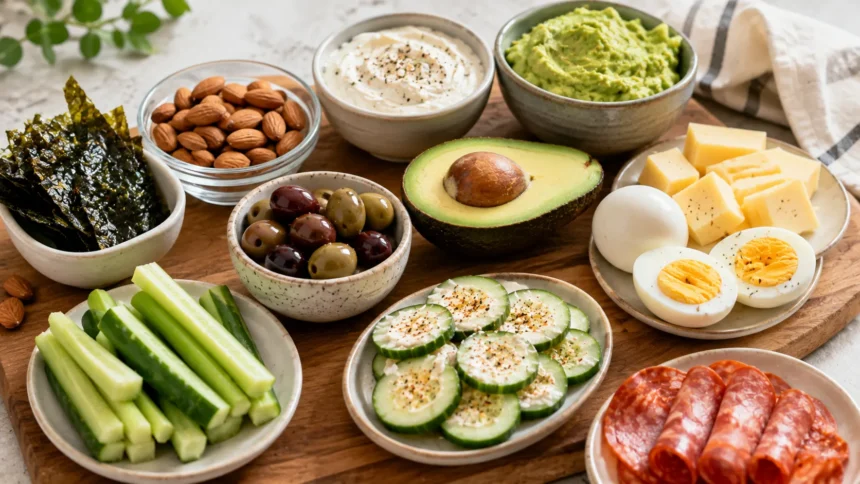
Low Carb Snacks That Keep You Full Longer
Finding low carb snacks that keep you full longer is less about cutting carbohydrates as low as possible and more about choosing foods that provide enough protein, healthy fat, fiber, and volume to make a snack genuinely satisfying. A snack that contains very few carbs but almost no protein or substance may leave you hungry again quickly, while a balanced low-carb option can help bridge the gap between meals without feeling restrictive.
Low-carb eating can look different from one person to another. Some people reduce refined carbohydrates such as cookies, chips, sugary drinks, and pastries, while others follow a more structured carbohydrate target. The best snack choices therefore depend on your overall eating pattern, activity level, medical needs, preferences, and how much carbohydrate you personally choose to include.
Foods such as eggs, Greek yogurt, cottage cheese, nuts, seeds, cheese, tuna, avocado, olives, vegetables, and edamame can all fit into a lower-carbohydrate snack routine. The most useful options usually pair protein or fat with a fiber-rich vegetable or another nutrient-dense food rather than relying entirely on heavily processed “keto” snack products.
This guide explores some of the best low carb snack ideas for work, weight management, evening hunger, sweet cravings, and busy days. You will also learn what makes a low-carb snack filling, which foods may contain more carbs than expected, and how to build snacks that support fullness without turning your diet into a list of unnecessary restrictions.
What Makes a Low Carb Snack Filling?
A filling snack usually contains more than one nutrient associated with satiety. Protein is particularly important because it can help a snack feel more substantial and may reduce the desire to continue eating shortly afterward. Eggs, Greek yogurt, cottage cheese, fish, poultry, cheese, and soy foods are practical protein-rich options.
Healthy fats can also contribute to satisfaction because fat digests relatively slowly and adds richness to meals and snacks. Avocado, nuts, seeds, olives, nut butter, and certain dairy foods provide useful fats, although their calorie density means portions still matter when energy intake is a concern.
Fiber contributes another layer of fullness. Non-starchy vegetables, berries, nuts, seeds, and certain legumes provide fiber while remaining relatively moderate in carbohydrate depending on portion size. Fiber adds bulk and can make a snack feel physically more substantial.
The most satisfying low-carb snacks often combine these features. A boiled egg with cucumber, Greek yogurt with a few berries, cottage cheese with tomatoes, or celery with peanut butter provides more balance than a snack consisting solely of cheese or processed meat.
Hard-Boiled Eggs
Hard-boiled eggs are one of the simplest low carb snacks because they naturally contain very little carbohydrate while providing high-quality protein and fat. They are also portion-controlled, portable, and easy to prepare in advance for workdays or busy schedules.
One egg may be enough for mild hunger, while two eggs can create a more substantial snack. Pairing eggs with cucumber, cherry tomatoes, bell pepper, or another non-starchy vegetable adds volume and crunch without significantly increasing carbohydrate intake.
Seasoning can make eggs more interesting without requiring complicated preparation. Black pepper, paprika, chili flakes, mustard, herbs, or a small amount of salt can completely change the flavor and prevent the snack from becoming repetitive.
Eggs are also useful because they feel like real food rather than a diet product. This matters for long-term habits because people are generally more likely to maintain an eating pattern when foods are convenient, affordable, familiar, and satisfying.
Greek Yogurt With Berries
Plain Greek yogurt can provide substantial protein with fewer carbohydrates than many sweetened yogurts. Choosing an unsweetened variety gives you more control over added sugar and lets the protein content become the main reason the snack is satisfying.
A small serving of berries can add sweetness, fiber, and flavor while keeping the overall carbohydrate level moderate. Strawberries, raspberries, blackberries, and blueberries can all work depending on portion size and personal carbohydrate goals.
Full-fat or lower-fat yogurt can both fit a low-carb eating pattern. Higher-fat yogurt may feel more satisfying to some people, while lower-fat versions can reduce total calories. The better choice depends on what fits your broader diet and appetite.
Avoid assuming every yogurt marketed as healthy is low in carbs. Flavored yogurts can contain substantial added sugar, even when the packaging emphasizes protein or probiotics. Checking the nutrition label is often more useful than relying on front-of-package marketing.
Cottage Cheese With Cucumber
Cottage cheese is naturally rich in protein, making it useful when you want a quick low-carb snack that feels more substantial than vegetables alone. Pairing it with cucumber adds crunch and volume while keeping carbohydrate intake relatively modest.
Black pepper, herbs, paprika, or chopped chives can make cottage cheese more savory. Cherry tomatoes, radishes, celery, or bell pepper can also be added depending on how many carbohydrates fit into your plan.
Different cottage cheese products vary in fat and sodium. A lower-fat version may contain fewer calories, while a higher-fat version may provide more richness and satisfaction. Neither is universally better for everyone.
Cottage cheese can also be used for sweet cravings by adding cinnamon and a few berries. This flexibility makes it one of the easier foods to use repeatedly without feeling as though you are eating exactly the same snack every day.
Celery With Peanut Butter
Celery provides very few carbohydrates and calories while offering plenty of water and crunch. On its own, however, it may not satisfy real hunger. A modest amount of peanut butter adds fat and protein, turning celery into a much more balanced snack.
The main consideration is portion size. Peanut butter is energy-dense, so eating directly from the jar can add far more calories than expected. Measuring a spoonful can help keep the snack aligned with your goals without sacrificing flavor.
Choose peanut butter with an ingredient list you are comfortable with. Some products contain added sugar, while others primarily contain peanuts and salt. The carbohydrate difference may be modest per serving but becomes more relevant when portions grow.
Almond butter, sunflower seed butter, or other seed and nut butters can provide similar benefits. The best option is usually the one you enjoy enough to use consistently without feeling deprived.
Cheese and Cucumber Slices
Cheese is naturally low in carbohydrates and provides protein and fat, which is why it appears frequently in low-carb snack lists. Pairing cheese with cucumber creates more food volume and freshness than eating cheese by itself.
Cheddar, mozzarella, Swiss, feta, and many other cheeses can fit depending on personal preference. Individual cheese sticks or pre-portioned pieces can be particularly useful when you want a convenient grab-and-go snack.
Because cheese is calorie-dense, very large portions can quickly turn a small snack into something much heavier. Using vegetables as the larger part of the snack allows you to enjoy cheese while maintaining reasonable portion balance.
People monitoring sodium or saturated fat may want to compare different cheese varieties. Low carb does not automatically mean optimal for every nutritional goal, so broader health considerations still matter.
Turkey Roll-Ups
Turkey roll-ups provide a simple high-protein, low-carb snack that requires almost no preparation. Thin slices of turkey can be wrapped around cucumber, lettuce, bell pepper strips, or a small piece of cheese.
Mustard, hummus in a modest portion, or another flavorful spread can make the roll-ups more interesting. Herbs and black pepper can also add flavor without relying on sugary sauces.
Processed deli turkey can contain a significant amount of sodium, so checking labels is worthwhile. When practical, leftover roasted turkey or chicken can provide a less processed alternative with similar benefits.
This snack works particularly well for people who prefer savory foods and find nuts or yogurt insufficient. The protein can help create greater staying power between meals.
Tuna Cucumber Bites
Tuna is naturally very low in carbohydrates and high in protein, making it a strong foundation for a filling snack. Mixing tuna with a small amount of Greek yogurt, mayonnaise, mustard, lemon, or herbs can create a simple spread.
Cucumber slices make an excellent base because they add crunch and volume without requiring bread or crackers. Spoon a small amount of tuna mixture onto each slice for a snack that feels more substantial than eating tuna directly from a container.
Bell pepper sections or celery can be used in the same way. These vegetables provide different textures and flavors while remaining relatively low in carbohydrates.
Tuna should be part of a varied eating pattern rather than the only protein you rely on. Rotating eggs, yogurt, chicken, cottage cheese, beans in appropriate portions, and other protein sources helps maintain nutritional variety.
Avocado With Cottage Cheese
Avocado provides healthy monounsaturated fat, fiber, and a creamy texture that can make a snack feel particularly satisfying. Pairing half an avocado or another suitable portion with cottage cheese adds protein and creates a better balance than avocado alone.
Salt, pepper, chili flakes, lime juice, or herbs can enhance the flavor. The combination can be eaten directly from the avocado shell or served in a small bowl.
Avocado is relatively low in digestible carbohydrate because much of its carbohydrate content comes from fiber. However, it is calorie-dense, which means portion size still matters when weight management is one of your goals.
The snack is especially useful when you know you have several hours before your next meal. Protein and fat together can provide more staying power than a very light vegetable snack.
Almonds and Other Nuts
Nuts are popular low carb snacks because they provide fat, protein, fiber, and satisfying crunch. Almonds, walnuts, pecans, macadamia nuts, and Brazil nuts all contain relatively modest amounts of carbohydrate compared with many traditional snack foods.
The main challenge is portion control. Nuts pack a large amount of energy into a small volume, so a handful can be a useful snack while several handfuls may contribute far more calories than expected.
Pre-portioning nuts into small containers or bags can make serving size easier to manage. Eating directly from a large package makes it surprisingly easy to lose track of how much you have eaten.
Flavored nuts deserve extra attention because some contain sugar, honey, sweet coatings, or large amounts of salt. Plain or lightly seasoned options usually give you greater control over the nutritional profile.
Olives and Cheese
Olives contain relatively little carbohydrate and provide fat, making them a flavorful addition to a low-carb snack. Pairing them with a small serving of cheese adds protein and creates a more satisfying combination.
This snack works particularly well for people who enjoy salty or Mediterranean-style flavors. Cucumber, tomatoes, herbs, or a few slices of bell pepper can add freshness and volume.
Olives can be high in sodium because they are commonly cured in brine. People monitoring sodium intake should keep portions moderate or compare different products.
The combination is simple but satisfying because it offers contrasting textures and strong flavor. This can make a small portion feel more enjoyable than a much larger serving of bland diet food.
Beef Jerky or Turkey Jerky
Jerky is portable, shelf-stable, and usually rich in protein, making it convenient for travel, work, or situations where refrigeration is unavailable. Many varieties also contain relatively little carbohydrate.
However, not all jerky is low in carbs. Some products contain substantial added sugar from sweet marinades, honey, teriyaki sauce, or other flavorings. Reading the label is therefore essential.
Sodium can also be high. While a small serving may fit comfortably into most diets, relying heavily on processed dried meat throughout the day is not ideal for everyone.
Jerky works best as one convenient option within a varied snack rotation rather than the foundation of a low-carb diet. Whole-food protein sources can provide better variety when refrigeration and preparation are practical.
Edamame
Edamame contains more carbohydrates than eggs or cheese, but it also provides fiber and plant-based protein, making it filling and relatively moderate in net carbohydrate depending on serving size.
Frozen edamame can be quickly steamed or microwaved, making it easy to keep on hand. In-the-pod versions also slow the eating process because each bean has to be removed before eating.
Seasoning with chili, garlic, citrus, pepper, or a small amount of salt can keep the snack interesting. This makes edamame an appealing alternative for people trying to reduce reliance on meat or dairy.
People following extremely strict ketogenic diets may need to pay closer attention to the serving size, but many moderate low-carb eating plans can comfortably include edamame.
Bell Peppers With Cream Cheese
Bell peppers provide crunch, color, vitamin C, and relatively modest carbohydrate. Sliced peppers paired with a small amount of cream cheese can create a satisfying savory snack.
Cream cheese provides fat and richness, while the pepper contributes volume. For additional protein, cottage cheese or a Greek-yogurt-based dip can be used instead.
Red and yellow peppers taste sweeter than green peppers, which can make them especially useful when you want something fresh but not completely savory. Carbohydrate content remains moderate in sensible portions.
Flavored cream cheese products may contain additional ingredients, so checking the label can be useful if your carbohydrate target is very strict.
Cucumber With Guacamole
Cucumber slices paired with guacamole create a refreshing low-carb alternative to chips and dip. The cucumber provides water and crunch, while avocado in the guacamole contributes fat and fiber.
Store-bought guacamole can be convenient, but portioned cups make it easier to control serving size. Homemade guacamole gives you more control over salt and additional ingredients.
Bell pepper strips or celery can also be used for dipping. Using several vegetables keeps the snack visually interesting and creates more volume without dramatically increasing carbs.
Avoid assuming that tortilla chips are low carb simply because the dip is. If reducing carbohydrate intake is the goal, the vegetables are what make this particular combination work.
Smoked Salmon and Cucumber
Smoked salmon provides protein and omega-3 fats with very little carbohydrate. Paired with cucumber slices, it creates an elegant snack that takes only minutes to assemble.
A small amount of cream cheese, Greek yogurt, dill, lemon, or capers can add flavor. The result can resemble a bagel topping without the higher-carbohydrate bread.
Smoked salmon can contain substantial sodium, so portions should be reasonable, particularly for people who have been advised to limit sodium intake.
Fresh cooked salmon can also be used if available. Leftovers from dinner can become a nutrient-dense snack the next day with almost no additional preparation.
Deviled Eggs
Deviled eggs offer a flavorful variation on the basic hard-boiled egg. The yolk can be mixed with mustard, Greek yogurt, mayonnaise, paprika, or herbs depending on the flavor and calorie profile you want.
Because eggs contain almost no carbohydrate, deviled eggs are naturally low carb. They also provide protein and fat, which can make them particularly satisfying.
Preparing several ahead of time can make them useful for busy days, although they need appropriate refrigeration. Avoid leaving prepared eggs at room temperature for long periods.
Deviled eggs can also be paired with raw vegetables for greater volume. This is an easy way to make the snack feel more complete without adding many carbohydrates.
Chia Pudding Without Added Sugar
Chia seeds contain fiber and healthy fats and develop a thick pudding-like texture when soaked in liquid. Using unsweetened milk or a low-carb milk alternative can create a snack with relatively modest digestible carbohydrate.
The large amount of fiber in chia pudding can help create fullness, but portions still matter because chia seeds are energy-dense. A small bowl can feel surprisingly substantial.
Cinnamon, unsweetened cocoa, vanilla, or a few berries can add flavor without requiring a large amount of sugar. Sweetener can be adjusted according to personal preference and dietary approach.
People who are not accustomed to eating much fiber may want to increase chia gradually, since a sudden high intake can cause bloating or digestive discomfort.
Plain Greek Yogurt With Nuts
Greek yogurt combined with a few chopped nuts provides a powerful mixture of protein, fat, and texture. The yogurt contributes protein while the nuts add richness and crunch.
Choosing plain yogurt avoids much of the added sugar found in many flavored varieties. Cinnamon, vanilla, or a few berries can provide additional flavor when needed.
Because both yogurt and nuts can vary significantly in calories, portion size determines whether the snack stays light or becomes more like a meal. A modest serving is usually enough for between-meal hunger.
This combination is especially useful when you know that a piece of cheese or handful of vegetables alone will not keep you satisfied for very long.
Low Carb Snacks for Sweet Cravings
A low-carb diet does not mean every snack has to be salty. Greek yogurt with berries, chia pudding, cottage cheese with cinnamon, dark chocolate in a modest portion, or nut butter with a few berries can help satisfy sweet cravings.
Unsweetened cocoa can also create a chocolate flavor without a large amount of sugar. Mixing cocoa into Greek yogurt or chia pudding can produce a dessert-like snack with more protein or fiber than many conventional sweets.
Packaged “keto desserts” can be useful occasionally, but they are not automatically nutritious simply because their net carbohydrate count is low. Some contain large amounts of fat, sweeteners, and calories.
Whole-food-based options are often more filling because they provide protein, fiber, vitamins, or minerals alongside the sweet flavor.
Low Carb Snacks for Work
Convenience matters at work because complicated snacks are unlikely to compete with vending-machine foods when you are busy. Cheese sticks, boiled eggs, Greek yogurt, nuts, jerky, cucumber with hummus, and turkey roll-ups are all relatively easy to pack.
Shelf-stable backups can also be useful. Small nut packs, tuna pouches, low-sugar jerky, or roasted seeds can help when lunch gets delayed unexpectedly.
Pre-portion snacks instead of bringing a large package to your desk. Mindless eating during emails or meetings can quickly turn a modest snack into several servings.
Planning also helps prevent the assumption that low carb means skipping food entirely. A deliberate snack can make it easier to arrive at dinner comfortably hungry rather than extremely hungry.
Low Carb Evening Snacks
Evening snacks can fit a low-carb eating pattern when genuine hunger remains after dinner. Greek yogurt, cottage cheese, eggs, cheese with cucumber, or a small portion of nuts can all provide satisfying options.
Choosing a protein-rich snack may help prevent the repeated grazing that sometimes happens when someone eats only a very light snack and remains hungry.
People with reflux may prefer smaller portions and may need to avoid eating immediately before lying down. Individual digestive comfort should guide timing.
There is no universal rule saying all food eaten at night automatically causes weight gain. Overall energy intake, food quality, and eating patterns matter more than the clock alone.
Low Carb Snacks for Weight Management
Low-carb snacks can support weight management when they make hunger easier to manage and replace heavily refined foods. However, low carbohydrate does not automatically mean low calorie.
Nuts, cheese, avocado, nut butter, cream cheese, and keto desserts can all fit a low-carb diet while still providing substantial energy. Portion awareness therefore remains important.
Protein-rich foods can be particularly helpful because they tend to be satisfying. Combining protein with vegetables often provides greater volume without dramatically increasing calories.
The most effective eating pattern is usually one you can maintain. Choosing snacks that you genuinely enjoy makes more sense than forcing yourself to eat foods simply because they appear on a low-carb list.
Are Nuts Good for a Low Carb Diet?
Yes, many nuts can fit comfortably into a low-carb eating pattern. They provide fat, fiber, protein, minerals, and plant compounds that make them nutritionally valuable.
However, carbohydrate content varies among nuts. Cashews generally contain more carbohydrates than pecans or macadamia nuts, for example, which may matter for someone following a very strict carbohydrate target.
Portion size matters even more because nuts are calorie-dense. A small handful can be satisfying, while eating continually from a large container can provide several hundred calories quickly.
Choose plain or lightly seasoned nuts when possible. Candied or honey-roasted versions can contain enough added sugar to significantly change the carbohydrate content.
Is Popcorn a Low Carb Snack?
Popcorn is a whole grain and contains more carbohydrate than many traditional low-carb foods. Whether it fits depends on how low your carbohydrate target actually is.
Someone following a moderate low-carb diet may be able to include a controlled serving of plain air-popped popcorn. Someone following a strict ketogenic diet may find that the carbohydrate content uses too much of their daily allowance.
Portion size is therefore critical. A few cups of air-popped popcorn can be very different from eating a large cinema-sized container covered in butter or sweet coatings.
Popcorn’s volume and fiber can make it satisfying, so there is no need to automatically label it unhealthy. Its suitability simply depends on the specific eating plan.
Are Fruits Allowed on a Low Carb Diet?
Fruit can absolutely be included in many low-carb diets, although portions and fruit choices influence total carbohydrate intake. Berries are particularly popular because they provide fiber, flavor, and nutrients with relatively modest carbohydrate amounts.
Melons, peaches, kiwi, and other fruits can also fit moderate low-carb plans. Bananas, grapes, mangoes, and dried fruits contain more carbohydrate per typical serving, but that does not make them unhealthy.
The stricter the carbohydrate target, the more carefully portions may need to be considered. A person reducing refined carbs can usually eat considerably more fruit than someone following a medically supervised ketogenic diet.
Avoid treating fruit as equivalent to candy simply because both contain sugar. Whole fruit provides water, fiber, vitamins, minerals, and plant compounds that make its nutritional profile very different from refined sweets.
Foods That Look Low Carb but May Not Be
Flavored yogurt is a common example. The base food may be high in protein, but added sugar can make the carbohydrate content much higher than expected.
Protein bars, protein shakes, jerky, sauces, nut butters, and salad dressings can also contain added sugar. Marketing words such as protein, fitness, natural, or keto do not replace the need to read the nutrition label.
Milk contains naturally occurring lactose, so large servings contribute more carbohydrate than some people expect. Plant-based milks vary dramatically, with sweetened versions often containing much more carbohydrate than unsweetened varieties.
Processed low-carb foods can also contain sugar alcohols and added fibers. These ingredients may reduce net carbohydrate counts, but they can cause digestive discomfort for some people when consumed in large quantities.
Why Protein Matters in Low Carb Snacks
Simply removing carbohydrates does not automatically create a satisfying snack. A plate consisting mostly of fat can be low carb but may not provide enough protein to support fullness or overall nutritional needs.
Protein helps build and maintain body tissues and is involved in numerous biological processes. Including a useful protein source in snacks can also improve satiety.
Examples include eggs, fish, Greek yogurt, cottage cheese, poultry, cheese, tofu, and edamame. Each offers a different balance of protein, fat, calories, and micronutrients.
Aim for balance rather than attempting to make every snack extremely high in protein. Your total intake across the entire day matters more than maximizing protein in every individual eating occasion.
Healthy Fats That Can Make Snacks More Satisfying
Fat slows digestion and adds flavor, which can make low-carb snacks feel much more satisfying. Avocado, nuts, seeds, olives, nut butter, and full-fat dairy products are common sources.
Because fat provides more calories per gram than protein or carbohydrate, small portions can contribute substantial energy. This does not make fat unhealthy, but it does mean portion size deserves attention.
Pairing fat with protein or vegetables often works better than eating a large amount of fat alone. Cucumber with guacamole or apple in a controlled portion with peanut butter creates more balance than eating several tablespoons of nut butter directly.
Different fats also have different nutritional profiles. Emphasizing unsaturated fats from nuts, seeds, olives, avocado, and fish can support a more balanced overall eating pattern.
Should You Count Total Carbs or Net Carbs?
Total carbohydrates include sugars, starches, and fiber, while the popular concept of net carbs generally subtracts some or all fiber and sometimes certain sugar alcohols from the total carbohydrate number.
Net-carb counting is commonly used in ketogenic and low-carb diets because fiber is not digested in the same way as ordinary starch and sugar. However, labeling practices and calculations can vary across products.
For whole foods such as vegetables, nuts, seeds, and berries, the distinction can help explain why foods containing total carbohydrate may still fit a low-carb eating pattern because a meaningful amount comes from fiber.
People managing diabetes or another medical condition should follow the carbohydrate-counting method recommended by their healthcare team rather than relying only on marketing claims about net carbs.
How to Build Your Own Low Carb Snack
Start with a protein source such as eggs, yogurt, cottage cheese, fish, poultry, cheese, or tofu. Protein provides a strong foundation for fullness.
Add a low-carbohydrate vegetable such as cucumber, celery, bell pepper, radish, lettuce, or tomatoes. This increases volume and adds micronutrients without requiring many carbohydrates.
If needed, include a moderate amount of healthy fat from avocado, nuts, olives, seeds, or nut butter. Fat can add richness and help the snack feel satisfying.
Finally, adjust the portion to your actual hunger. A snack does not need to be tiny simply because you are trying to eat fewer carbs. The goal is to eat enough to feel comfortable until your next meal.
Common Low Carb Snacking Mistakes
One common mistake is assuming that low carb means unlimited calories. Cheese, nuts, nut butter, avocado, oils, and keto desserts can all add substantial energy when portions are large.
Another mistake is relying too heavily on processed meats. Bacon, salami, jerky, and deli meat can be convenient, but a varied diet should also include fish, eggs, dairy, plant proteins, vegetables, and other whole foods.
Some people eliminate fruit and vegetables unnecessarily because they contain carbohydrates. This can reduce fiber, vitamins, minerals, and overall dietary variety without providing a clear benefit.
Finally, avoiding carbs so aggressively that you are constantly hungry, fatigued, or preoccupied with food may indicate that your eating pattern is too restrictive for your needs. Low carb should still leave room for adequate nutrition and satisfaction.
When a Low Carb Diet May Not Be Right for You
Low-carb diets can work well for some people, but there is no single carbohydrate intake that is ideal for everyone. Athletes, highly active individuals, pregnant people, and people with certain health conditions may have different nutritional needs.
People taking diabetes medications should be particularly careful when significantly reducing carbohydrate intake because medication doses may need adjustment to avoid dangerously low blood sugar.
Anyone with kidney disease, a history of disordered eating, complex medical conditions, or major dietary restrictions may also benefit from professional guidance before starting a very low-carb plan.
A sustainable diet should support both physical and mental wellbeing. If carbohydrate restriction is creating anxiety, extreme food rules, persistent fatigue, or nutritional gaps, reconsidering the approach with a qualified professional may be worthwhile.
The Bottom Line on Low Carb Snacks
The best low carb snacks that keep you full longer combine protein, fiber, healthy fats, and satisfying textures rather than simply aiming for the smallest possible carbohydrate number.
Useful choices include hard-boiled eggs, Greek yogurt with berries, cottage cheese with cucumber, tuna bites, turkey roll-ups, avocado with cottage cheese, nuts, edamame, olives with cheese, and vegetables with guacamole.
Portions still matter because many low-carb foods are calorie-dense. Nuts, nut butter, cheese, avocado, and keto products can provide substantial calories even when their carbohydrate content is low.
Most importantly, choose an approach that feels sustainable. A good low-carb snack should satisfy hunger, provide useful nutrients, taste enjoyable, and fit naturally into your overall eating pattern rather than making you feel constantly restricted.
Frequently Asked Questions
What is the most filling low carb snack?
Protein-rich snacks such as eggs, Greek yogurt, cottage cheese, tuna, or turkey paired with vegetables tend to be particularly filling because they combine protein with volume.
What low carb snacks are good for weight loss?
Eggs, Greek yogurt, vegetables with hummus, cottage cheese, turkey roll-ups, and controlled portions of nuts can fit weight-management plans when overall calorie intake is appropriate.
Can I eat fruit on a low carb diet?
Yes. Berries and other fruits can fit many low-carb diets in appropriate portions. The amount depends on how strict your personal carbohydrate target is.
Are nuts considered low carb?
Many nuts are relatively low in carbohydrate and provide healthy fats, protein, and fiber. Portions should still be controlled because nuts are calorie-dense.
What can I eat at night that is low carb?
Good evening options include Greek yogurt, cottage cheese, boiled eggs, cheese with cucumber, turkey roll-ups, or a small portion of nuts.