
Slippery Elm Benefits, Uses and Potential Side Effects
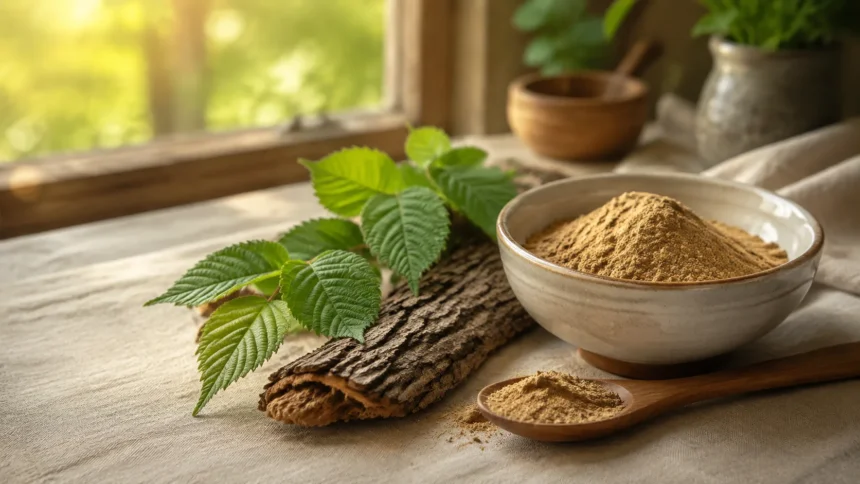
Slippery elm is a traditional herbal remedy made from the inner bark of the slippery elm tree, also known as Ulmus rubra. It has been used for generations as a soothing ingredient for throat irritation, coughs, digestive discomfort, and dry skin. When mixed with water, slippery elm creates a thick, gel-like substance called mucilage. This texture is why it is often described as coating or soothing irritated tissues. Today, slippery elm is sold as powder, capsules, tea, lozenges, tablets, and topical products. Although it is widely used, the scientific evidence behind many slippery elm benefits is still limited.
People often look for slippery elm when they have heartburn, indigestion, constipation, diarrhea, sore throat, or mild cough symptoms. The herb may feel soothing because its mucilage becomes slippery and thick when it comes into contact with liquid. However, feeling soothing is not the same as treating the underlying cause of a health problem. Persistent digestive symptoms, severe reflux, trouble swallowing, blood in the stool, unexplained weight loss, or ongoing cough need medical assessment. Slippery elm may be an optional comfort measure for some people, but it should not replace medical care. Understanding its possible uses and safety limits can help you make a more informed choice.
What Is Slippery Elm?
Slippery elm comes from the inner bark of a tree native to parts of North America. The botanical name is Ulmus rubra, though it may also be called red elm, Indian elm, moose elm, or sweet elm. The inner bark is dried and ground into a powder for use in supplements and traditional preparations. When the powder is mixed with water, it forms a soft, thick texture because of its natural mucilage. This is the main feature that makes slippery elm popular in herbal medicine. The bark is different from the wood or outer bark of the tree.
Mucilage is a type of soluble fiber-like plant material that absorbs water and forms a gel. In slippery elm, this gel may coat the mouth, throat, esophagus, stomach, or digestive tract after it is consumed. That coating effect is why slippery elm is often used in teas, lozenges, and powdered drinks for throat discomfort. It is also why people may use it for indigestion, heartburn, or bowel irregularity. The sensation can be calming for irritated tissues. However, the exact effects can vary from person to person and may depend on the product form.
Slippery elm has a long history in traditional Indigenous medicine in North America. It was used in various ways for coughs, sore throats, digestive concerns, wounds, skin irritation, and nutritional support during recovery from illness. Traditional use is valuable cultural and historical knowledge, but it does not replace modern research on safety and effectiveness. Many herbal remedies have been passed down through generations because they offered comfort or were widely available. Yet modern health claims should still be tested carefully. It is important to respect tradition while avoiding exaggerated promises.
Today, slippery elm is commonly found in multi-ingredient digestive blends. These products may also include marshmallow root, licorice, ginger, fennel, aloe, probiotics, or other herbs. This can make it difficult to know whether any benefit comes from slippery elm itself or from the combination of ingredients. Some products are also flavored or sweetened, especially teas and lozenges. Always read the full supplement label rather than assuming the product contains only slippery elm bark. The other ingredients may have their own side effects, interactions, or safety concerns.
Slippery elm is considered a dietary supplement or herbal product rather than a medication. This means it is not approved as a treatment for acid reflux, irritable bowel syndrome, inflammatory bowel disease, ulcers, infections, or any other medical condition. Supplement quality can vary between brands, batches, and forms. A product may not contain the exact amount of herb listed on the label, especially if quality testing is limited. Choosing a reputable manufacturer and discussing supplements with a pharmacist or clinician can reduce uncertainty. It is especially important if you have a health condition or take regular medication.
Possible Slippery Elm Benefits for Digestion
One of the most common slippery elm uses is for digestive discomfort. People may take it for heartburn, indigestion, mild stomach irritation, bloating, gas, or a feeling of burning in the throat after meals. The mucilage in slippery elm may create a temporary soothing layer in the upper digestive tract. This is why some people find it comforting when they have minor irritation. However, there is not enough high-quality research to show that slippery elm reliably treats digestive disorders. It should not be used as a replacement for treatment when symptoms are persistent or severe.
Some people use slippery elm for acid reflux or gastroesophageal reflux disease, often called GERD. Reflux happens when stomach contents move upward into the esophagus, causing burning, regurgitation, throat irritation, or coughing. Slippery elm may temporarily soothe the throat or upper digestive tract, but it does not correct the underlying cause of reflux. Ongoing reflux can be linked with diet, body weight, hiatal hernia, medication effects, pregnancy, smoking, or other medical factors. Frequent symptoms deserve medical advice because untreated reflux can damage the esophagus over time. Lifestyle changes and proven treatments may be more effective for persistent reflux.
Slippery elm is also sometimes used for constipation. Because it contains mucilage and fiber-like compounds, it may add bulk and hold water in the digestive tract. This could help some people pass stool more comfortably when they also drink enough fluids. However, constipation can have many causes, including low fiber intake, dehydration, medication side effects, thyroid issues, reduced movement, stress, and bowel conditions. Relying only on herbal products may delay care for a more serious issue. New constipation that is severe, painful, prolonged, or linked with bleeding should be assessed by a healthcare professional.
Some supplement brands promote slippery elm for diarrhea or irritable bowel syndrome. The thick texture of mucilage may help some people feel that bowel movements are more comfortable or less irritating. However, irritable bowel syndrome is a complex condition that can involve pain, constipation, diarrhea, bloating, food sensitivities, stress, and gut-brain interactions. There is not enough strong evidence to say slippery elm is an effective stand-alone treatment for IBS. A person may find it useful as part of a broader plan, but that plan should be individualized. A clinician or dietitian can help rule out other digestive causes and identify safer long-term strategies.
Digestive symptoms should always be viewed in context. Mild, occasional indigestion may improve with simple changes such as eating more slowly, avoiding large late meals, reducing alcohol, managing stress, and staying hydrated. Severe symptoms are different and need professional evaluation. Seek medical care for vomiting blood, black stools, bloody stools, unexplained weight loss, severe abdominal pain, persistent vomiting, trouble swallowing, or symptoms that wake you at night. Slippery elm cannot safely treat these warning signs. Herbal remedies are most appropriate when used carefully for minor symptoms, not when they delay diagnosis.
Slippery Elm for Sore Throat and Cough
Slippery elm is commonly used for sore throat relief. The mucilage may coat the throat and create a soothing feeling when taken as tea, powder mixed with water, or a lozenge. This may be especially comforting when the throat feels dry, scratchy, or irritated from coughing. The effect is similar to other demulcent herbs that form a gel-like coating in liquid. It may provide short-term comfort, but it does not remove the virus, allergy, reflux, or irritant causing the sore throat. The underlying cause still matters.
A cough can be triggered by many things, including colds, allergies, postnasal drip, asthma, reflux, smoke exposure, medication effects, or respiratory infections. Slippery elm may feel helpful for a dry or irritated throat, but it should not be seen as a treatment for the cause of the cough. A cough that lasts longer than expected, causes trouble breathing, produces blood, comes with chest pain, or occurs with high fever needs medical attention. Young children, older adults, and people with chronic lung disease may need medical advice sooner. Comfort measures are useful, but they are not a substitute for evaluation when symptoms are concerning.
Lozenges containing slippery elm may be convenient because they slowly dissolve in the mouth. This can increase saliva and keep the throat moist for a short time. However, some lozenges also contain sugar, menthol, artificial sweeteners, or other herbs. These ingredients may not suit everyone, especially people with diabetes, reflux sensitivity, allergies, or digestive problems. Read the label carefully and consider how the full product affects you. If your throat becomes more irritated, stop using it.
Warm fluids can also help relieve throat discomfort. Water, soup, caffeine-free tea, and warm honey-lemon drinks may soothe a scratchy throat for many people. Slippery elm tea can be part of that routine if you tolerate it, but it is not necessarily better than other warm fluids. Honey should not be given to children under one year old because of the risk of infant botulism. Strong herbal products should also be used cautiously in children. When a child has a persistent cough, difficulty breathing, poor feeding, or unusual sleepiness, medical advice is important.
If you use slippery elm for a sore throat, pay attention to duration and severity. A sore throat that lasts more than several days, keeps returning, or comes with difficulty swallowing may have a cause that needs treatment. White patches in the throat, severe swelling, drooling, high fever, rash, neck stiffness, or trouble breathing require prompt care. Do not try to manage serious symptoms only with tea or lozenges. Early treatment can prevent complications and give faster relief. The safest role for slippery elm is temporary symptom comfort, not treatment for severe illness.
Slippery Elm and Skin Uses
Slippery elm has traditionally been used on the skin for minor irritation, dryness, rashes, and small wounds. When mixed with water, its mucilage creates a soft paste-like texture that some people find soothing. It may be included in creams, salves, soaps, or natural skin products. The idea is that the moist texture can create a protective layer over dry or irritated skin. However, there is limited clinical research showing that slippery elm improves specific skin conditions. It should not replace medical treatment for infections, severe eczema, burns, or unexplained rashes.
Dry skin may feel uncomfortable, itchy, flaky, tight, or rough. In many cases, simple fragrance-free moisturizer, gentle cleanser, shorter showers, and avoiding irritants can help. A slippery elm product may feel soothing, but it may not address the cause of dryness. Eczema, contact dermatitis, psoriasis, allergies, climate, medication, and other skin conditions can all contribute. If dryness is severe, painful, cracked, bleeding, or infected-looking, seek medical advice. Applying random herbal products to damaged skin can sometimes make irritation worse.
Some people use herbal pastes or creams on minor cuts, scrapes, or irritated areas. This can be risky if the product is not sterile or if the wound is deep, dirty, infected, or slow to heal. Open wounds need proper cleaning and may need professional care depending on the cause and severity. Do not put slippery elm or other herbal products on a serious burn, animal bite, puncture wound, surgical wound, or deep cut unless a clinician advises it. Infection signs include increasing redness, warmth, swelling, pus, fever, or worsening pain. These symptoms need medical attention.
Allergic reactions are possible with any plant-based product. A topical slippery elm product may cause itching, burning, redness, rash, hives, or swelling in sensitive individuals. If you are trying it on your skin for the first time, consider testing a small amount on a limited area first. Stop using the product if you notice irritation or a worsening rash. Seek urgent help for breathing difficulty, swelling of the lips or face, widespread hives, or faintness. Natural ingredients can still cause allergies.
People with chronic skin conditions should be careful about using unproven remedies as a main treatment. Eczema, psoriasis, rosacea, fungal infections, acne, and contact dermatitis can look similar but need different care. A product that feels soothing may not be appropriate for every condition. For example, oily creams may worsen some acne-prone areas, while certain botanicals may irritate eczema. A dermatologist or healthcare professional can help you identify the cause of a recurring rash. Slippery elm may be a comfort product for some people, but it should not delay accurate diagnosis.
What Does Science Say About Slippery Elm?
The scientific evidence for slippery elm remains limited. Much of the interest in this herb comes from traditional use, its mucilage content, and its place in multi-ingredient products. There are few large, high-quality clinical trials testing slippery elm alone for specific health conditions. This makes it hard to say how well it works, who benefits, or what dose is most effective. A product may be widely used without being strongly proven. This does not mean it has no value, but it does mean claims should stay realistic.
Some research has looked at blends that contain slippery elm along with other herbs or ingredients. These studies may report improvements in digestive symptoms, bowel habits, or throat comfort. However, when several ingredients are used together, it is impossible to know which ingredient produced the effect. The result may come from the combination, from another herb, from dietary changes, or from the natural ups and downs of symptoms. This is why a study on a blend cannot automatically prove that slippery elm alone works. Stronger studies would compare slippery elm directly with a placebo or standard treatment.
The mucilage in slippery elm provides a reasonable explanation for why it may feel soothing. When it absorbs water, it can form a gel-like substance that may coat irritated tissues in the mouth, throat, or digestive tract. This physical effect is different from proving that it heals ulcers, treats inflammatory bowel disease, or cures reflux. Many products can provide temporary comfort without changing the underlying disease process. People should be careful with marketing that turns a soothing effect into a promise of gut repair or complete healing. The body’s digestive system is complex, and major claims need strong evidence.
Slippery elm is sometimes marketed for “gut health” or “healing the gut lining.” These phrases are broad and can be misleading because they are not always tied to a specific diagnosis or measurable outcome. Digestive symptoms may come from infection, food intolerance, celiac disease, inflammatory bowel disease, acid reflux, medication effects, anxiety, or other causes. A supplement cannot reliably treat all of these conditions. If you have recurring symptoms, a proper assessment is more useful than trying several products at random. A clinician can help determine whether tests, dietary changes, or medication are needed.
The best summary is that slippery elm may offer temporary soothing comfort for mild throat or digestive irritation, but it is not a proven cure. It should be viewed as a complementary product rather than a replacement for evidence-based treatment. People who choose to use it should follow label instructions, watch for side effects, and avoid using it as a reason to ignore persistent symptoms. A balanced approach protects you from both unnecessary fear and unrealistic expectations. You can be open to traditional remedies while still asking what the science actually supports.
Potential Side Effects of Slippery Elm
Slippery elm is generally considered to have a low risk of serious side effects when used as directed by healthy adults. Many people tolerate it without problems, especially when it is consumed in typical food-like or supplement amounts. However, research on long-term use and high doses is limited. “Generally safe” does not mean that every product is safe for every person. Different forms, brands, and herbal blends can contain different ingredients. It is still important to pay attention to your body and stop using a product if you feel worse.
Some people may experience digestive effects from slippery elm. Because it contains mucilage and fiber-like compounds, it may cause bloating, fullness, gas, or changes in bowel movements in sensitive people. Taking too much too quickly may make these effects more noticeable. Drinking enough water may be important if you use powdered fiber-containing products. If you develop persistent diarrhea, severe constipation, abdominal pain, or vomiting, stop the product and seek medical advice. These symptoms may be caused by something more serious than a supplement reaction.
Allergic reactions are possible, though they appear to be uncommon. Symptoms may include itching, rash, hives, swelling, throat irritation, or breathing difficulty. A topical product may be more likely to cause skin irritation in people with sensitive skin or plant allergies. Stop using slippery elm if you notice a new rash, burning, or worsening discomfort. Seek urgent medical help if you develop trouble breathing, facial swelling, chest tightness, or faintness. These can be signs of a severe allergic reaction.
One of the most important potential concerns is reduced absorption of oral medications. The mucilage in slippery elm may coat the digestive tract and could slow or reduce how well some medicines are absorbed if taken at the same time. This may be especially important for prescription medication that needs consistent blood levels. To reduce this possibility, many clinicians suggest taking slippery elm separately from oral medications. A pharmacist can give personalized advice based on the medicines you use. Do not stop or alter prescribed treatment because you want to try an herbal product.
Supplement quality is another safety concern. Herbal products are not always regulated in the same way as prescription medication. The amount of slippery elm may differ from what the label suggests, and some products may contain additional herbs, fillers, allergens, or contaminants. Choosing a reputable brand with transparent labeling can reduce some risk. Avoid products that promise to cure serious diseases or replace medical treatment. If a supplement company makes dramatic claims without clear evidence, that is a warning sign. Your health decisions should be based on more than marketing language.
Who Should Avoid or Use Caution With Slippery Elm?
Pregnant people should use caution with slippery elm because there is not enough reliable safety information for pregnancy. Some traditional claims about herbs may not be supported by modern safety data. Pregnancy is a time when even common supplements can affect the body differently. If you are pregnant and have heartburn, constipation, nausea, or throat irritation, ask your prenatal healthcare provider about safer options. Do not assume an herbal product is safe simply because it is natural. Professional guidance can protect both you and the pregnancy.
People who are breastfeeding should also speak with a clinician before using slippery elm regularly. There is limited information about whether the herb or its compounds pass into breast milk or affect a nursing infant. A product marketed as gentle may still be unsuitable for a newborn or premature baby. Some herbal blends include multiple ingredients, increasing uncertainty. A doctor, pharmacist, or lactation-informed healthcare professional can help you choose options with better safety information. The same caution applies to anyone caring for an infant with feeding or digestive concerns.
Children should not be given slippery elm supplements without professional advice. Children can react differently to herbs, and safe doses are not well established for every age group. Lozenges may also pose a choking risk for young children. A child with persistent cough, sore throat, vomiting, diarrhea, constipation, fever, or poor appetite may need medical evaluation rather than a supplement. Caregivers should not rely on adult product labels when choosing remedies for children. Pediatric guidance is the safest approach.
People taking prescription medication should check with a pharmacist or clinician before using slippery elm. The concern is not that every medication has a confirmed interaction, but that mucilage may interfere with the timing and absorption of oral medicines. This is especially important for medications used for thyroid conditions, heart disease, seizures, blood thinning, diabetes, mental health conditions, and infections. Taking a supplement at a different time may help, but personalized advice is better than guessing. Bring the supplement label to your appointment or pharmacy if possible. This makes it easier for the professional to review the full ingredient list.
People with chronic digestive conditions should not self-treat worsening symptoms with slippery elm alone. This includes people with inflammatory bowel disease, celiac disease, ulcers, gastrointestinal bleeding, chronic reflux, bowel obstruction, or unexplained abdominal pain. A soothing herb may temporarily mask symptoms while the underlying condition continues. If you have severe pain, persistent vomiting, blood in the stool, black stools, unexplained weight loss, or difficulty swallowing, seek medical care promptly. These symptoms require evaluation and should not be managed with supplements. Slippery elm can be optional, but diagnosis and treatment must come first.
How to Use Slippery Elm Safely
Choose the product form that fits your purpose and read the label carefully. Slippery elm powder is often mixed with water or added to a warm drink. Lozenges may be used for temporary throat comfort, while capsules are often marketed for digestive support. Topical creams or salves may be sold for dry skin or minor irritation. Each form may contain different amounts of slippery elm and different additional ingredients. Follow the product directions rather than assuming all forms can be used in the same way.
There is no universally established slippery elm dosage for every health goal. The right amount can depend on the product, form, concentration, age, health status, and reason for use. Avoid taking more than the label recommends in the hope of getting faster or stronger results. More is not necessarily better, especially with supplements that have limited long-term research. If you are unsure about the amount, ask a pharmacist or qualified healthcare professional. This is particularly important if you are using it regularly rather than occasionally.
Take slippery elm separately from oral medications unless a pharmacist or clinician tells you otherwise. Because the herb’s mucilage may affect absorption, spacing it away from prescription or over-the-counter medicines can be a sensible precaution. Do not use the herb as a substitute for medication that has been prescribed for reflux, asthma, infection, thyroid disease, diabetes, or another health condition. If you notice changes in symptoms after starting a supplement, discuss them with your healthcare provider. Keep a simple record of when you take products and how you feel. This can help identify possible interactions or side effects.
Use plenty of clean water when taking powdered slippery elm products. The powder thickens when mixed with liquid, and drinking enough fluid may make it easier to swallow and more comfortable to use. Do not take dry powder without water because it may irritate the throat or create a choking risk. Avoid taking any oral supplement if you have trouble swallowing unless a healthcare professional says it is safe. If you develop chest pain, severe throat pain, or a sensation that food or medicine is stuck, seek medical help. Swallowing problems deserve evaluation.
Treat slippery elm as a short-term comfort tool rather than a permanent solution for unresolved symptoms. If a sore throat, cough, reflux problem, constipation, diarrhea, or stomach pain keeps returning, it is time to look for the cause. A symptom diary may help identify patterns related to food, stress, sleep, medication, allergies, or illness. Bring that information to a healthcare professional if symptoms are recurring or affecting daily life. The goal is not simply to cover discomfort, but to understand what your body needs. Safe self-care always includes knowing when to seek more help.
The Bottom Line on Slippery Elm
Slippery elm is a traditional herbal product made from the inner bark of the Ulmus rubra tree. Its mucilage forms a thick, soothing gel when mixed with water, which is why it is often used for throat irritation and digestive discomfort. Some people find it helpful for mild heartburn, sore throat, cough, constipation, or bowel irritation. However, strong scientific evidence for many of these uses is limited. It should be viewed as a comfort measure, not a cure for chronic or serious health problems.
The possible benefits of slippery elm are closely linked to its texture and coating effect. It may temporarily soothe irritated tissue in the throat or digestive tract. That does not mean it heals ulcers, cures reflux, repairs the gut, treats inflammatory bowel disease, or eliminates chronic cough. Be cautious of supplement marketing that promises dramatic results. A product can be traditional and soothing without being a proven medical treatment. Realistic expectations are an important part of using herbal remedies safely.
Most healthy adults may tolerate slippery elm well when it is used according to label directions. Still, possible issues include digestive discomfort, allergy, skin irritation, and interference with the absorption of oral medications. Quality can also vary across brands and products. Speak with a pharmacist or clinician if you use prescription medication or have a chronic health condition. Caution is especially important during pregnancy, breastfeeding, and childhood. A little extra planning can prevent avoidable problems.
Use slippery elm carefully and pay attention to the full product label. Choose reputable manufacturers, avoid mega-doses, and do not mix multiple herbal remedies without understanding the ingredients. Take it separately from oral medication unless a healthcare professional gives you different instructions. Stop using it if you develop a rash, breathing problems, worsening stomach pain, or other unusual symptoms. Your body’s response matters more than a product’s promises. If you are unsure, ask for professional advice.
The most important rule is not to delay medical care for serious symptoms. Blood in the stool, black stools, severe abdominal pain, persistent vomiting, unexplained weight loss, difficulty swallowing, chest pain, high fever, or a cough with breathing difficulty need medical evaluation. Slippery elm cannot safely treat these problems. When used for occasional minor discomfort, it may be a reasonable complementary option for some people. When symptoms are persistent or severe, getting the right diagnosis is the better next step. That balance helps you use herbal products responsibly.
Frequently Asked Questions
What is slippery elm good for?
Slippery elm is commonly used for temporary relief of sore throat, dry cough, mild heartburn, indigestion, and bowel discomfort. Its mucilage may create a soothing coating effect, but evidence for treating disease is limited.
Can slippery elm help with acid reflux?
It may temporarily soothe throat or upper digestive irritation for some people. However, it does not treat the underlying cause of frequent reflux or GERD, so ongoing symptoms should be discussed with a clinician.
Does slippery elm have side effects?
Most healthy adults tolerate it well, but it may cause digestive discomfort, skin irritation, or allergic reactions in some people. It may also reduce the absorption of oral medication if taken at the same time.
Can I take slippery elm with medication?
Use caution because slippery elm’s mucilage may affect medication absorption. Ask a pharmacist or clinician how to space it safely from your prescription and over-the-counter medicines.
Is slippery elm safe during pregnancy?
There is not enough reliable safety information to recommend slippery elm during pregnancy or breastfeeding. Speak with your prenatal healthcare provider before using any herbal supplement.