
What Kills Cold Sores Fast? Treatments That Help
Cold sores can feel painful, frustrating, and impossible to hide. Many people search for something that will kill a cold sore fast, especially when tingling starts before an important event, trip, date, or presentation. The honest answer is that there is no instant cure that removes a cold sore overnight. Cold sores are caused by the herpes simplex virus, which stays in the body after infection. However, starting the right treatment early can shorten an outbreak, reduce discomfort, and help the sore heal more quickly.
The best approach depends on how often your cold sores occur, how severe they are, and how early you begin treatment. Prescription antiviral medicines are usually the most effective option for shortening outbreaks, particularly when taken at the first sign of tingling or burning. Over-the-counter creams, cold compresses, lip protection, and pain relief can also make the healing process more manageable. This guide explains what actually helps, what to avoid, how to prevent spreading the virus, and when to see a healthcare professional.
What Causes Cold Sores?
Cold sores are small blisters usually caused by herpes simplex virus type 1, often called HSV-1. They most commonly form on or around the lips, but they can also appear near the nose, cheeks, chin, or mouth. The virus spreads through close skin-to-skin contact, kissing, saliva, or sharing items that touch the mouth, such as lip balm, utensils, razors, towels, or drinks. A person can carry HSV-1 without having visible sores. This means the virus may spread even when someone does not realize they have an active infection. Cold sores are common and are not a sign that someone has done anything wrong.
After the first infection, the virus remains inactive in the body’s nerve cells. At certain times, it can reactivate and cause another cold sore outbreak. Reactivation may happen when the immune system is under stress or when the body is dealing with another trigger. Not everyone who has HSV-1 gets recurring cold sores. Some people have one outbreak and never notice another, while others get several outbreaks per year. The frequency can change over time. Learning your own triggers can help you take action early and reduce how often outbreaks interfere with your life.
Many common situations can trigger cold sores. Illness, fever, stress, lack of sleep, sun exposure, cold weather, hormonal changes, dental procedures, and minor mouth injuries can all contribute. Some people notice outbreaks after eating certain foods, but food triggers are highly individual and are not always easy to prove. The most useful strategy is to notice patterns rather than blame yourself for every outbreak. Keeping a simple note of when cold sores occur can reveal whether stress, sunlight, illness, or another factor is involved. This information can help you plan prevention strategies with a healthcare professional.
Cold sores often begin with a warning stage called the prodrome. You may feel tingling, itching, burning, tightness, or sensitivity in one area of the lip before a blister appears. This early stage is the best time to begin antiviral treatment because the virus is actively multiplying before the sore becomes obvious. After tingling, fluid-filled blisters may form, break open, crust over, and gradually heal. The entire process can take around one to two weeks, although some outbreaks last longer. Starting treatment late may still help, but early action usually offers the greatest benefit.
A cold sore is not the same as a canker sore. Cold sores usually appear on the outside of the mouth, lips, or nearby skin and are caused by herpes simplex virus. Canker sores usually occur inside the mouth, such as on the tongue, cheeks, gums, or inside the lips. They are not caused by HSV and are not contagious. The treatments also differ, which is why identifying the sore correctly matters. If you are unsure whether you have a cold sore, canker sore, angular cheilitis, impetigo, or another skin condition, a clinician can help.
The Fastest Treatments for Cold Sores
Prescription antiviral medicine is generally the most effective way to shorten a cold sore outbreak. Common options include acyclovir, valacyclovir, famciclovir, and penciclovir. These medicines do not remove herpes simplex virus from the body, but they can slow viral replication during an outbreak. They are most effective when started as soon as you notice tingling, burning, or itching. For people who get frequent or severe cold sores, a clinician may prescribe medicine to keep on hand so treatment can begin quickly. The right medication and dose depend on your health history and the type of outbreak you experience.
Oral antiviral tablets often work better than topical creams for significant or recurrent cold sores. A clinician may prescribe a short treatment course at the first sign of an outbreak. Some people with frequent recurrences may be offered preventive antiviral treatment to reduce how often outbreaks happen. This approach can be especially helpful when cold sores are severe, painful, predictable, or triggered by known events. Oral antivirals are prescription medicines, so they should be used exactly as directed. Tell your clinician about kidney disease, pregnancy, breastfeeding, other medications, and any previous reactions to antiviral treatment.
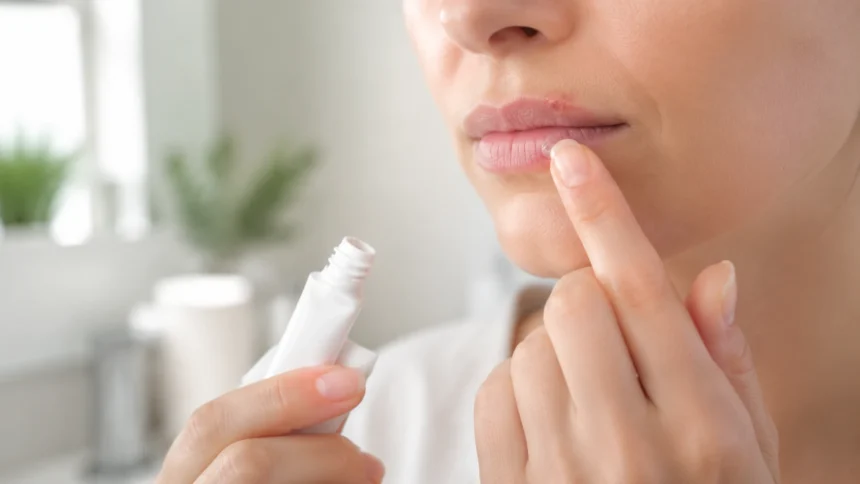
Topical antiviral creams may help if they are applied very early. Prescription acyclovir or penciclovir creams are used on cold sores around the lips and face. They may slightly shorten healing time and reduce discomfort, but their effect is generally more limited than oral antiviral medication. Over-the-counter docosanol cream may also help some people when used during the tingling stage. These products are not instant cures, and they usually work best before a blister fully develops. Follow the product instructions carefully and avoid sharing creams or touching the tube directly to the sore.
Cold sores tend to heal best when the skin is kept clean and protected. Gently wash the area with mild soap and water, then pat it dry. Avoid scrubbing, peeling, squeezing, or repeatedly touching the sore because this can cause more irritation and spread the virus. A plain lip balm or protective ointment may help prevent painful cracking, especially when the sore is dry or crusting. Use a clean cotton swab or washed hands to apply products. Do not share lip products, towels, cups, or utensils during an active outbreak.
The fastest plan is usually to act at the first warning sign rather than waiting for a blister to appear. If you get recurrent cold sores, ask a clinician ahead of time about whether having a prescription antiviral available would be appropriate. Keep a small cold sore care kit with lip balm, clean cotton swabs, sunscreen lip protection, and any prescribed medication. This can make it easier to respond quickly when tingling begins. Early treatment may not stop every outbreak completely, but it can reduce the duration and severity for many people. Consistency matters more than searching for aggressive home remedies.
Cold Sore Pain Relief That Actually Helps
Cold sores can sting, burn, itch, or feel tight, especially when the blisters first appear. A cool compress can provide gentle relief by reducing inflammation and numbing the area slightly. Wrap ice or a cold pack in a clean cloth rather than applying it directly to the skin. Use it for brief intervals to avoid irritating the delicate skin around the mouth. A clean, cool washcloth can be enough for many people. If cold feels uncomfortable, a warm compress may be soothing instead.
Over-the-counter pain relievers may help with discomfort from a cold sore. Acetaminophen or ibuprofen can reduce pain for many adults when used according to package directions. However, these medicines are not suitable for everyone. People with liver disease, kidney disease, stomach ulcers, bleeding disorders, certain heart conditions, pregnancy, or medication interactions should check with a pharmacist or clinician first. Never exceed the recommended dose, and do not combine multiple products that contain the same ingredient. Pain medicine can improve comfort, but it does not treat the virus itself.
Topical numbing products may temporarily reduce pain, particularly if the cold sore is making eating or talking uncomfortable. Products containing ingredients such as benzocaine or lidocaine may be available in some locations. Use them only as directed and avoid applying them excessively, because overuse can irritate the skin or cause other side effects. Be careful not to let numbing products spread into the mouth or eyes. If the sore is near the eye, do not self-treat it with lip products or topical creams. Eye symptoms related to herpes need prompt medical evaluation.
Certain foods can make cold sores feel worse. Spicy, salty, acidic, or very hot foods may sting the sore and increase discomfort. Citrus fruits, tomatoes, vinegar, chili, salty snacks, and hot drinks can be especially irritating when the skin is cracked or blistered. Softer, cooler foods may be easier to tolerate during a painful outbreak. Drinking enough water can also help if sore lips make eating and drinking uncomfortable. This does not cure the cold sore, but reducing irritation can make healing easier to manage.
Avoid picking or peeling the crust from a cold sore. It can be tempting to remove dry skin because the area may look uneven or feel tight. However, picking can reopen the wound, cause bleeding, delay healing, and increase the chance of bacterial infection. If the lips feel dry, use a clean, plain barrier ointment or lip balm to soften cracking. Let the sore heal naturally rather than trying to speed it up through harsh exfoliation. Gentle care is usually more effective than aggressive treatment.
Home Remedies: What Helps and What to Avoid
A cool compress is one of the safest home measures for a cold sore. It can reduce temporary pain, swelling, and redness without damaging the skin. Use a clean cloth each time and avoid sharing it with anyone else. Keep the area dry after using the compress, especially if the blister has opened. Some people prefer a wrapped ice cube, while others find a chilled washcloth more comfortable. The goal is gentle symptom relief, not freezing or irritating the sore.
Plain petroleum jelly or a fragrance-free lip balm can help protect a cold sore from cracking. The sore may become dry and painful, especially when you smile, eat, talk, or go outside in windy weather. A protective barrier can reduce friction and help the skin stay more comfortable while it heals. Use a clean finger or cotton swab rather than applying a shared lip balm directly to the sore. Once a lip balm has touched an active cold sore, do not share it with anyone. Consider replacing it after the outbreak has healed.
Some people use aloe vera gel for soothing irritation around the lips. A small amount of plain, fragrance-free aloe gel may feel cooling for some individuals. However, aloe is not a proven cure for herpes simplex virus and should not replace antiviral treatment if you need it. Avoid products containing alcohol, fragrance, menthol, strong essential oils, or other ingredients that may sting broken skin. If a product burns, causes a rash, or makes the sore feel worse, wash it off gently and stop using it. Simpler products are usually safer for irritated skin.
Do not use toothpaste, bleach, rubbing alcohol, nail polish remover, undiluted essential oils, garlic, or other harsh substances on a cold sore. These remedies are often promoted online as quick fixes, but they can burn the skin, worsen inflammation, and delay healing. A cold sore is already an open or irritated skin lesion, so harsh chemicals can create additional damage. It is understandable to want a fast solution, but painful home remedies rarely provide real benefit. Antiviral treatment and gentle symptom care are much more reliable options. If a remedy sounds extreme, it is usually best to avoid it.
Supplements such as lysine, vitamins, herbal products, or immune-support blends are often marketed for cold sores. Some people feel they help, but evidence is mixed, and supplements do not work as a replacement for antiviral medication. Supplements can also interact with medicines, affect medical conditions, or cause side effects. Be cautious with products that promise to eliminate HSV permanently or stop every outbreak. There is currently no cure that removes herpes simplex virus from the body. Discuss supplements with a clinician or pharmacist if you are pregnant, breastfeeding, immunocompromised, or taking prescription medicines.
How to Stop Cold Sores From Spreading
Cold sores are most contagious when blisters are present, leaking fluid, or crusting. However, HSV can sometimes spread even when there is no visible sore. Avoid kissing and oral contact when you feel tingling or have an active outbreak. Do not share drinks, utensils, towels, washcloths, lip balm, lipstick, toothbrushes, razors, or any item that touches the mouth. These steps reduce risk but cannot eliminate it completely. Open communication and careful hygiene are important for protecting others.
Wash your hands after touching your mouth or applying cold sore medication. This is especially important before touching your eyes, putting in contact lenses, handling food, or caring for young children. Herpes simplex virus can spread to other parts of the body if it is transferred from an active sore. Eye infection is a particular concern because herpes can affect vision if not treated quickly. If you develop eye pain, redness, light sensitivity, blurred vision, or a rash near the eye, seek urgent medical care. Do not attempt to treat possible eye herpes with regular cold sore creams.
Avoid oral sex when you have an active cold sore or feel one starting. HSV-1 can spread from the mouth to a partner’s genital area through oral-genital contact. Barrier methods can reduce risk, but they do not fully prevent transmission because HSV can affect skin outside the area covered. It is safest to wait until the sore has completely healed and the skin looks normal again. Talking openly with partners may feel awkward, but it is an important part of informed consent and sexual health. Avoiding contact during outbreaks is one of the most practical ways to lower transmission risk.
Be extra careful around newborn babies, people with weakened immune systems, and anyone with severe eczema or other skin conditions. Herpes infections can be more serious in these groups. Do not kiss a baby or touch a baby’s face if you have a cold sore or feel tingling. Wash hands thoroughly before touching infant items, bottles, toys, or pacifiers. If you are a caregiver and develop a cold sore, ask a healthcare professional about appropriate precautions. Protecting vulnerable people is an important reason to take outbreaks seriously without feeling ashamed.
Cold sore prevention also includes recognizing your personal warning signs. If you know that tingling usually appears before a visible blister, treat that stage as contagious. Keep products such as antiviral medicine, sunscreen lip balm, and clean applicators ready so you do not need to search for them during an outbreak. Reducing stress and getting adequate sleep may also help lower recurrence for some people. No prevention method works perfectly every time, but a consistent routine can reduce risk. Small daily habits are often more helpful than reacting only after a blister appears.
Preventing Future Cold Sore Outbreaks
Sun exposure is a common trigger for many people with cold sores. Use a broad-spectrum lip balm with sun protection when you spend time outdoors, particularly during summer, beach trips, skiing, or high-altitude travel. Reapply it according to the label, especially after eating, drinking, swimming, or sweating. Wearing a hat can provide additional protection for the face and lips. Sun protection will not prevent every outbreak, but it can help if ultraviolet light is one of your personal triggers. It also supports overall lip and skin health.
Stress management may help reduce outbreaks for some people. Stress does not cause HSV infection, but emotional strain can make it easier for the virus to reactivate in people who already carry it. Try to identify practical ways to lower stress during demanding periods. Regular movement, sufficient sleep, relaxing routines, realistic scheduling, breathing exercises, time outdoors, and social support can all help. You do not need a perfect lifestyle to reduce outbreaks. Consistent, manageable habits are more useful than intense wellness routines that add more pressure.
Illness and lack of sleep can also trigger cold sores. During colds, flu, fever, dental procedures, or periods of exhaustion, pay close attention to early lip tingling. If you have a history of recurrent outbreaks, this may be the right time to start a clinician-approved antiviral plan. Keeping hydration, nutrition, and rest in mind can support recovery from illness in general. It may not fully stop the cold sore virus from reactivating, but it helps your body handle stress more effectively. If outbreaks happen frequently during illness, discuss preventive options with a healthcare professional.
Some people have predictable outbreaks before weddings, exams, travel, menstruation, dental visits, or long periods in the sun. If you can identify a pattern, speak with a clinician before the event rather than waiting for a sore to appear. They may recommend an episodic treatment plan that starts at the first symptom or a preventive approach for frequent recurrences. Planning ahead can reduce anxiety and make the outbreak feel more manageable. Never use someone else’s prescription antiviral medication. Your treatment plan should be based on your medical history and individual needs.
Good lip care can make a difference for people who get cold sores after chapped lips or skin irritation. Use a plain moisturizing lip balm regularly, stay hydrated, and avoid products that repeatedly sting or dry the lips. If you have eczema, allergies, or chronic lip irritation, treating those issues may reduce triggers around the mouth. Avoid picking at dry skin or biting your lips, since small injuries can sometimes contribute to outbreaks. Prevention is not about controlling every trigger perfectly. It is about reducing avoidable irritation and responding early when symptoms begin.
When to See a Doctor for Cold Sores
See a healthcare professional if your cold sore is unusually large, very painful, spreading, or not healing within about two weeks. A persistent lesion may not be a typical cold sore, or it may need prescription treatment. A clinician can examine the area and determine whether testing is needed. They may also check for bacterial infection, another skin condition, or a problem affecting the immune system. Do not keep trying stronger home remedies if the sore is worsening. Professional advice is safer when an outbreak does not follow its usual pattern.
Seek urgent medical care if a cold sore is near your eye or if you develop eye pain, redness, swelling, light sensitivity, blurred vision, or a feeling that something is in the eye. Herpes simplex can infect the eye and may cause serious complications if treatment is delayed. Do not wear contact lenses or use eye drops unless a healthcare professional advises you to do so. Avoid touching your eyes after touching a cold sore. Eye symptoms need same-day assessment because vision can be affected. This is one situation where waiting for the sore to heal is not appropriate.
People with weakened immune systems should contact a healthcare professional promptly for a new or worsening cold sore. This includes people receiving chemotherapy, taking immune-suppressing medication, living with advanced immune conditions, or recovering from an organ transplant. Cold sores can be more severe, more widespread, or slower to heal when the immune system is weakened. Infants and newborns also need urgent medical attention if they have suspected herpes exposure or develop a blistering rash, fever, poor feeding, or unusual sleepiness. Herpes infection can be serious in newborns.
Frequent cold sore outbreaks are another reason to book an appointment. If you get outbreaks several times a year, have painful recurrences, or notice that cold sores interfere with work, relationships, eating, or confidence, a clinician can discuss prevention. Prescription antivirals may reduce how often cold sores occur and may make outbreaks shorter when they happen. A clinician can also help identify possible triggers and rule out other causes of recurrent lip lesions. You do not need to tolerate frequent outbreaks without support. Treatment plans can be tailored to your needs.
Talk to a clinician before using prescription medication if you are pregnant, breastfeeding, have kidney disease, or take regular medicines. Antiviral treatments are often used safely in many situations, but the choice and dose should be individualized. A pharmacist can also help you compare over-the-counter creams, pain relief options, and possible interactions. Be honest about how often outbreaks occur and what you have already tried. This helps avoid treatments that are unlikely to work for you. The best cold sore treatment plan is one you can start early and use safely.
FAQs About Cold Sore Treatments
What kills cold sores the fastest?
Prescription antiviral medicines started at the tingling stage are usually the most effective way to shorten a cold sore outbreak. They do not cure HSV, but they can help sores heal faster and reduce symptoms.
Can a cold sore heal overnight?
No treatment can reliably remove a cold sore overnight. Early antiviral treatment, gentle skin care, and pain relief may shorten the outbreak and make it more comfortable.
Does toothpaste make cold sores go away?
No. Toothpaste can dry and irritate the skin, making a cold sore more painful. Use a protective lip balm, cold compress, or clinician-recommended antiviral treatment instead.
Are cold sores contagious after they scab?
Yes. Cold sores can still spread while they are scabbed or healing. Avoid kissing, oral sex, and sharing lip products, drinks, utensils, or towels until the skin has completely healed.
When should I worry about a cold sore?
Seek medical advice if a cold sore lasts longer than two weeks, is very painful or widespread, occurs near the eye, keeps returning often, or develops while your immune system is weakened.