
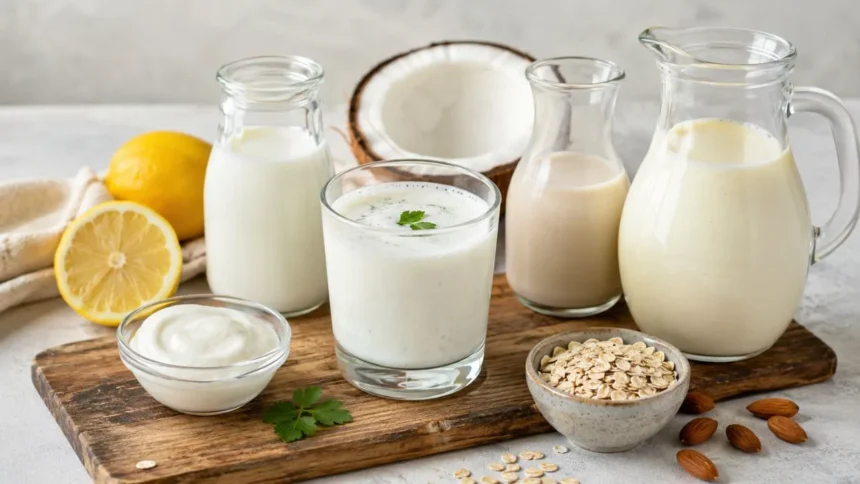
Buttermilk Substitute: Make the Right Swap for Any Recipe
A recipe may call for buttermilk when you have none in the refrigerator, but that does not mean you need to abandon your baking plans. Several common kitchen ingredients can recreate its acidity, moisture and creamy texture. The best replacement depends on what you are cooking and which ingredients you already have.
A simple buttermilk substitute can be made by combining regular milk with lemon juice or white vinegar. Yogurt, sour cream and kefir can also work because they naturally provide the tangy flavour and acidity that many recipes require. Plant-based versions are available for people who avoid dairy.
Buttermilk is especially important in pancakes, cakes, muffins, biscuits, fried chicken and marinades. Its acidity reacts with baking soda, helping baked goods rise and develop a lighter texture. It also adds moisture and a mild tang without making the finished dish taste strongly sour.
This guide explains the best substitutes for buttermilk, how much to use and which options work best for different recipes. You will also learn which swaps can change the texture, how to create dairy-free alternatives and what mistakes to avoid when replacing buttermilk.
What Is Buttermilk?
Traditional buttermilk was the thin liquid left behind after cream was churned into butter. It had a naturally tangy taste because beneficial bacteria fermented the milk sugars. This original version is still used in some regions, but it is different from most buttermilk sold in supermarkets today.
Modern commercial buttermilk is usually made by adding bacterial cultures to low-fat or skimmed milk. The cultures produce lactic acid, which gives the milk its thicker consistency and slightly sour flavour. This process is similar to the fermentation used to make yogurt and certain cultured dairy products.
The acidity of buttermilk is one of its most important qualities in cooking. It can react with alkaline ingredients such as baking soda, producing carbon dioxide bubbles that help doughs and batters expand. This reaction can make cakes, pancakes and biscuits softer and less dense.
Buttermilk also contributes flavour and moisture. Its gentle tang can balance sweetness in cakes or add depth to savoury dishes. In marinades, the acidity helps soften the surface of meat while allowing seasonings to stick more effectively during cooking.
Why Recipes Use Buttermilk
Baking recipes often use buttermilk to activate baking soda. When acid and baking soda combine, they create bubbles that help the batter rise. Removing the acidic ingredient without replacing it may leave cakes, muffins or pancakes flatter and heavier than intended.
Buttermilk also affects gluten development. Its acidity can help create a softer texture in biscuits, quick breads and cakes. This is especially valuable in recipes where tenderness is more important than the strong, chewy structure needed for ordinary yeast bread.
Moisture is another reason buttermilk appears in baked goods. It adds liquid without making the batter taste watery or bland. Its thickness can also help distribute flour, sugar and fat evenly, creating a smooth mixture and more consistent results.
In savoury cooking, buttermilk may be used to marinate chicken, coat vegetables or create creamy dressings. Its acidity and texture help seasonings cling to food. A successful replacement should therefore match the original ingredient’s purpose rather than copying only its colour.
1. Milk and Lemon Juice
Milk and lemon juice create one of the easiest homemade buttermilk alternatives. To replace one cup of buttermilk, place one tablespoon of lemon juice in a measuring cup. Add enough milk to reach the one-cup line, stir gently and allow the mixture to rest.
Leave the mixture for approximately five to ten minutes before using it. The milk may appear slightly thickened or curdled, which is normal. The lemon juice lowers the pH and provides the acidity needed to react with baking soda in the recipe.
This combination works particularly well in pancakes, cupcakes, muffins, quick breads and everyday cakes. Its consistency may be slightly thinner than cultured buttermilk, but the difference is usually small in recipes that contain flour, eggs and other structure-building ingredients.
Use fresh or bottled lemon juice when necessary, but avoid adding more than the recommended quantity. Excess juice can create an overly sharp flavour and may change the balance of the batter. Measure the finished mixture as one complete cup rather than adding a cup of milk after the lemon juice.
2. Milk and White Vinegar
Milk and white vinegar provide another quick substitute for buttermilk. Add one tablespoon of plain white vinegar to a measuring cup, then pour in enough milk to make one cup. Stir the mixture and let it stand for five to ten minutes.
The vinegar creates acidity without adding a noticeable flavour when used in the correct amount. The milk may separate slightly or form small curds. This appearance is expected and does not mean the mixture has spoiled during the short resting period.
This replacement is suitable for biscuits, scones, pancakes, waffles, cakes and fried-food batters. White vinegar has a neutral taste, making it a useful choice when you do not want the mild citrus note that lemon juice can occasionally add.
Avoid strongly flavoured vinegars such as balsamic, malt or red wine vinegar unless the recipe specifically suits them. Apple cider vinegar may work, but it can introduce a subtle fruity flavour. Plain white vinegar is generally the most reliable option for sweet and neutral recipes.
3. Plain Yogurt and Water
Plain yogurt is already cultured and acidic, making it an effective substitute for buttermilk. However, full-strength yogurt is usually thicker than buttermilk. Diluting it with a small amount of water or milk creates a consistency that blends more easily into most batters.
For one cup of replacement, combine approximately three-quarters of a cup of plain yogurt with one-quarter of a cup of water or milk. Whisk until the mixture becomes smooth and pourable. Greek yogurt may require slightly more liquid because it is considerably thicker.
Yogurt works well in cakes, muffins, pancakes, cornbread and savoury marinades. It provides acidity, moisture and a creamy texture. In some recipes, it can produce a slightly richer result than the milk-and-vinegar method because yogurt contains more milk solids.
Choose unsweetened and unflavoured yogurt. Vanilla or fruit-flavoured varieties can add sugar and unwanted flavours to the recipe. If the yogurt is particularly tangy, taste-sensitive dishes may need a mild variety or a slightly larger proportion of water.
4. Sour Cream and Water
Sour cream has the acidity and richness needed to replace buttermilk, but it must usually be thinned before use. Combine approximately three-quarters of a cup of sour cream with one-quarter of a cup of water or milk to produce one cup of replacement.
Whisk the ingredients until no thick lumps remain. The final consistency should pour easily but still appear creamy. If the sour cream is especially dense, add the liquid gradually until the mixture resembles ordinary cultured buttermilk.
This option is excellent for rich cakes, coffee cakes, muffins, biscuits and cornbread. Sour cream contains more fat than traditional buttermilk, so it may create a softer crumb and fuller flavour. That extra richness can be desirable in desserts and tender baked goods.
It may be less suitable for recipes where a thin liquid is needed to coat food evenly. For example, heavily diluted sour cream can work in a chicken marinade, but yogurt or milk with lemon juice may spread more easily over the meat.
5. Kefir
Plain kefir is one of the closest ready-made replacements because it is a fermented milk drink with natural acidity. Its texture is usually similar to or slightly thinner than cultured buttermilk. In many recipes, it can be used in an equal one-to-one quantity.
Kefir contains live cultures and has a tangy flavour that works well in pancakes, muffins, cakes and quick breads. It also performs effectively in marinades and salad dressings. Its natural acidity can activate baking soda without requiring added lemon juice or vinegar.
Always choose plain, unsweetened kefir when replacing buttermilk. Flavoured versions may contain sugar, fruit or artificial flavouring that changes the final dish. Low-fat and whole-milk kefir can both work, although their richness may produce slightly different results.
Because kefir is fermented, its flavour can sometimes be stronger than ordinary buttermilk. This is rarely noticeable after baking, but it may be more apparent in uncooked dressings or dips. Taste the mixture before adding strong seasonings or additional acids.
6. Milk and Cream of Tartar
Cream of tartar can provide the acidity needed when lemon juice and vinegar are unavailable. For one cup of milk, use approximately one and three-quarter teaspoons of cream of tartar. The powder should be mixed carefully to prevent clumping.
One method is to whisk the cream of tartar into the dry ingredients before adding the milk. This usually distributes the powder more evenly than stirring it directly into cold liquid. You can then use the milk as the recipe’s liquid component.
This approach works best in baking recipes where acidity is needed to activate baking soda. It is suitable for cakes, pancakes, biscuits and quick breads. However, it does not produce the same thickness or cultured flavour as yogurt, kefir or sour cream.
Milk and cream of tartar may not be the best choice for dressings or marinades that depend on buttermilk’s creamy texture. In those dishes, a diluted fermented dairy product generally creates a more convincing result and coats the ingredients more effectively.
7. Dairy-Free Buttermilk Substitute
A dairy-free buttermilk substitute can be made with unsweetened plant-based milk and an acidic ingredient. Add one tablespoon of lemon juice or white vinegar to a measuring cup, then add enough plant milk to reach one cup. Stir and let it rest briefly.
Soy milk usually thickens most effectively because its protein content is closer to dairy milk. Oat milk also works well in many baking recipes and provides a mild flavour. Almond milk can be used, although its thinner consistency may slightly affect delicate batters.
Choose an unsweetened and unflavoured plant milk. Sweetened vanilla milk can change both the sugar level and flavour of biscuits, savoury breads or marinades. Also check whether the product contains ingredients that may conflict with allergies or dietary restrictions.
This vegan buttermilk substitute works well in pancakes, muffins, cakes and quick breads. Results may vary by brand because plant milks contain different amounts of protein, fat and stabilisers. Soy or oat milk is generally the safest starting point when texture matters.
8. Buttermilk Powder
Buttermilk powder is a shelf-stable option for people who bake regularly but do not want to keep fresh buttermilk in the refrigerator. It is made by removing moisture from cultured buttermilk, leaving a dry powder that can be stored for longer periods.
Follow the package directions because the concentration can vary between brands. Usually, the powder is mixed with the recipe’s dry ingredients, while the required quantity of water is added with the wet ingredients. This helps prevent the powder from forming lumps.
Buttermilk powder is useful in pancakes, biscuits, muffins, cakes and bread mixes. It can provide the characteristic tang and acidity of real buttermilk more reliably than some emergency substitutions. It is also convenient for recipes that require only a small quantity.
The powder may not perform as well in uncooked dressings or marinades where the creamy texture of fresh buttermilk is important. However, it is one of the best pantry options for frequent bakers who want consistent results without wasting an opened carton.
Best Substitute for Pancakes
Milk and lemon juice or milk and vinegar are excellent replacements for buttermilk pancakes. Both options create the acidity needed to react with baking soda, helping the pancakes become light and fluffy. They also use ingredients commonly available in most kitchens.
Plain yogurt diluted with water can produce thicker and richer pancakes. This option is useful when you prefer a soft interior and a slightly tangy flavour. If the batter becomes too thick, add one tablespoon of water or milk at a time.
Avoid overmixing the pancake batter after adding the liquid. Stir only until the dry ingredients are moistened. Small lumps are acceptable, while excessive mixing can develop more gluten and create tough or rubbery pancakes.
Allowing the batter to rest for several minutes may help the flour hydrate and improve the final texture. However, do not leave a baking-soda batter sitting for too long because the acid and alkaline ingredients begin reacting as soon as they are combined.
Best Substitute for Biscuits
Cold milk with lemon juice or vinegar works well for homemade biscuits. The acidic mixture supports rising while providing enough moisture to bring the dough together. For better results, keep the liquid chilled until you are ready to mix it with the dry ingredients.
Diluted yogurt is another effective option because its thickness can help create a tender dough. It may produce biscuits with a slightly richer texture. Add the mixture gradually, since different flours absorb moisture at different rates.
Do not pour in all the liquid if the dough already holds together. Biscuit dough should be moist but not wet or sticky. Too much liquid may make the biscuits spread, while too little can produce a crumbly and dry result.
Handle the dough as little as possible after adding the liquid. Excessive kneading develops gluten and warms the butter, reducing flakiness. Fold gently, cut cleanly and bake the biscuits soon after the ingredients are combined.
Best Substitute for Cakes
For most cakes, milk with lemon juice or white vinegar is a dependable replacement. It keeps the liquid ratio close to the original recipe and provides enough acidity to activate baking soda. This makes it suitable for chocolate, vanilla and fruit-based cakes.
Sour cream or yogurt can create an especially moist and tender crumb. These ingredients work well in pound cakes, coffee cakes and cupcakes. Because they are thicker, they should be diluted unless the recipe already contains a relatively loose batter.
When using a rich replacement, consider the recipe’s existing fat content. Full-fat sour cream may make an already rich cake heavier, while low-fat yogurt can add moisture with less additional fat. The difference is often small but may matter in delicate recipes.
Measure accurately and avoid replacing several ingredients at once. Changing buttermilk, flour, sugar and fat simultaneously makes it difficult to predict the final texture. A single careful substitution is more likely to preserve the intended balance of the recipe.
Best Substitute for Fried Chicken
Plain yogurt diluted with milk or water is a strong option for fried chicken marinades. It clings well to the surface and creates a tangy coating that holds seasoning. Kefir can also be used directly because it has a pourable consistency and natural acidity.
Milk with lemon juice or vinegar works when fermented dairy products are unavailable. Let the mixture rest before adding it to the chicken. The texture will be thinner, but it can still provide flavour and help the flour coating adhere.
Do not assume that a highly acidic marinade will make chicken increasingly tender. Leaving meat in a strong acidic mixture for too long may create an unpleasant surface texture. Follow the recipe’s recommended marinating time and keep the chicken refrigerated.
Discard any marinade that has touched raw chicken. Do not reuse it as a sauce unless it has been cooked safely according to food-handling guidance. Keep raw poultry separate from ready-to-eat ingredients and cook it thoroughly before serving.
How to Measure the Replacement
When a recipe requires one cup of buttermilk, the complete substitute should equal one cup. For the milk-and-acid method, place the lemon juice or vinegar in the measuring cup first, then add milk until the liquid reaches the one-cup line.
Adding one full cup of milk after the acid creates more liquid than the recipe requires. The difference may appear small, but it can make a sensitive cake batter or biscuit dough wetter. Accurate measuring protects the balance between liquid and dry ingredients.
For yogurt and sour cream, measure both components separately before whisking them together. If the mixture remains too thick, add extra liquid in small amounts. It is easier to thin a replacement gradually than to correct one that has become watery.
Use liquid measuring cups for pourable ingredients and level dry measuring cups for thick yogurt or sour cream. A kitchen scale can provide even greater accuracy, particularly when following recipes written in grams rather than cups.
Common Substitution Mistakes
One common mistake is using plain milk without adding an acidic ingredient. Milk can provide moisture, but it may not activate the baking soda properly. The finished product can become flatter, denser or slightly alkaline in flavour.
Another mistake is choosing sweetened or flavoured yogurt and plant milk. These products can add unexpected sugar, vanilla or fruit flavours. Always check the ingredient label and choose a plain, unsweetened variety whenever possible.
Using a substitute that is much thicker than buttermilk can also change the batter. Undiluted Greek yogurt or sour cream may prevent ingredients from mixing evenly. Thin these products until they reach a pourable consistency before measuring the final amount.
Avoid adding extra baking soda simply because you are using a homemade replacement. A properly prepared acidic substitute should work with the quantity already listed in the recipe. Changing the leavening can create excessive rising, bitterness or an uneven texture.
How to Choose the Best Option
Choose milk and lemon juice when you need a quick, neutral replacement for baking. This method is inexpensive, simple and suitable for most cakes, pancakes and muffins. White vinegar can be used when you want to avoid adding any citrus flavour.
Select yogurt, sour cream or kefir when richness and texture are important. These options are especially useful in cakes, biscuits, marinades and creamy dishes. They more closely resemble cultured buttermilk than ordinary milk mixed with acid.
Use plant milk with lemon juice or vinegar when avoiding dairy. Soy milk is usually the most reliable for thickening, while oat milk provides a mild and creamy flavour. Confirm that all other ingredients in the recipe also meet your dietary needs.
Keep buttermilk powder in the pantry when you frequently bake recipes that require small amounts. It reduces waste and offers greater consistency than repeatedly improvising. The best choice is the one that matches the recipe’s required acidity, thickness and flavour.
Conclusion: Buttermilk Substitute Options That Work
A missing carton of buttermilk does not need to stop you from finishing a recipe. Milk mixed with lemon juice or white vinegar is the easiest option for most home cooks. It recreates the acidity needed for pancakes, cakes, biscuits and quick breads.
Plain yogurt, sour cream and kefir are excellent choices when you want a thicker texture and cultured flavour. Diluting yogurt or sour cream makes them easier to measure and blend. Kefir can often be used in the same quantity without any adjustment.
For dairy-free cooking, unsweetened soy or oat milk combined with an acid can provide dependable results. Buttermilk powder is another practical choice for frequent bakers who want a shelf-stable product that remains available whenever it is needed.
The most effective buttermilk substitute depends on the purpose of the original ingredient. Match the acidity for rising, the consistency for texture and the flavour for the finished dish. Careful measuring will help your replacement perform more like real buttermilk.
Frequently Asked Questions
What is the easiest substitute for buttermilk?
Add one tablespoon of lemon juice or white vinegar to a measuring cup, then add enough milk to make one cup. Let it rest for five to ten minutes before using it.
Can I use regular milk instead of buttermilk?
Regular milk can provide moisture, but it does not offer the same acidity. Add lemon juice, vinegar or cream of tartar when the recipe contains baking soda and depends on an acidic reaction.
Can I use yogurt instead of buttermilk?
Yes. Mix approximately three-quarters of a cup of plain yogurt with one-quarter of a cup of water or milk. Whisk until smooth and use it as a one-cup replacement.
What is a dairy-free buttermilk substitute?
Combine one tablespoon of lemon juice or white vinegar with enough unsweetened soy or oat milk to make one cup. Allow the mixture to stand briefly before adding it to the recipe.
Can sour cream replace buttermilk?
Yes, but sour cream should normally be diluted. Mix three-quarters of a cup of sour cream with one-quarter of a cup of water or milk to create a pourable consistency.