
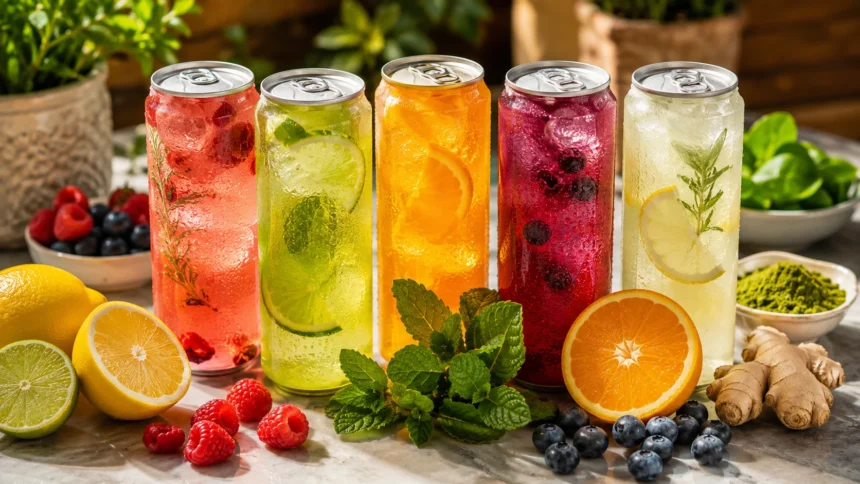
Healthy Energy Drinks That Actually Taste Good
Energy drinks have traditionally had a reputation for extreme sweetness, neon colors, and enough caffeine to make some people question whether the temporary boost is worth it. Fortunately, the category has changed considerably. Today, shoppers can find healthy energy drinks—or, more accurately, healthier energy-drink options—with lower sugar, moderate caffeine, simpler ingredient lists, and flavors that do not taste like liquid candy.
The challenge is knowing what “healthy” actually means. A can covered with words such as natural, clean, plant-based, or functional is not automatically a better choice. Caffeine amount, added sugar, serving size, artificial sweeteners, and how the drink fits into your overall diet are much more useful considerations than marketing claims printed on the front of the can.
Caffeine deserves particular attention. The U.S. Food and Drug Administration says that for most healthy adults, 400 milligrams of caffeine per day is an amount not generally associated with negative effects, although sensitivity varies substantially from person to person. That total includes caffeine from coffee, tea, chocolate, supplements, pre-workouts, and energy drinks—not just one beverage.
Taste matters too. The healthiest drink on the shelf provides little practical value if you dislike it enough to abandon it after two cans. The best options balance refreshing flavor with sensible caffeine and sugar levels. Below, we’ll look at what to search for, the different types worth trying, and how to find an energy drink that tastes good without automatically choosing the sweetest or strongest option available.
What Makes an Energy Drink a Healthier Choice?
A healthier energy drink starts with an appropriate amount of caffeine for your needs rather than the highest number available. Some people feel alert after a relatively small amount, while others regularly consume more. Choosing the lowest amount that gives you the effect you want can make more sense than treating caffeine concentration as a measure of product quality.
Added sugar is another major consideration. Traditional energy drinks can contribute a significant amount of added sugar, and the American Heart Association specifically includes energy drinks among common sources of added sugars. Reading the Nutrition Facts panel gives you a much clearer picture than relying on phrases such as “natural energy.”
Ingredient transparency also helps. Ideally, you should be able to identify the caffeine amount per entire container, understand which sweeteners are being used, and recognize whether caffeine comes from coffee, tea, guarana, yerba mate, synthetic caffeine, or a combination. Natural caffeine is still caffeine, so plant-based sourcing does not make a very high dose automatically gentle.
Finally, consider what the drink is replacing. A modestly caffeinated, low-sugar beverage may be a reasonable alternative to a much sweeter energy drink for some adults. But replacing water throughout the day with caffeinated drinks is a different situation. Think of an energy drink as an occasional functional beverage, not the foundation of daily hydration.
How Much Caffeine Should You Look For?
For many adults, an energy drink containing roughly 50 to 150 milligrams of caffeine can provide noticeable stimulation without automatically consuming a huge portion of the FDA’s 400-milligram daily benchmark. That does not mean everyone should consume 150 milligrams at once; personal sensitivity, body size, medications, health conditions, and other caffeine sources matter.
Products containing around 200 milligrams or more per can deserve more deliberate consideration. One drink can quickly represent half or more of the caffeine that many adults would want to stay under for the entire day. Add a morning coffee, afternoon tea, chocolate, or a pre-workout and the total can climb surprisingly quickly.
Timing matters too. A perfectly reasonable caffeine dose at 9 a.m. may be far less appealing late in the evening if it interferes with sleep. Caffeine can remain active for hours, so an energy drink used to push through afternoon fatigue can sometimes make the following night’s rest worse, potentially creating another reason to reach for caffeine tomorrow.
If you are particularly sensitive to caffeine, start lower rather than assuming you need a typical full-strength energy drink. Sparkling teas and lightly caffeinated beverages can provide a smaller boost while still delivering the cold, carbonated experience people often want from an energy drink.
Why Lower-Sugar Energy Drinks Can Be a Better Option
Added sugar can turn a beverage into a surprisingly significant source of daily sugar intake. The American Heart Association recommends limiting added sugar to about 36 grams per day for men and 25 grams per day for women, making the amount in a single drink worth checking.
A low-sugar energy drink may contain just a few grams of sugar or none at all. This can be attractive when you want caffeine and flavor without drinking a large amount of added sugar at the same time. Nutrition labels make comparison straightforward because added sugars are listed separately.
Zero-sugar drinks usually rely on alternative sweeteners. Some people enjoy these products, while others notice an aftertaste or prefer avoiding very sweet flavors altogether. Zero sugar is therefore not automatically synonymous with best tasting; the sweetener blend can strongly influence how enjoyable a drink feels.
Another option is choosing drinks that are intentionally less sweet rather than intensely sweetened without sugar. Sparkling caffeinated waters, teas, and lightly flavored botanical drinks can provide a refreshing experience without trying to recreate the sweetness of traditional energy drinks.
Best Low-Sugar Energy Drinks for Everyday Taste
If taste is your priority, look for low-sugar drinks that use familiar fruit profiles such as citrus, berry, peach, mango, or tropical combinations. Bright acidity can make a beverage taste flavorful even when it contains less sugar, which is why citrus-based energy drinks often work well in lower-sugar formulas.
Carbonation can also make reduced-sugar beverages more satisfying. Bubbles create texture and lift aromas, giving a simple flavor more presence. Someone accustomed to soda may therefore find a sparkling low-calorie energy drink easier to enjoy than a flat functional beverage with similar ingredients.
Tea-based beverages are another good middle ground. Green tea, black tea, and yerba mate naturally contribute bitterness and complexity, so manufacturers do not have to rely entirely on sweetness for flavor. A little fruit flavor can balance the tea without turning the drink into syrup.
When comparing products, look beyond total calories. Read caffeine, serving size, total sugar, added sugar, and ingredients together. A drink with slightly more calories but substantially less caffeine may fit your needs better than a near-zero-calorie can containing a stimulant dose you find excessive.
Healthy Energy Drinks Without Artificially Sweet Flavor
Some people dislike the aftertaste associated with intensely sweet zero-sugar drinks. If that describes you, search for lightly sweetened energy drinks rather than automatically selecting products marketed as sugar-free.
Tea-based beverages can work especially well because slight bitterness is expected. Lemon-green tea, peach-black tea, raspberry tea, and citrus yerba mate can taste refreshing without needing the dessert-like sweetness found in many conventional energy drinks.
Sparkling caffeinated water is another category worth exploring. These drinks typically focus on carbonation, natural flavors, and caffeine rather than syrupy sweetness. The result feels closer to flavored sparkling water with a functional boost than a traditional energy drink.
The tradeoff is that lighter flavors may initially seem underwhelming if you regularly drink soda or very sweet energy beverages. Give your palate time to adjust. Once you become accustomed to drinks with less sweetness, highly sweetened versions can begin to taste noticeably heavier.
Tea-Based Energy Drinks
Tea is one of the most familiar natural sources of caffeine. Green, black, oolong, and other caffeinated teas have distinct flavor profiles and can form the base of refreshing packaged energy drinks without requiring the extreme sweetness traditionally associated with the category.
Green-tea-based drinks often pair well with citrus, peach, berry, or tropical flavors. Their mild grassy bitterness provides enough complexity to keep the drink interesting, while fruit flavor softens the sharper edges. They can be particularly appealing to people who find traditional energy drinks too candy-like.
Black tea delivers a deeper flavor and can work well with lemon, peach, berry, or lightly spiced notes. If you already enjoy iced tea, a caffeinated sparkling tea may feel considerably more natural than switching to an aggressively flavored conventional energy drink.
Remember that tea-derived caffeine still counts toward your total caffeine intake. “Made with green tea” sounds gentler than “energy drink,” but the actual caffeine number on the label is what matters when judging stimulant intake.
Yerba Mate Energy Drinks
Yerba mate is a naturally caffeinated plant traditionally consumed as a brewed beverage in South America. Modern canned versions often combine mate with citrus, berry, mint, or tropical flavors, creating an option that sits somewhere between tea and a conventional energy drink.
Its flavor is naturally earthy and slightly bitter, which can be a strength if you dislike extremely sweet beverages. A well-balanced mate drink can taste refreshing and complex rather than syrupy, particularly when chilled and paired with bright fruit acidity.
Sugar varies dramatically between products, so do not assume every yerba mate drink is low in sugar. Some traditional-style canned versions are heavily sweetened, while others contain little or no added sugar. The Nutrition Facts panel remains your best tool for comparing them.
Yerba mate is also not caffeine-free merely because it is botanical. If a can contains 150 milligrams of caffeine, your body is still receiving 150 milligrams regardless of whether the source is mate leaves, coffee beans, tea, or added caffeine.
Matcha-Based Energy Drinks
Matcha provides another tea-based option for people looking beyond conventional energy drinks. Because matcha is powdered green tea, it naturally contains caffeine and has a distinct earthy flavor that works particularly well with citrus, mint, berry, vanilla, and lightly creamy combinations.
A bottled or canned matcha drink can be more approachable than preparing matcha yourself, but formulas vary widely. Some are lightly sweetened teas, while others are closer to sweet lattes and may contain significant added sugar.
If your goal is an everyday healthier caffeinated drink, choose versions that clearly display caffeine and added-sugar information. The green color and matcha branding can create a healthy impression, but nutritional quality depends on the complete formulation rather than one ingredient.
Taste can be polarizing. People who enjoy green tea often appreciate matcha’s grassy, slightly vegetal character, while newcomers may prefer versions softened with lemon, fruit, or a small amount of sweetness.
Sparkling Energy Waters
Sparkling energy water is one of the best categories for people who want something cold and caffeinated without the heaviness of a traditional energy drink. The basic formula often resembles flavored seltzer with added caffeine and sometimes vitamins or electrolytes.
Taste is intentionally lighter. Lemon, lime, grapefruit, berry, watermelon, and tropical flavors tend to work particularly well because they remain refreshing even without substantial sweetness.
These drinks can also make caffeine intake easier to separate from sugar intake. Instead of getting stimulation and a large sugar dose together, you can choose a beverage with little or no added sugar while still enjoying carbonation and flavor.
The potential downside is that some products contain surprisingly high caffeine despite tasting like harmless sparkling water. Always check the label rather than assuming a light flavor means a light stimulant dose.
Energy Drinks With Electrolytes
Some modern energy drinks combine caffeine with sodium, potassium, or other electrolytes. These products are often marketed toward workouts, outdoor activity, or people looking for a beverage that sits between an energy drink and a sports drink.
That combination can be useful in particular situations, but electrolytes do not automatically make an energy drink healthier. Most people performing ordinary daily activities can obtain electrolytes from food and normal hydration without needing a specialty beverage.
Flavor-wise, electrolyte formulas often work well with citrus and tropical profiles because a little salt can sharpen fruit flavors. Lime, lemon, orange, watermelon, and pineapple are therefore common and can taste refreshing when served very cold.
Pay attention to both caffeine and sodium when evaluating these products. Someone drinking one during a long, sweaty activity has different needs from someone sitting at a desk and drinking several cans throughout the afternoon.
Natural Energy Drinks: What Does “Natural” Really Mean?
“Natural energy” is primarily a marketing description unless you look at the actual ingredients behind it. Caffeine may come from green tea, coffee fruit, guarana, yerba mate, tea leaves, or other botanical sources rather than being added as isolated caffeine.
Those sources can influence flavor and sometimes introduce other plant compounds, but they do not make caffeine unlimited or risk-free. Your total stimulant intake still matters, regardless of how attractive the botanical ingredient list looks.
A useful natural energy drink is therefore one with transparent caffeine labeling, reasonable sweetness, a flavor you enjoy, and ingredients that fit your personal preferences. Whether the caffeine molecule originated in coffee beans or tea does not replace those basic considerations.
Be especially careful with products containing several caffeine sources. A label might mention green tea extract, guarana, coffee extract, and yerba mate together. Look for the stated total caffeine per serving rather than trying to estimate the contribution of each ingredient yourself.
Energy Drinks With B Vitamins
Many energy drinks contain B vitamins, often including B6, B12, niacin, or riboflavin. Because B vitamins participate in normal energy metabolism, manufacturers frequently highlight them prominently on cans.
However, vitamins should not be confused with stimulant energy. Caffeine is primarily responsible for the noticeable alertness people associate with most caffeinated energy drinks, while consuming extra B vitamins does not function like adding extra fuel when your diet already supplies adequate amounts.
There is nothing inherently wrong with choosing a drink containing vitamins, but avoid treating a long vitamin list as proof that one product is substantially healthier than another. Caffeine, sugar, total diet, sleep, and hydration usually deserve more attention when making the choice.
Flavor still matters too. If two drinks have similar caffeine and sugar profiles, choose whichever ingredient list and taste you prefer rather than paying substantially more just because one advertises an unusually dramatic number of vitamins on the front.
Best Flavors if You Hate Traditional Energy Drink Taste
Citrus is a strong starting point because acidity makes drinks taste crisp rather than syrupy. Lemon, lime, grapefruit, tangerine, and orange flavors pair particularly well with carbonation and the natural bitterness of caffeine or tea.
Berry flavors are another accessible option. Raspberry, blackberry, blueberry, and mixed berry can provide recognizable sweetness without tasting like candy when balanced with enough acidity.
Peach and mango work well for people who want something smoother. These flavors can soften tea bitterness and create a rounder taste while still feeling refreshing over ice or straight from a cold can.
If you dislike fruit-forward drinks entirely, look for sparkling tea, mint, ginger, coffee-based energy beverages, or lightly flavored caffeinated water. The energy-drink category is broad enough now that you no longer need to accept the stereotypical sweet-and-sour “energy drink” flavor.
What About Zero-Sugar Energy Drinks?
Zero-sugar energy drinks can be useful for people who want caffeine and flavor without added sugar. They are widely available and can dramatically reduce the sugar difference between an energy drink and unsweetened coffee or tea.
The biggest issue for many consumers is taste. Different sweeteners produce different levels of sweetness and aftertaste, and personal preferences vary considerably. A drink one person describes as clean and fruity may taste overly artificial to someone else.
Zero sugar also does not mean unlimited consumption. A can can contain no sugar while still delivering a high caffeine dose. When comparing drinks, caffeine per container remains one of the most important numbers to check.
Some people may prefer a lightly sweetened drink containing a few grams of sugar over an intensely sweet zero-sugar beverage. There is no requirement that the lowest-calorie option must always be the most enjoyable choice; the broader dietary context matters.
Are Sugar-Free Energy Drinks Actually Healthy?
Calling any energy drink simply “healthy” can oversimplify the decision. Sugar-free drinks eliminate or greatly reduce one concern—added sugar—but they do not automatically address caffeine amount, individual sensitivity, sleep, or consumption frequency.
For most people, the useful question is whether a particular drink is a better fit than the alternative. Replacing a high-sugar, high-caffeine beverage with a moderate-caffeine, zero-sugar version can meaningfully change what you are consuming, even if the new drink is not nutritionally essential.
Some consumers are concerned about non-sugar sweeteners, while others use them comfortably. If you dislike them, you can choose unsweetened sparkling caffeine drinks or lightly sweetened products rather than feeling forced into either a high-sugar or artificially sweetened extreme.
Ultimately, look at your whole day. If you already drink coffee, eat chocolate, consume pre-workout supplements, and occasionally have soda, another caffeinated beverage contributes to the same total even when its sugar content is zero.
Best Energy Drinks for a Morning Boost
Morning energy drinks should ideally provide enough caffeine to increase alertness without consuming an unnecessarily large dose before the day has really started. Lightly caffeinated tea, sparkling energy water, or moderate-strength canned beverages can all work.
Consider whether you have already consumed coffee. Drinking an energy drink immediately after a large coffee can quickly increase total caffeine intake without necessarily producing proportionally greater benefits.
Pairing caffeine with breakfast can also feel more comfortable for some people than drinking a strong beverage on an empty stomach. Food provides actual calories and nutrients, while the energy drink primarily provides stimulation rather than nutritional energy.
If mornings are consistently difficult despite adequate opportunity for sleep, caffeine may be covering the problem rather than solving it. An energy drink can help with occasional tiredness, but it is not a substitute for consistently restorative sleep.
Best Energy Drinks for the Afternoon Slump
The afternoon is when many people automatically reach for another caffeinated drink, especially after several hours of work. A smaller caffeine dose may be enough at this point rather than another full-strength can.
Tea-based drinks are particularly suitable because they are available in lower caffeine ranges and often taste lighter than conventional energy drinks. Sparkling green tea, yerba mate, or caffeinated water can provide variety without feeling like another heavy beverage.
Timing becomes especially important as evening approaches. Caffeine consumed too late can interfere with sleep for some people, making tomorrow’s afternoon slump even worse. Pay attention to your personal response rather than following a universal cutoff time.
Sometimes the better answer is water, food, movement, or a brief change of environment. If you have not eaten for several hours or have been sitting continuously, caffeine may not address the actual reason your energy feels low.
Healthy Energy Drinks for Work
For desk work, moderate caffeine often makes more sense than extreme stimulant levels. You want enough alertness to concentrate without feeling jittery while sitting through meetings, writing, coding, or handling detailed tasks.
Choose drinks you can sip slowly rather than feeling compelled to finish immediately. A lightly flavored sparkling tea or moderate-caffeine beverage can make it easier to control intake across the morning or afternoon.
Low-sugar options are especially practical when energy drinks are part of a regular work routine. The American Heart Association encourages reducing sugary beverages, including full-calorie energy drinks, as one strategy for lowering added sugar intake.
Keep ordinary water nearby as well. The presence of a caffeinated drink on your desk should not prevent normal hydration, particularly during long stretches in air-conditioned offices or warm environments.
Energy Drinks Before a Workout
Caffeine is commonly consumed before exercise because many people find that it improves alertness and helps them feel ready to train. However, an ordinary energy drink is not automatically the same thing as a professionally formulated sports nutrition product.
Check the caffeine amount carefully, especially if you also use pre-workout supplements. Combining a high-caffeine drink with a caffeinated pre-workout can push total intake much higher than expected.
Sugar needs also depend on the activity. Someone performing a long endurance session may have different carbohydrate requirements from someone doing a short recreational workout. A heavily sugared beverage is not automatically necessary simply because exercise is involved.
Hydration remains important. During ordinary workouts, water may be all you need for hydration, with caffeine obtained separately if desired. For long-duration or high-heat activity, individual fluid and electrolyte needs become more relevant.
Energy Drinks You Should Be More Cautious About
The first category to approach carefully is very high-caffeine drinks. A large can containing several hundred milligrams can leave little room for coffee, tea, chocolate, or additional caffeinated products within the same day.
High-sugar energy drinks also deserve attention when consumed regularly. The American Heart Association identifies energy drinks as a common source of added sugar and recommends keeping total added sugar intake limited.
Products that make caffeine amounts difficult to understand are another reason for caution. Ideally, you should know the total caffeine contained in the entire bottle or can rather than trying to interpret multiple servings and proprietary ingredient blends.
Finally, be skeptical of aggressive promises involving fat burning, detoxification, immunity, extreme mental performance, or other sweeping benefits. An energy drink should be evaluated as a beverage containing caffeine and other ingredients—not as a shortcut to overall health.
Can Teenagers Drink Healthy Energy Drinks?
“Healthy energy drink” is not a useful category for children and adolescents simply because a product contains less sugar or uses plant-derived caffeine. The American Academy of Pediatrics has stated that energy drinks are not appropriate for children and adolescents because of their stimulant content.
Teen-focused marketing can make these products look similar to sports drinks, flavored water, or soda, but the caffeine content can be very different. Parents should check labels carefully rather than relying on packaging style or fruit flavors to judge whether a beverage is suitable.
Sports drinks and energy drinks are also not interchangeable. A sports beverage is generally designed around fluid, carbohydrate, and electrolyte replacement, while an energy drink typically contains caffeine or other stimulants.
For children and teens, routine hydration should center on appropriate non-energy beverages rather than seeking a “cleaner” caffeinated energy drink. Questions about caffeine for an individual young person are best discussed with their pediatric healthcare professional.
Who Else Should Be Careful With Energy Drinks?
Pregnant or breastfeeding people, individuals with certain heart conditions, people sensitive to caffeine, and anyone taking medications that may interact with stimulants may need different caffeine limits than the general adult population.
People who experience anxiety, palpitations, tremors, digestive discomfort, or headaches after caffeine should pay attention to those signals. A drink can meet general population guidelines while still being a poor personal choice.
Sleep problems are another major reason to reconsider intake. If you regularly need caffeine late in the day and then struggle to fall asleep, reducing the dose or moving it earlier may be more useful than switching brands.
When a health condition or medication is involved, ask a qualified healthcare professional about caffeine rather than assuming a “natural” energy drink is automatically compatible.
How to Read an Energy Drink Label
Start with caffeine per container. Do not stop at caffeine per serving until you know how many servings are actually inside the can. A bottle containing two servings can effectively double the number you first notice.
Next, check added sugar. Compare grams rather than relying on terms such as lightly sweetened, clean energy, or naturally flavored. The Nutrition Facts panel tells you far more than branding language.
Then look through the ingredients. Note sweeteners, caffeine sources, herbal extracts, vitamins, electrolytes, and any ingredients you personally prefer or avoid. A shorter list is not automatically healthier, but understanding what you are drinking is useful.
Finally, compare products under realistic conditions. If one can is 12 ounces and another is 16, compare what you actually expect to drink—not artificially equal serving sizes that do not reflect your habits.
How to Make a Healthier Energy Drink at Home
One of the easiest homemade options is chilled green or black tea with lemon and sparkling water. Brew the tea, cool it completely, add citrus, and pour it over ice. You control both sweetness and concentration.
For a fruitier version, combine unsweetened iced tea with a small splash of 100% fruit juice and sparkling water. The juice contributes sweetness and flavor without requiring the drink to taste like syrup.
Matcha can also become a refreshing homemade energy drink. Whisk a modest amount with water, chill it, and add lemon, mint, or sparkling water. If you prefer sweetness, add a small amount rather than automatically matching commercial drink levels.
Coffee lovers can simply prepare cold brew or iced coffee and dilute it to their preferred strength. Homemade beverages may not have flashy cans or elaborate functional ingredient blends, but they make caffeine and sweetness considerably easier to control.
Are Healthy Energy Drinks Better Than Coffee?
Not necessarily. Plain coffee is naturally very low in calories and contains caffeine without requiring added sugar, making it a straightforward option for many adults.
Energy drinks offer advantages in portability, carbonation, flavor variety, and clearly standardized caffeine levels in products that label caffeine accurately. Someone who dislikes coffee may simply find them more enjoyable.
The healthfulness of either beverage depends heavily on what is added. A plain coffee and a dessert-like coffee drink are nutritionally very different, just as a lightly flavored energy water and a high-sugar energy drink are different.
Choose based on caffeine level, added sugar, ingredients, taste, cost, and how the beverage fits into your routine rather than assuming one entire category is universally healthier.
Energy Drinks vs. Sports Drinks
Energy drinks and sports drinks solve different problems. Energy drinks typically focus on caffeine and alertness, while sports drinks are generally designed to provide fluid, carbohydrates, and electrolytes during particular types of physical activity.
A person feeling sleepy at a desk does not necessarily benefit from drinking a sugary sports drink, just as someone needing hydration during prolonged exercise may not benefit from simply consuming a highly caffeinated energy drink.
Packaging can make the categories look similar, so always read the label. Words such as performance, hydration, endurance, and energy can appear across many types of products without telling you exactly what is inside.
Think about your actual goal before choosing. If you need alertness, evaluate caffeine. If you need hydration, start with fluids. If you need carbohydrates during prolonged exercise, that is a separate nutritional question.
How to Find an Energy Drink That Actually Tastes Good
Begin with flavors you already enjoy outside energy drinks. If you regularly choose lemon sparkling water, citrus is a logical starting point. If peach iced tea is your favorite, look for a tea-based peach energy beverage rather than randomly choosing a tropical candy flavor.
Next, decide how sweet you want it. People who love soda may prefer full-flavored zero-sugar drinks, while sparkling-water drinkers may prefer minimally sweet caffeinated beverages.
Buy single cans before committing to large multipacks. Taste is highly personal, and online reviews cannot tell you whether a particular sweetener or flavoring will appeal to your palate.
Finally, drink it properly chilled. Many low-sugar and sparkling energy beverages taste significantly crisper when cold, while warmer temperatures can make bitterness and sweetener aftertastes more noticeable.
What to Look for in the Best Healthy Energy Drink
For most adults searching for a more sensible option, look first for moderate caffeine, transparent labeling, and low or moderate added sugar. Those three factors provide a useful foundation for narrowing down a crowded category.
After that, choose your preferred caffeine source and flavor. Tea, yerba mate, coffee-derived caffeine, and conventional added caffeine can all work; the total amount matters more than whether the front of the can uses botanical imagery.
Avoid being distracted by dozens of functional claims. Vitamins, amino acids, electrolytes, adaptogen-style ingredients, and plant extracts can make labels sound impressive, but they should not distract you from the basic nutritional and stimulant profile.
And do not forget taste. A refreshing lime sparkling tea you happily drink occasionally may be a more sustainable choice for you than a supposedly perfect wellness beverage that tastes unpleasant.
Final Thoughts
The phrase healthy energy drinks should be approached realistically. Energy drinks are not essential health foods, but adults who choose to consume caffeine can find options that are lower in added sugar, moderate in caffeine, transparent about ingredients, and considerably more enjoyable than the syrupy products many people associate with the category.
Tea-based energy drinks, yerba mate, matcha beverages, sparkling energy waters, and lower-sugar canned drinks are all worth exploring. The right category depends on whether you prefer fruity, citrusy, earthy, lightly sweet, or traditionally sweet flavors.
Use the label rather than the marketing as your guide. Check caffeine per container, added sugar, serving size, and ingredients, and remember that all caffeine sources contribute to your daily total. For most healthy adults, the FDA cites 400 milligrams per day as an amount not generally associated with negative effects, while individual sensitivity varies.
Ultimately, the best healthy energy drink that actually tastes good is one that gives you an appropriate caffeine level, fits your dietary preferences, and tastes good enough to enjoy without encouraging excessive consumption. Sometimes that will be a canned energy drink; other times, iced tea, matcha, sparkling water with caffeine, or simple coffee may be the better answer.
Frequently Asked Questions
What is the healthiest type of energy drink?
There is no universally healthiest energy drink. For many adults, a sensible option is one with transparent caffeine labeling, moderate caffeine, little added sugar, and ingredients that fit their individual needs.
Are zero-sugar energy drinks healthier?
They eliminate the added sugar found in many traditional energy drinks, which can be useful for people limiting sugar. However, caffeine amount and overall consumption still matter even when a drink contains zero sugar.
How much caffeine is safe in an energy drink?
The FDA cites 400 mg of caffeine per day as an amount not generally associated with negative effects for most healthy adults, but individual sensitivity varies. Your total should include caffeine from all sources.
What energy drinks taste less artificial?
Sparkling caffeinated waters, green-tea drinks, lightly sweetened iced teas, matcha beverages, and yerba mate drinks often have less of the intensely sweet flavor associated with conventional energy drinks.
Can kids or teenagers drink energy drinks?
The American Academy of Pediatrics advises that energy drinks are not appropriate for children and adolescents because of their stimulant content. Parents should distinguish energy drinks from ordinary hydration beverages.
Meta Description: Discover healthy energy drinks that actually taste good, plus what to look for in caffeine, sugar, ingredients and refreshing flavors.