
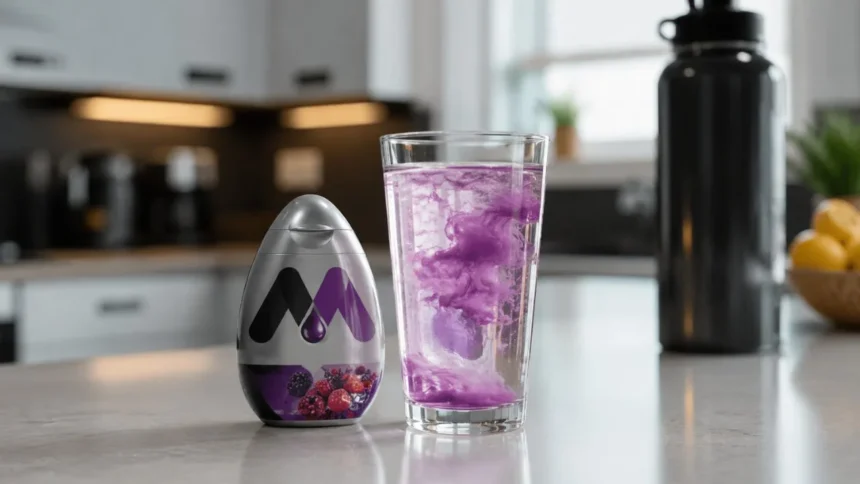
Is MiO Bad for You? Ingredients, Side Effects, and Healthier Use
MiO is a concentrated liquid water enhancer designed to add flavour to plain water. Many varieties contain no sugar, carbohydrates or calories, which makes them popular with people trying to drink more water or replace sugary soft drinks. A small squeeze can transform a bottle of water into a sweet, strongly flavoured beverage.
But is MiO bad for you? For most healthy adults, using a moderate amount according to the label is unlikely to be harmful. The answer becomes less straightforward when you drink several servings daily, use a caffeinated variety, have a sensitive digestive system or continuously sip acidic flavoured water.
MiO products are not all nutritionally identical. Regular varieties mainly provide flavour, while MiO Energy contains caffeine and B vitamins. MiO Hydrate contains sodium, potassium and vitamins, and newer wellness-focused varieties may include ingredients such as magnesium. The label on your specific bottle matters more than general claims about the brand.
MiO may be a practical alternative when the other option is a sugar-sweetened drink. However, it is not nutritionally equal to plain water, and it does not automatically improve hydration, energy or health. Understanding the ingredients, serving sizes and possible drawbacks can help you decide how often to use it.
The Quick Answer: Is MiO Bad for You?
MiO is not inherently bad for most healthy adults when it is diluted correctly and consumed in moderation. Its main advantage is that it can make water more appealing without adding sugar or meaningful calories. This may help some people replace soft drinks, sweet tea or high-calorie energy beverages.
The main concerns are its artificial sweeteners, acidity, food colours and preservatives. These ingredients are approved for use in foods, but some people prefer to limit them or notice symptoms after consuming particular products. Frequent acidic drinks may also affect tooth enamel, even when they contain no sugar.
MiO Energy requires additional caution because it contains a meaningful amount of caffeine. Several heavily flavoured bottles of water can quickly add up to the caffeine found in multiple cups of coffee. Poor sleep, anxiety, headaches, trembling and a rapid heartbeat are possible when total caffeine intake becomes too high.
Your overall pattern matters more than an occasional serving. Adding a little regular MiO to water is different from drinking concentrated MiO Energy throughout the day. Check the product line, measure the recommended serving and continue drinking some plain water rather than flavouring every drink.
What Is MiO Water Enhancer?
MiO is a highly concentrated liquid that is squeezed into water before drinking. It is sold in small portable bottles and comes in flavours such as fruit punch, lemonade, berry and black cherry. The amount used can be adjusted according to how strong or sweet you want the drink to taste.
Regular MiO is primarily designed to provide flavour without sugar or calories. It normally contains water, food acids, flavourings, high-intensity sweeteners, stabilising ingredients, preservatives and sometimes artificial colours. Exact ingredients vary between flavours, sizes, countries and product updates.
MiO Energy combines flavouring with caffeine, B vitamins and additional ingredients such as taurine, guarana or ginseng in some varieties. It should be considered a caffeinated beverage rather than ordinary flavoured water. Using an unmeasured squeeze can make caffeine intake difficult to track accurately.
MiO Hydrate includes electrolytes such as sodium and potassium alongside flavourings and vitamins. It may be useful in particular situations, but it should not automatically replace a properly formulated oral rehydration solution or medical treatment. The appropriate product depends on why you are drinking it.
What Ingredients Are Commonly Found in MiO?
Common MiO ingredients include water, natural flavour, citric acid or malic acid, sucralose and acesulfame potassium. Acids provide a tart taste and help create a recognisable fruit flavour. Sweeteners make the drink taste sweet without adding the amount of sugar found in regular soft drinks.
Many varieties contain potassium sorbate, which helps prevent spoilage and extend shelf life. Gum arabic and similar ingredients may be used to stabilise flavours or improve consistency. These ingredients perform practical manufacturing functions and are present in relatively small quantities.
Some MiO flavours use colour additives such as Red 40 or Blue 1. Food colouring improves appearance but does not make the product more nutritious. Certain newer products may be promoted as containing no artificial dyes, so consumers who want to avoid colours should compare individual labels.
Caffeinated varieties may include caffeine, B vitamins, taurine, guarana extract and ginseng extract. Electrolyte varieties can include sodium and potassium compounds. Because the formulas are different, a person may tolerate regular MiO but experience side effects from MiO Energy or another specialised product.
Are the Artificial Sweeteners in MiO Safe?
Regular MiO commonly uses sucralose and acesulfame potassium, also called Ace-K. These high-intensity sweeteners provide a strong sweet taste in very small quantities. They have been reviewed by food-safety authorities and are permitted for use within established acceptable daily intake levels.
An acceptable daily intake is designed to represent an amount that can be consumed every day over a lifetime without an appreciable health risk. It is not a recommended target and does not mean that people should deliberately consume as much as possible. Most ordinary servings remain far below these limits.
Research into artificial sweeteners and long-term health continues. Observational studies sometimes associate heavy consumption with certain health outcomes, but these studies cannot always show whether sweeteners caused the problem. People who already have health or weight concerns may simply consume more diet products.
The balanced approach is not to treat approved sweeteners as poison or as a health food. Using MiO occasionally to replace a sugary drink can be practical, but relying on intensely sweet products all day may maintain a preference for very sweet flavours. Plain or naturally infused water should still have a place in your routine.
Does MiO Cause Cancer?
There is no good evidence that normal consumption of approved MiO sweeteners causes cancer in humans. Food-safety authorities evaluate additives before permitting their use and establish intake limits with substantial safety margins. Online claims often rely on high-dose animal experiments that do not reflect ordinary human consumption.
The presence of an artificial ingredient does not automatically make a product carcinogenic. Natural substances can be harmful at high doses, while synthetic ingredients can be safe within tested limits. Risk depends on the substance, amount, frequency, exposure route and quality of evidence.
That does not mean every uncertainty has been eliminated. Nutrition research continues to examine how long-term dietary patterns, sweetener combinations and individual biology affect health. Consumers who prefer to minimise artificial sweeteners can choose unsweetened water, herbal infusions or fruit-flavoured water instead.
Reducing cancer risk depends more strongly on broad habits such as avoiding tobacco, limiting alcohol, maintaining physical activity, protecting skin from ultraviolet radiation and eating a balanced diet. Focusing excessively on an occasional squeeze of MiO can distract from these better-established health priorities.
Is MiO Energy Bad for You?
MiO Energy is not the same as standard MiO because it contains caffeine. A current recommended serving provides approximately 90 milligrams of caffeine when mixed into 12 fluid ounces of water. That amount is similar to the caffeine in a typical cup of coffee, although coffee strength varies.
One serving may be tolerated well by many healthy adults, but multiple servings can add up quickly. Four servings provide about 360 milligrams of caffeine before counting coffee, tea, cola, chocolate, pre-workout products or medication. This approaches the commonly cited daily level of 400 milligrams for most adults.
Excess caffeine may cause anxiety, shakiness, nausea, headaches, digestive discomfort, frequent urination, heart palpitations or difficulty sleeping. People vary greatly in caffeine sensitivity. Someone who rarely consumes caffeine may experience symptoms from an amount that another person tolerates comfortably.
Avoid drinking MiO Energy directly from the bottle or adding repeated unmeasured squeezes. Use the recommended amount and include every caffeine source when estimating your daily intake. People with heart-rhythm concerns, severe anxiety or medication interactions should ask a healthcare professional whether caffeinated products are appropriate.
Can MiO Help You Drink More Water?
Flavour can make water more enjoyable for people who dislike its plain taste. If adding MiO encourages you to replace sugary beverages or drink enough fluid during the day, it may provide a practical benefit. Water mixed with MiO still contributes to your total fluid intake.
MiO does not make water inherently more hydrating than plain water. Standard varieties mainly change flavour, while specialised Hydrate products add small amounts of electrolytes. Most people completing ordinary daily activities can maintain hydration through water and balanced meals without needing an electrolyte enhancer.
Caffeinated MiO also contributes fluid and does not automatically dehydrate a regular caffeine consumer. However, a high caffeine intake may cause unpleasant symptoms, affect sleep or increase urination in sensitive individuals. These effects can make an energy product less suitable as an all-day hydration drink.
Try using the smallest amount that makes the water enjoyable rather than creating an extremely strong drink. You can also alternate flavoured and plain water. This approach reduces exposure to acids and sweeteners while preventing your taste preferences from becoming dependent on intense sweetness.
Is MiO Hydrate a Good Electrolyte Drink?
MiO Hydrate contains added sodium and potassium, the minerals commonly described as electrolytes. A current serving of some flavours provides approximately 115 milligrams of sodium and 60 milligrams of potassium. This may contribute to electrolyte intake without adding sugar or calories.
For a short workout, ordinary walk or normal day, most people do not need a special electrolyte beverage. Water and regular meals usually replace the fluid and minerals used during routine activity. MiO Hydrate may simply provide flavour in these situations rather than a necessary nutritional benefit.
Electrolytes become more relevant during prolonged intense exercise, heavy sweating, hot weather or certain illnesses. However, the correct balance of fluid, sodium and carbohydrates depends on the situation. A low-calorie enhancer may not provide enough sodium or energy for endurance exercise lasting several hours.
Vomiting or diarrhoea can cause significant fluid and electrolyte losses, but MiO Hydrate is not the same as an oral rehydration solution. Medical rehydration products contain carefully balanced glucose and electrolytes to support absorption. Seek professional advice for severe dehydration, persistent vomiting or illness affecting a child.
Can MiO Damage Your Teeth?
MiO does not contain sugar in many varieties, so it does not feed cavity-causing bacteria in the same way as a sugary soft drink. However, being sugar-free does not make a beverage harmless to teeth. MiO commonly contains citric acid, malic acid or both.
Repeated exposure to acidic drinks can gradually soften and erode dental enamel. The risk is greater when you sip flavoured water continuously for many hours, swish it around your mouth or mix the product more strongly than directed. Enamel erosion is permanent and may lead to sensitivity or discolouration.
Drink MiO within a reasonable period rather than carrying one strongly flavoured bottle and sipping it all day. Using a straw may reduce contact with the front teeth, although it does not eliminate exposure. Rinse your mouth with plain water after finishing an acidic drink.
Avoid brushing your teeth immediately after consuming an acidic beverage because softened enamel may be more vulnerable to abrasion. Wait before brushing and use fluoride toothpaste as part of regular dental care. A dentist can assess sensitivity, thinning enamel or other signs of dental erosion.
Can MiO Cause Stomach Problems?
Some people report bloating, gas, nausea or loose stools after consuming products containing artificial sweeteners. Sucralose and acesulfame potassium are not sugar alcohols, so they are generally less likely to produce the strong laxative effect associated with ingredients such as sorbitol or maltitol.
Individual tolerance still varies. Acids, caffeine, flavourings and concentrated sweetness may irritate a sensitive stomach or worsen symptoms in someone with irritable bowel syndrome. Drinking a strongly mixed product on an empty stomach could feel different from consuming a small amount with food.
Caffeine can increase bowel activity and may contribute to diarrhoea, cramping or acid reflux in sensitive individuals. If symptoms happen only after MiO Energy, caffeine may be more relevant than the artificial sweeteners. Compare how you respond to caffeinated and non-caffeinated varieties.
Stop using the product temporarily when symptoms repeatedly appear after drinking it. Reintroducing a small amount can help reveal whether the pattern returns, but do not repeatedly provoke severe symptoms. Persistent abdominal pain, blood in the stool, unexplained weight loss or ongoing diarrhoea needs medical assessment.
Can MiO Cause Headaches?
MiO is not a proven universal cause of headaches, but particular ingredients may trigger symptoms in susceptible people. Someone may react to caffeine, intense sweetness, food colouring or another component. Dehydration, missed meals, stress and poor sleep are also common headache triggers.
MiO Energy can cause headaches when too much caffeine is consumed. Regular use may also create dependence, so suddenly stopping it can lead to caffeine-withdrawal headaches. Keeping intake consistent and reducing gradually can help when you regularly consume several caffeinated drinks.
Some people blame artificial sweeteners for headaches, but individual reports do not establish that the sweetener caused every episode. A symptom diary can help identify whether headaches consistently occur after a particular flavour, amount or product line. Patterns are more informative than one isolated experience.
Seek medical care for a sudden, extremely severe headache or a headache with weakness, confusion, fainting, fever, neck stiffness or vision loss. Frequent headaches that interfere with work, sleep or normal activities also deserve professional evaluation rather than repeated dietary experimentation.
Does MiO Affect Blood Sugar?
Most standard MiO varieties contain no sugar and very little or no carbohydrate per serving. They are therefore unlikely to raise blood glucose in the same way as regular soda, juice or sweet tea. This can make them useful for people replacing sugar-sweetened drinks.
Artificial sweeteners still create a sweet taste, and researchers continue to study how they may affect appetite, gut bacteria and glucose responses in different people. Current evidence does not show that a normally diluted serving has the same immediate blood-sugar effect as a sugary beverage.
People with diabetes should check the label because formulas and serving sizes can change. MiO should not be used to treat low blood sugar, since a zero-sugar product will not provide the fast carbohydrate needed for hypoglycaemia. Follow the treatment plan provided by your healthcare team.
Replacing a sugary drink with MiO may reduce total sugar and calorie intake, but the rest of the diet remains important. Balanced meals, fibre, physical activity, medication adherence and glucose monitoring have a greater influence on diabetes management than choosing one particular water flavouring.
Is MiO Good for Weight Loss?
MiO contains few or no calories, so replacing a high-calorie beverage with MiO-flavoured water can reduce daily energy intake. Someone who replaces two sugary drinks may save a meaningful number of calories without reducing the volume of fluid they consume.
The product does not directly burn fat, increase metabolism or guarantee weight loss. Results depend on total food intake, activity, sleep, medication, health conditions and long-term consistency. Adding MiO while continuing the same high-calorie eating pattern may make little difference.
Non-sugar sweeteners can help some people reduce sugar during a transition, but they are not considered a reliable stand-alone strategy for permanent weight control. Constant exposure to intensely sweet flavours may also make naturally less-sweet foods and drinks feel less appealing.
A sustainable approach gradually reduces dependence on both sugar and extreme sweetness. You might begin with the labelled serving, then slowly use less product as your taste adjusts. Plain water, sparkling water, unsweetened tea and water infused with cucumber or fruit can add variety.
Is MiO Safe During Pregnancy?
Non-caffeinated MiO used occasionally is unlikely to be a major concern for most pregnant people, but personal medical circumstances vary. Ingredient lists can change, and products may contain colours, preservatives or added vitamins. Discuss frequent use with your prenatal healthcare professional when you have concerns.
MiO Energy requires careful caffeine tracking. Pregnancy guidance commonly advises keeping total caffeine below 200 milligrams per day. Two servings of a 90-milligram MiO Energy product would provide 180 milligrams before adding coffee, tea, chocolate, cola or medication.
Caffeine remains in the body longer during pregnancy and may worsen heartburn, nausea, palpitations or sleep difficulties. Measuring each serving is important because an uncontrolled squeeze can make the actual amount uncertain. A non-caffeinated option is easier to manage when flavouring water regularly.
Pregnancy can increase fluid needs, but MiO should not replace nutritious beverages and foods. Water, milk and appropriate meals provide benefits that a zero-calorie flavour enhancer cannot. Persistent vomiting, inability to keep fluids down or signs of dehydration require medical care.
Is MiO Safe for Children and Teenagers?
Plain water and milk are generally better everyday beverage choices for children. Non-caffeinated MiO may occasionally help an older child who otherwise refuses water, but it encourages a preference for intensely sweet flavours and does not add meaningful nutrition.
MiO Energy is not a suitable routine drink for young children. Caffeine can contribute to poor sleep, irritability, anxiety, headaches, rapid heartbeat and difficulty concentrating. A child’s smaller body size also means the same serving creates a greater caffeine dose relative to body weight.
Teenagers may see caffeinated water enhancers as harmless because they are mixed with water and contain no sugar. However, repeated squeezes can create an energy drink with substantial caffeine. Coffee, cola, chocolate, pre-workout supplements and medication can add even more.
Parents should check the exact bottle rather than assuming every MiO product is caffeine-free. Keep concentrated products out of reach of young children and explain that the liquid should never be swallowed directly. A paediatrician can provide personalised advice for children with medical conditions or medication use.
Is MiO Bad for Your Kidneys?
Regular MiO is not known to damage healthy kidneys when used in normal amounts. Most standard varieties provide little sodium, potassium or other minerals per serving. Drinking more water because it tastes better may support adequate fluid intake for someone who otherwise drinks too little.
MiO Hydrate contains more sodium and potassium than regular MiO. These amounts may be modest for a healthy adult but could matter to someone following a kidney-specific diet. People with reduced kidney function may need to control potassium, sodium and total fluid intake carefully.
Caffeinated products may also be inappropriate for certain people with kidney disease, uncontrolled blood pressure or heart conditions. The issue is not necessarily direct kidney toxicity; it is how the ingredients fit into the person’s overall fluid, mineral and medication plan.
Do not use MiO to treat kidney stones, urinary symptoms or dehydration caused by illness. People with chronic kidney disease, dialysis requirements or electrolyte restrictions should show the exact product label to their renal clinician or dietitian before using it regularly.
Can You Drink MiO Every Day?
A small amount of non-caffeinated MiO can fit into many adults’ daily routines, especially when it helps replace sugary drinks. Daily use becomes less appealing when every glass of water is heavily flavoured or the product causes digestive symptoms, headaches or dental sensitivity.
Pay attention to the serving size rather than squeezing until the water tastes extremely strong. Concentrated use increases your exposure to sweeteners, acids, colours and caffeine without providing additional hydration. MiO is designed to be diluted, not consumed directly from the bottle.
Alternate MiO drinks with plain water and avoid continuously sipping acidic flavoured water between meals. Check whether you are using regular MiO, Hydrate, Energy or a wellness variety because their ingredients and intended purposes differ. Energy versions should be counted as caffeine sources.
Your body’s response is also important. Reduce or stop use if you notice insomnia, palpitations, recurring stomach discomfort, headaches, mouth irritation or tooth sensitivity. A product that is generally safe does not have to be a good personal choice for everyone.
How Much MiO Is Too Much?
There is no single maximum number of MiO servings that applies to every person and every product. Regular MiO contains different concerns from MiO Energy, while Hydrate provides additional sodium and potassium. The recommended serving on the current bottle is the most practical starting point.
With non-caffeinated MiO, excessive use is more likely to create problems through acidity, very strong sweetness or individual ingredient sensitivity than through calories. Drinking several intensely mixed bottles across the day can expose the teeth to acid for long periods.
With MiO Energy, total caffeine provides a clearer limit. Most healthy adults are commonly advised to stay at or below approximately 400 milligrams of caffeine per day. Four current 90-milligram servings provide 360 milligrams before any other caffeine source is included.
People who are pregnant, young, caffeine-sensitive or affected by certain heart, anxiety or sleep conditions need lower limits or may need to avoid caffeinated products. Stop increasing the amount when one serving no longer feels effective, as this can indicate caffeine tolerance rather than a need for more.
Is MiO Healthier Than Soda?
Regular MiO mixed with water is usually lower in sugar and calories than standard soda. Replacing a sugary soft drink with MiO may reduce added-sugar intake, lower calorie consumption and decrease the constant sugar exposure that contributes to tooth decay.
However, MiO water can still be acidic and may affect enamel when sipped frequently. Diet soda shares this concern because removing sugar does not remove food acids. Plain water remains more favourable for dental health than either acidic flavoured water or soda.
MiO Energy may contain less caffeine than some large energy drinks but can become highly caffeinated when multiple servings are added. The ability to control the squeeze is both an advantage and a risk. A pre-measured can provides clearer caffeine information than an estimated amount of concentrate.
MiO can therefore be a better substitution without being a perfect drink. The comparison should be practical: switching from several sugary sodas to properly diluted, non-caffeinated MiO is likely an improvement, while replacing plain water with heavily concentrated MiO Energy may not be.
Healthier Alternatives to MiO
Plain water is the simplest option because it contains no sweeteners, caffeine, colours or food acids. Chilled water, ice and a reusable bottle may improve its appeal. Some people prefer filtered water when they dislike the flavour or smell of local tap water.
Fresh fruit, cucumber, mint, basil or ginger can add a mild flavour without high-intensity sweeteners. Avoid leaving cut fruit in unrefrigerated water for long periods because it can spoil. Citrus-infused water remains acidic, so frequent sipping may still affect sensitive teeth.
Unsweetened herbal tea can provide variety and may be served hot or cold. Check the ingredients because some herbal blends contain liquorice, stimulants or substances that interact with medication. Ordinary black and green tea also contain caffeine unless labelled decaffeinated.
Sparkling water is another sugar-free alternative, although flavoured and acidic varieties may still affect enamel. Whichever drink you choose, try not to train yourself to expect every beverage to taste extremely sweet. A varied routine makes plain water easier to enjoy.
Final Verdict: Is MiO Bad for You?
MiO is not automatically bad for you. For most healthy adults, a correctly diluted serving of regular MiO can be an acceptable way to add flavour to water. It may be particularly helpful when it replaces a drink containing large amounts of added sugar and calories.
Its drawbacks include artificial sweeteners, food acids, preservatives and, in some flavours, artificial colours. These ingredients are permitted in foods, but they do not provide substantial nutritional value. Constantly sipping acidic MiO water may also contribute to enamel erosion.
MiO Energy deserves the most caution because a current serving provides about 90 milligrams of caffeine. Several servings can approach the daily caffeine level generally considered acceptable for most adults. Pregnant people, children and caffeine-sensitive individuals need stricter limits.
Use MiO as an optional flavour enhancer rather than the foundation of hydration. Follow the serving instructions, check the exact product line, alternate with plain water and monitor how your body responds. Moderation and context determine whether MiO is a useful substitute or an unnecessary daily habit.
Frequently Asked Questions
Is MiO worse for you than diet soda?
Both can contain artificial sweeteners and food acids, but MiO allows you to control the concentration. Properly diluted MiO may be a practical alternative, although plain water remains the better everyday choice.
Does MiO dehydrate you?
Water mixed with regular MiO contributes to hydration. MiO Energy also provides fluid, but excessive caffeine may cause side effects and is not ideal as your main source of water.
Does MiO break a fast?
Most regular MiO varieties contain zero listed calories, but whether they fit depends on the purpose and rules of your fast. A strict water-only fast would not include sweetened water enhancers.
Is MiO bad for your teeth?
MiO is usually sugar-free, but its citric and malic acids may contribute to enamel erosion when consumed frequently. Avoid sipping it continuously and rinse your mouth with plain water afterward.
Can MiO make you gain weight?
MiO contains few or no calories and does not directly cause fat gain. However, it is not a weight-loss product, and its effect depends on what it replaces and your overall eating pattern.